
The Long Road to a Specialist: Why Rural Patients Travel for Care
Distance, cost, and the concentration of specialists in cities shape how Filipinos outside urban centers get advanced treatment.
By RapidPoll Health Desk · · 3 min read
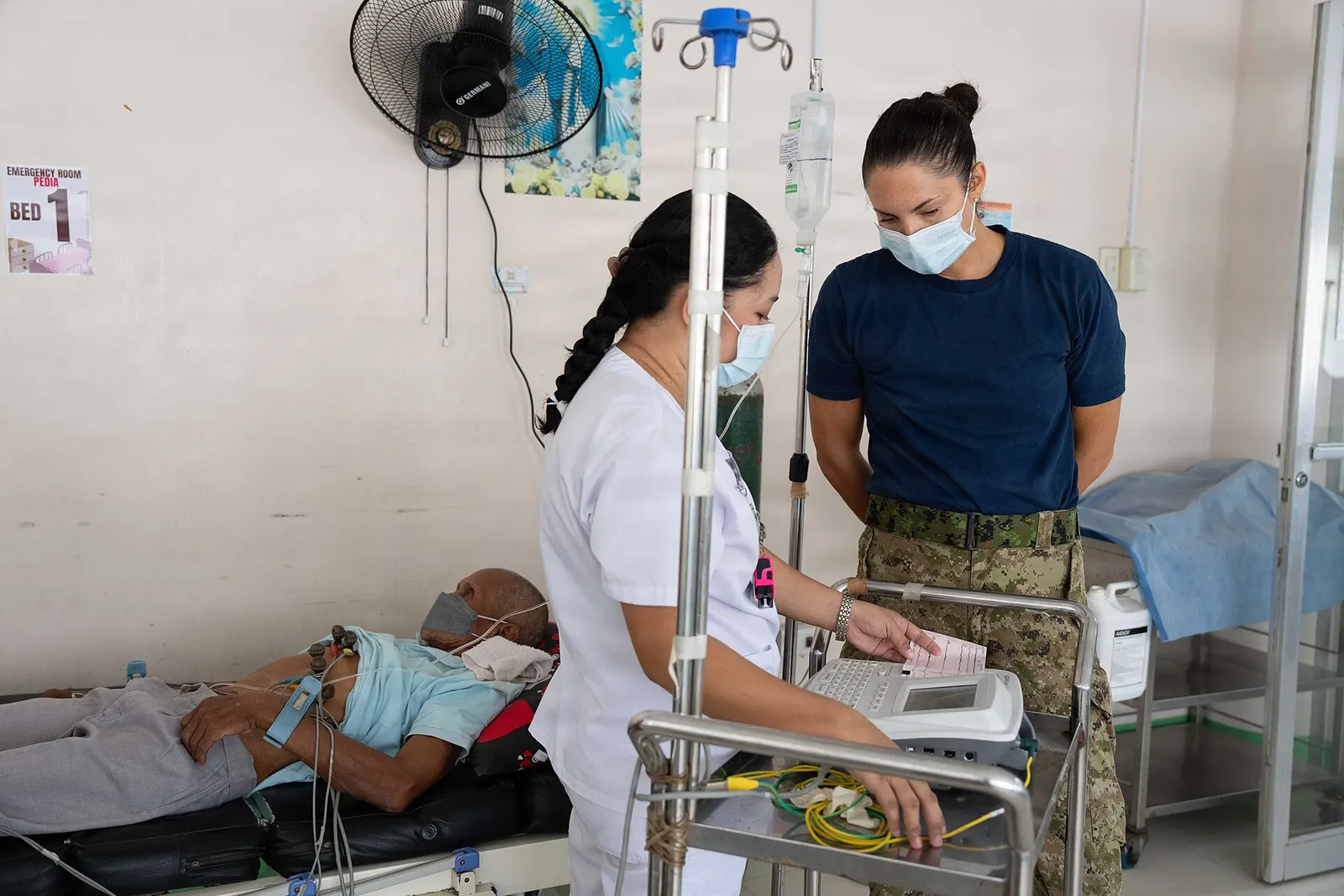
For a family in a remote barangay, a referral to a specialist can mean far more than an appointment. It may mean a long bus ride, a boat crossing, a night in an unfamiliar city, days of lost income, and the cost of food and lodging for both the patient and a companion, the bantay. These journeys are a familiar part of Philippine health care, and understanding why they happen helps explain some of the system's most persistent challenges.
Where specialists are
Medical specialists, such as cardiologists, oncologists, neurologists, and pediatric surgeons, tend to be concentrated in large cities and regional centers, where tertiary hospitals, diagnostic equipment, and training programs are located. Metro Manila, in particular, hosts many of the country's major specialty and teaching hospitals.
There are understandable reasons for this. Specialists need a steady flow of patients to maintain their skills, access to advanced equipment, and colleagues to consult. Hospitals that can afford imaging machines, operating theaters, and intensive care units are generally in places with larger populations and stronger finances. Doctors, like other professionals, also weigh income, family, and schooling for their children when deciding where to live and work.
Geography and cost
The Philippines is an archipelago, and geography magnifies the problem. A patient on a small island may need to cross the sea to reach a provincial hospital, then travel again to a regional or national facility for more complex care. Bad weather can cancel trips entirely, and rough roads can turn a short distance into a long day.
The financial burden often extends well beyond the hospital bill. Transportation, lodging, food, and lost wages can make a referral unaffordable even when treatment itself is partly covered by PhilHealth or government assistance. For many rural families, the cost of reaching care can rival the cost of the care itself. Some delay seeking help until a condition becomes severe, which can make treatment more difficult and more expensive.
For many rural families, the cost of reaching care can rival the cost of the care itself.
What is being tried
Several approaches aim to narrow the gap, each with trade-offs.
Strengthening provincial and regional hospitals so that more specialist services are available closer to home, which requires sustained investment in staff and equipment.
Organizing health care provider networks, a direction encouraged under the Universal Health Care Act, so that referrals between primary care, provincial, and higher-level hospitals are clearer and better coordinated.
Telemedicine, which lets local doctors consult specialists remotely and allows some follow-up visits without travel, though it depends on reliable internet and cannot replace hands-on procedures.
Scholarship and return-service arrangements that encourage health professionals to serve in underserved areas, though keeping them there over the long term remains a challenge.
Building up specialty services in regional hospitals, so that care for conditions such as cancer or heart disease is not concentrated in the capital.
What patients and families can consider
For families facing a referral, a few steps can ease the journey. Asking the referring doctor or rural health unit whether the needed service is available at a nearer facility can save a trip. Hospital social workers and Malasakit Centers in government hospitals can explain available financial assistance. Some local governments also provide transport support or temporary lodging for patients, and it is worth asking the barangay or municipal office before setting out.
Closing the distance between rural Filipinos and specialist care is not a single policy problem. It involves health financing, workforce planning, infrastructure, and transportation. Until those pieces come together, many patients will keep making the long trip, and the system's progress will be measured partly by how much shorter that road becomes.
Share this story
More stories
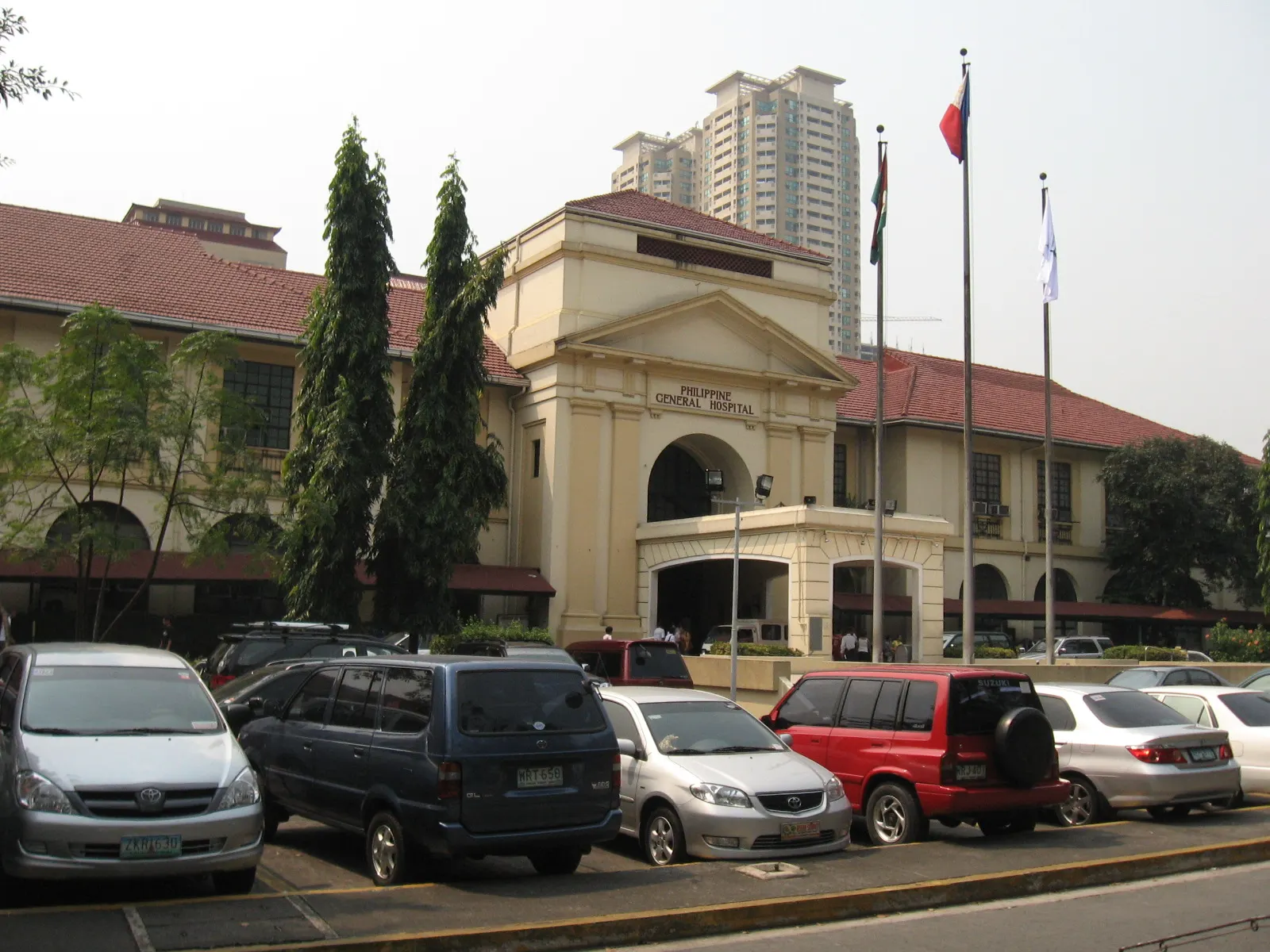
Admitted to the Hospital? How PhilHealth Coverage Works
A plain-language guide to case rates, eligibility, and the paperwork that can lower a hospital bill for Filipino families.
· 3 min read
The Neighbors Who Keep Communities Healthy: Barangay Health Workers
Barangay health workers link households to the health system, yet how they are trained, paid, and protected still varies widely.
· 3 min read
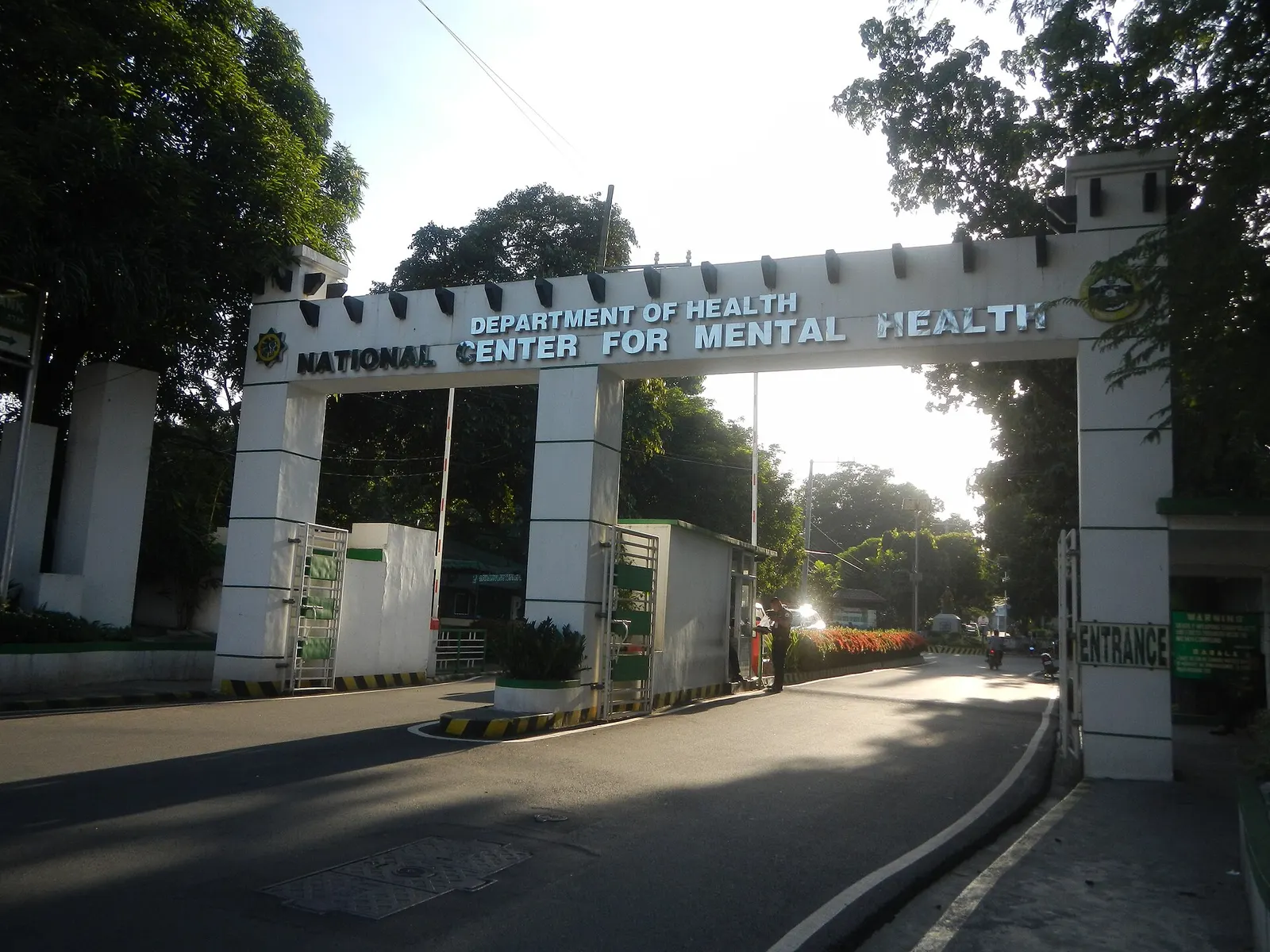
Where to Start: Finding Mental Health Support in the Philippines
From the barangay health center to hospitals and helplines, here is how Filipinos can take a first step toward mental health care.
· 3 min read