
Admitted to the Hospital? How PhilHealth Coverage Works
A plain-language guide to case rates, eligibility, and the paperwork that can lower a hospital bill for Filipino families.
By RapidPoll Health Desk · · 3 min read
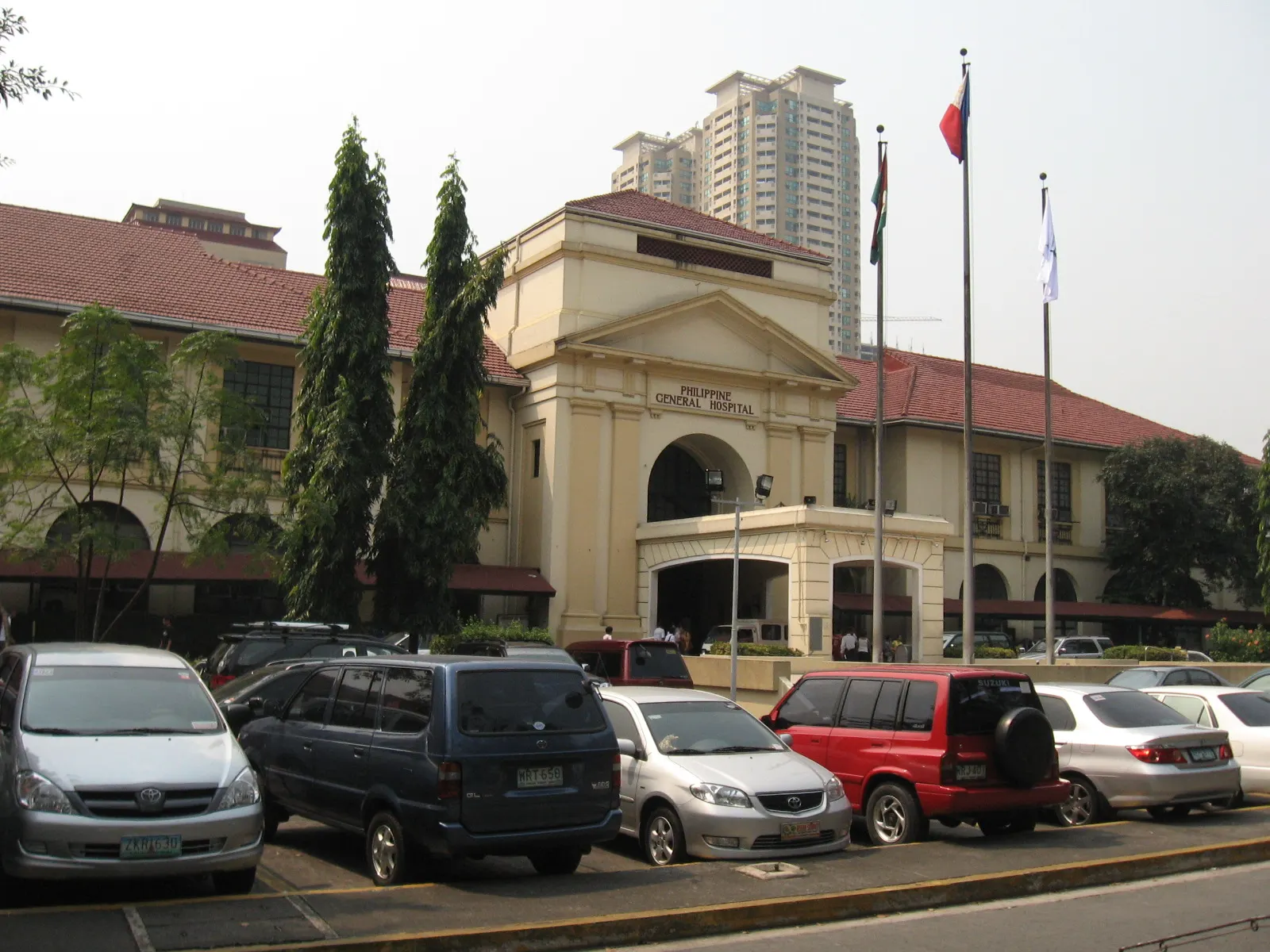
A hospital admission is stressful enough without worrying about the bill. For most Filipino families, the national health insurance program, PhilHealth, is the first line of financial protection when someone is confined. Understanding how it works before an emergency can make a difficult week a little easier.
Who is covered
PhilHealth, formally the Philippine Health Insurance Corporation, administers the National Health Insurance Program. Under the Universal Health Care Act, signed into law in 2019, all Filipinos are automatically included in the program. Members fall into broad categories. Direct contributors, such as employees, self-employed workers, and overseas Filipino workers, pay premiums. Indirect contributors, such as indigent families and senior citizens, have their premiums subsidized by the government.
Even with automatic inclusion, having a PhilHealth identification number and updated records helps. Families who have never registered, or whose details are outdated, may face more paperwork at the hospital at the worst possible moment.
How benefits are computed
For many hospital confinements, PhilHealth has used a case rate system. Instead of paying a share of each item on the bill, PhilHealth pays a set amount based on the patient's illness or procedure. That amount is meant to cover both hospital charges, such as room, medicines, and laboratory tests, and the professional fees of doctors.
In accredited hospitals, the benefit is deducted directly from the bill before the patient pays, so families usually do not need to pay first and claim later. The remaining balance, if any, is the patient's responsibility unless other assistance applies. Benefit packages and amounts have been revised over time, so the hospital's billing section or PhilHealth office is the best source for current figures.
Accreditation matters. PhilHealth benefits generally apply in facilities accredited by the program. Most government hospitals and many private hospitals are accredited, but it is worth confirming, especially for planned procedures.
Reducing what you pay
Several features can lower out-of-pocket costs.
No balance billing: in government hospitals, certain members, such as those classified as indigent or sponsored, who are admitted to basic or ward accommodations should not be charged beyond what PhilHealth covers.
Malasakit Centers: found in many government hospitals, these offices bring together assistance from different government agencies in one place, helping patients seek financial aid for remaining bills.
Ward accommodations: private rooms and the services of some private doctors can push a bill well above the PhilHealth benefit, so it helps to ask about the difference before choosing.
Asking questions early, before the bill is finalized, is often the simplest way to avoid surprises.
What to prepare
Hospitals typically ask for the PhilHealth number, a valid ID, and in some cases a member data record or proof of contribution. Relatives can often process these on the patient's behalf while the patient is being treated. Asking questions early, before the bill is finalized, is often the simplest way to avoid surprises. A family member can ask the billing section how much PhilHealth is expected to cover and what other help is available.
PhilHealth also covers more than inpatient care. Its primary care benefits and packages for specific conditions are designed to catch health problems before they require admission. Registering with an accredited primary care provider and actually using it can mean fewer emergencies later.
Coverage rules can change, and every case is different. When in doubt, the PhilHealth office inside the hospital, the agency's official channels, or a hospital social worker can explain what applies to a particular stay. For questions about the treatment itself, the attending doctor or nurse remains the right person to ask.
Share this story
More stories

The Neighbors Who Keep Communities Healthy: Barangay Health Workers
Barangay health workers link households to the health system, yet how they are trained, paid, and protected still varies widely.
· 3 min read
The Long Road to a Specialist: Why Rural Patients Travel for Care
Distance, cost, and the concentration of specialists in cities shape how Filipinos outside urban centers get advanced treatment.
· 3 min read
Where to Start: Finding Mental Health Support in the Philippines
From the barangay health center to hospitals and helplines, here is how Filipinos can take a first step toward mental health care.
· 3 min read