
Where to Start: Finding Mental Health Support in the Philippines
From the barangay health center to hospitals and helplines, here is how Filipinos can take a first step toward mental health care.
By RapidPoll Health Desk · · 3 min read
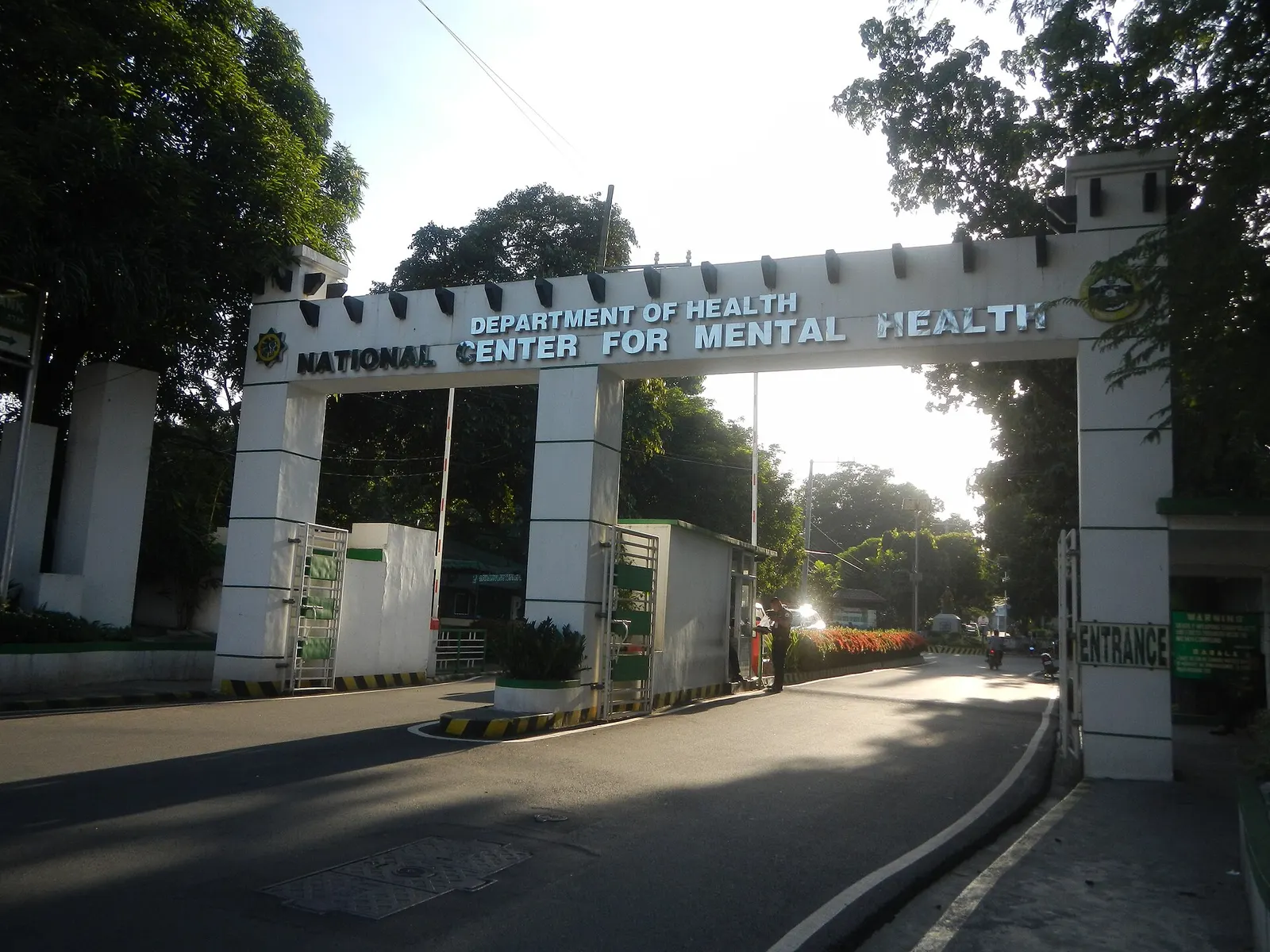
Talking about mental health has become more common in the Philippines, but knowing where to go for help can still feel unclear. Many people are unsure whether what they are feeling is serious enough to seek care, worry about what family or neighbors might think, or simply do not know which door to knock on first. This guide explains how mental health services are generally organized and offers some starting points.
The legal foundation
The Philippine Mental Health Act, signed into law in 2018, established a national framework for mental health care. Among its key principles are that mental health services should be integrated into the general health system, including at the community level, and that people with mental health conditions have rights to dignity, informed consent, and confidentiality. The law also emphasized promoting mental health in schools and workplaces.
In practice, the availability of services still varies widely. Larger cities tend to have more psychiatrists, psychologists, and dedicated facilities, while many rural areas rely on general health workers who may have received some mental health training.
Possible first steps
There is no single correct entry point. Depending on a person's situation, location, and resources, any of the following may be a reasonable place to start.
The barangay health station or rural health unit: health workers can listen, provide a basic assessment, and refer to doctors or specialists. This is often the most accessible and affordable option.
A general physician: a family or clinic doctor can check whether physical health issues are contributing to how a person feels, and can make referrals.
Hospital outpatient services: many government and private hospitals offer outpatient psychiatry or psychology consultations.
School guidance offices and workplace programs: students can approach guidance counselors, and some employers offer mental health support or referrals.
Crisis hotlines: the National Center for Mental Health operates a crisis hotline, and the Department of Health's official channels list current helpline numbers.
Understanding the different professionals
The terms can be confusing. Psychiatrists are medical doctors who can diagnose conditions and prescribe medication. Psychologists, including licensed clinical psychologists, provide assessment and talk therapy but do not prescribe medicine. Guidance counselors work in schools, help with personal, academic, and career concerns, and can refer students for further care. Psychiatric nurses, social workers, and trained community health workers also play important roles.
A person does not need to know which professional they need before seeking help. Starting anywhere in the system is better than not starting at all, and health workers can guide the next step.
Starting anywhere in the system is better than not starting at all, and health workers can guide the next step.
Supporting someone else
Often, it is a family member or friend who first notices that something is wrong. Changes in sleep, appetite, mood, or interest in usual activities, withdrawing from others, or talking about feeling hopeless can be signs that someone is struggling. Listening without judgment, avoiding dismissive labels like "maarte" or "mahina ang loob," and gently encouraging them to talk to a health worker can make a real difference.
Stigma remains one of the biggest barriers. Many Filipinos grew up hearing that personal problems should be kept within the family or endured quietly. Recognizing that mental health is part of overall health, just like blood pressure or blood sugar, helps make seeking care feel ordinary rather than shameful.
If someone is in immediate danger or thinking about harming themselves, contact emergency services or a crisis hotline, or go to the nearest hospital emergency room right away. For everything else, a conversation with a trusted health worker is a good first step.
Share this story
More stories

Admitted to the Hospital? How PhilHealth Coverage Works
A plain-language guide to case rates, eligibility, and the paperwork that can lower a hospital bill for Filipino families.
· 3 min read

The Neighbors Who Keep Communities Healthy: Barangay Health Workers
Barangay health workers link households to the health system, yet how they are trained, paid, and protected still varies widely.
· 3 min read
The Long Road to a Specialist: Why Rural Patients Travel for Care
Distance, cost, and the concentration of specialists in cities shape how Filipinos outside urban centers get advanced treatment.
· 3 min read