
The Neighbors Who Keep Communities Healthy: Barangay Health Workers
Barangay health workers link households to the health system, yet how they are trained, paid, and protected still varies widely.
By RapidPoll Health Desk · · 3 min read
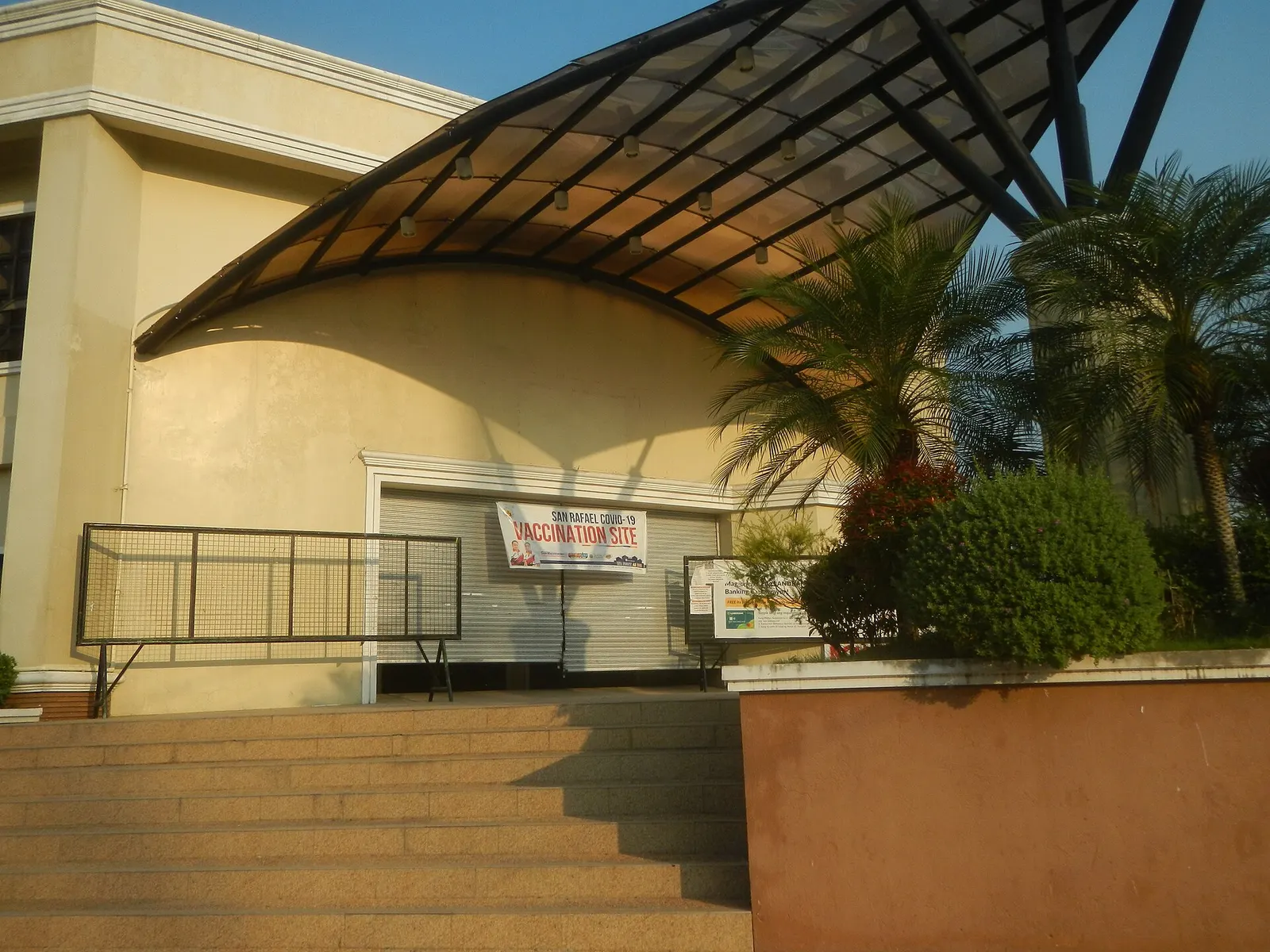
In many barangays, the most familiar face in public health is not a doctor or a nurse. It is a neighbor who knows which households have newborns, which elderly residents need blood pressure checks, and which children have missed their vaccines. Barangay health workers, often called BHWs, are a cornerstone of community health in the Philippines.
Who they are and what they do
Barangay health workers are typically community members who have received basic training in primary health care. Many are women, and many have served their communities for years. They work closely with the barangay health station and the municipal or city rural health unit, which is usually staffed by a doctor, nurses, midwives, and other health personnel.
Their tasks vary from place to place, but commonly include:
Visiting households to check on pregnant women, newborns, children, and older adults.
Helping with immunization drives and reminding families of vaccination schedules.
Weighing children and supporting nutrition programs.
Sharing health information on hygiene, family planning, and disease prevention.
Referring residents to the health center or hospital when they need care.
Assisting during outbreaks, disasters, and community health campaigns.
Because they live in the communities they serve, BHWs can reach people who might never visit a clinic on their own. They understand local languages, customs, and concerns, which builds a kind of trust that outside health workers may take years to earn.
A role recognized in law, with long-standing concerns
The Barangay Health Workers' Benefits and Incentives Act of 1995 recognized BHWs and provided for certain benefits and incentives. Even so, many BHWs have long been described as volunteers, and the support they receive often depends on the resources and priorities of their local government. Honoraria, training, and protective equipment can differ significantly from one municipality to the next.
This has led to recurring discussions about whether BHWs should receive more standardized compensation, clearer career paths, and stronger protections. Supporters of reform argue that treating the work as mainly voluntary is no longer fair or sustainable, given how much the system depends on it. Others point to the budget implications for local governments, especially smaller and poorer ones that already struggle to fund basic services.
Why it matters under universal health care
The Universal Health Care Act places strong emphasis on primary care and on organizing health services into networks, so that patients move smoothly from community-level care to hospitals when needed. BHWs sit at the very first step of that chain. When they are well trained and supported, problems such as high blood pressure, malnutrition, or missed prenatal checkups can be caught early, before they become emergencies that are costly for families and the system alike.
When they are overstretched, under-equipped, or unsure of their role, that first step weakens. The health system relies on barangay health workers so heavily that how they are supported is a health question, not only a budget question.
The health system relies on barangay health workers so heavily that how they are supported is a health question, not only a budget question.
What communities can watch
Residents can pay attention to a few practical markers: whether their barangay health station is regularly open and staffed, whether BHWs receive training and supplies, and whether local budgets reflect the value of their work. Getting to know the BHW in one's own purok is also a simple way to stay connected to services such as immunization, nutrition monitoring, and maternal care, and to know who to turn to when a health worker's guidance is needed.
Share this story
More stories
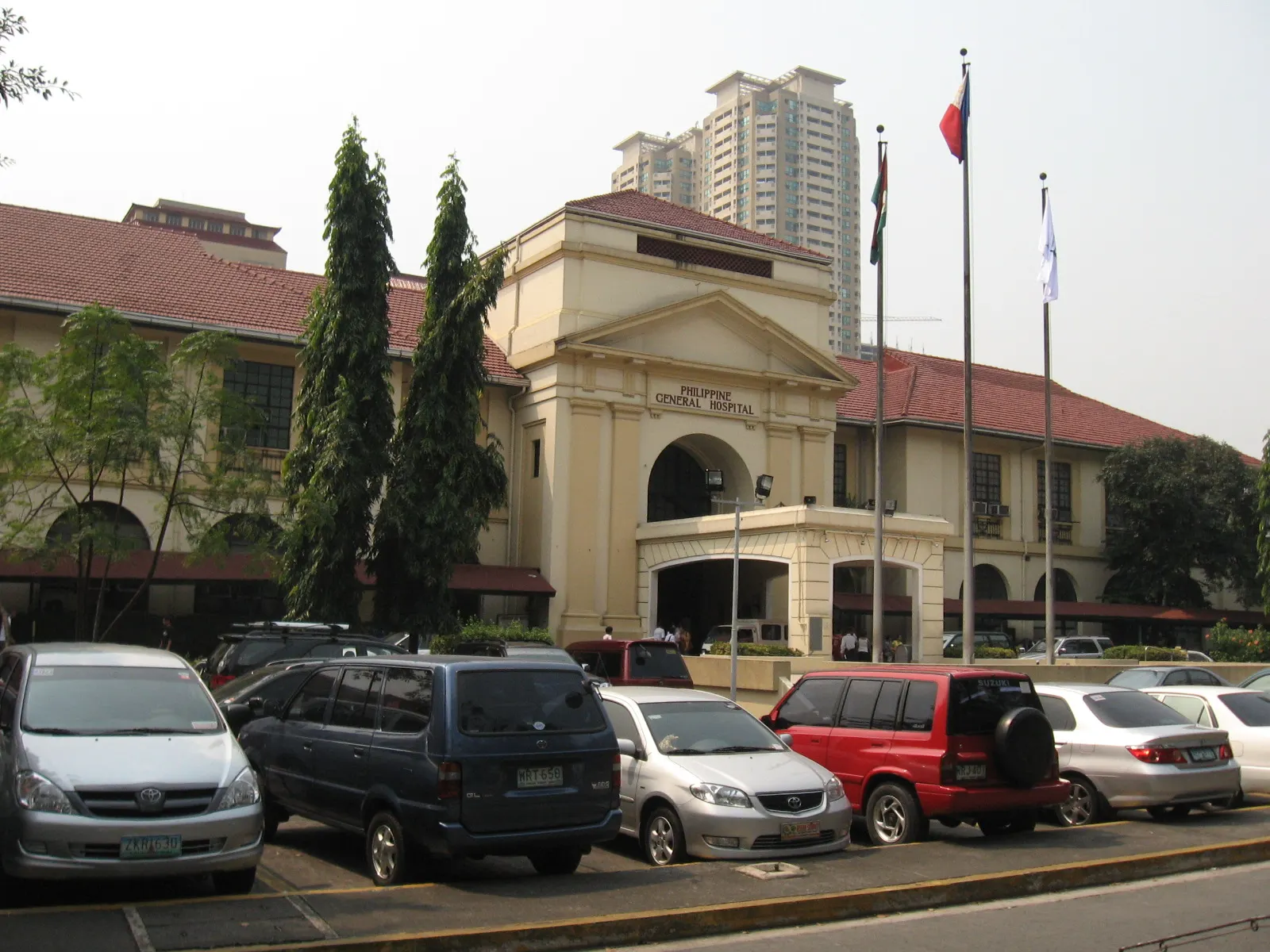
Admitted to the Hospital? How PhilHealth Coverage Works
A plain-language guide to case rates, eligibility, and the paperwork that can lower a hospital bill for Filipino families.
· 3 min read
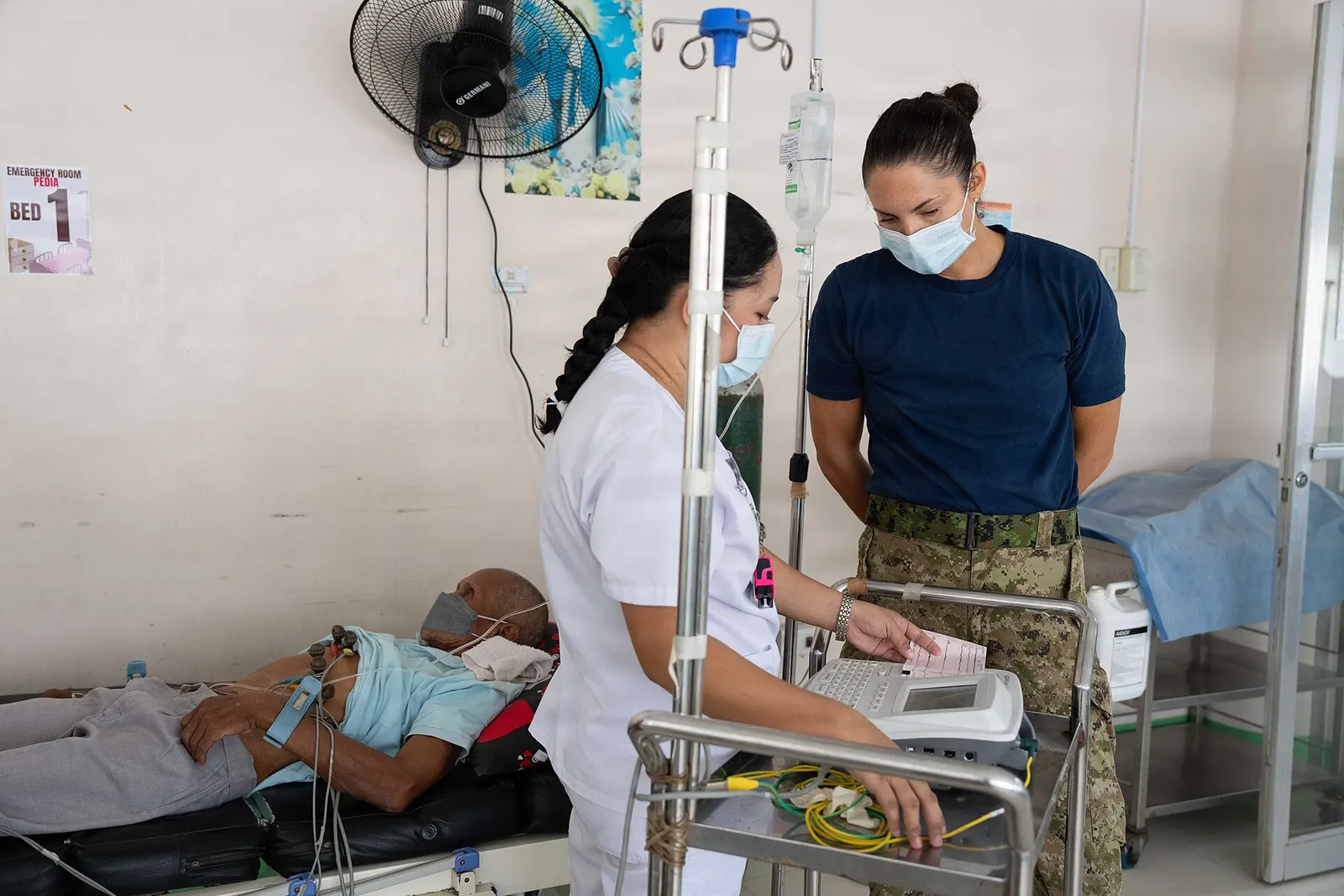
The Long Road to a Specialist: Why Rural Patients Travel for Care
Distance, cost, and the concentration of specialists in cities shape how Filipinos outside urban centers get advanced treatment.
· 3 min read
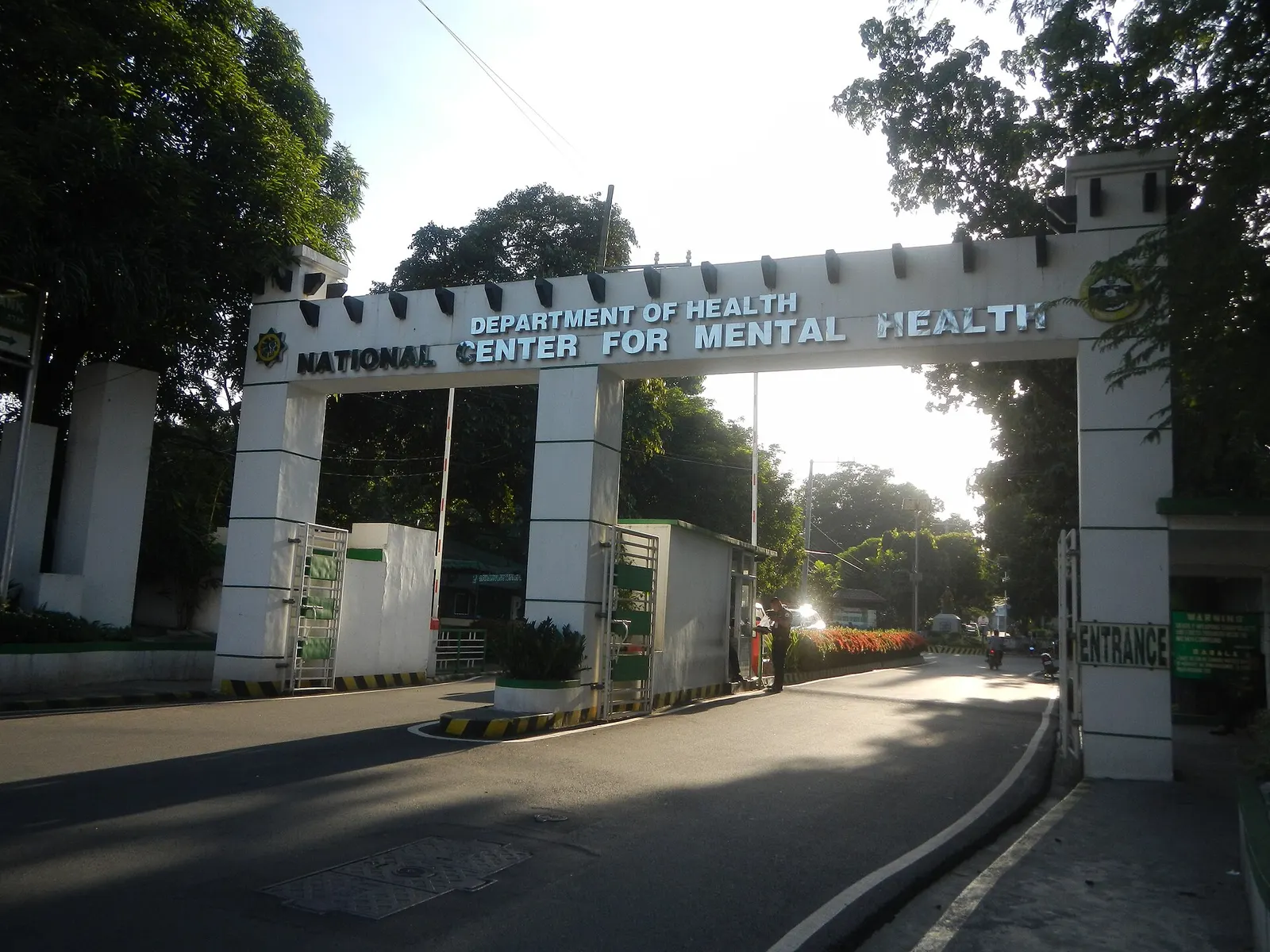
Where to Start: Finding Mental Health Support in the Philippines
From the barangay health center to hospitals and helplines, here is how Filipinos can take a first step toward mental health care.
· 3 min read