
Why Brownouts Happen: Inside the Daily Balancing Act of the Power Grid
Electricity must be produced at the very moment it is used, and when supply and demand fall out of step, the lights can go out.
By RapidPoll Environment Desk · · 3 min read
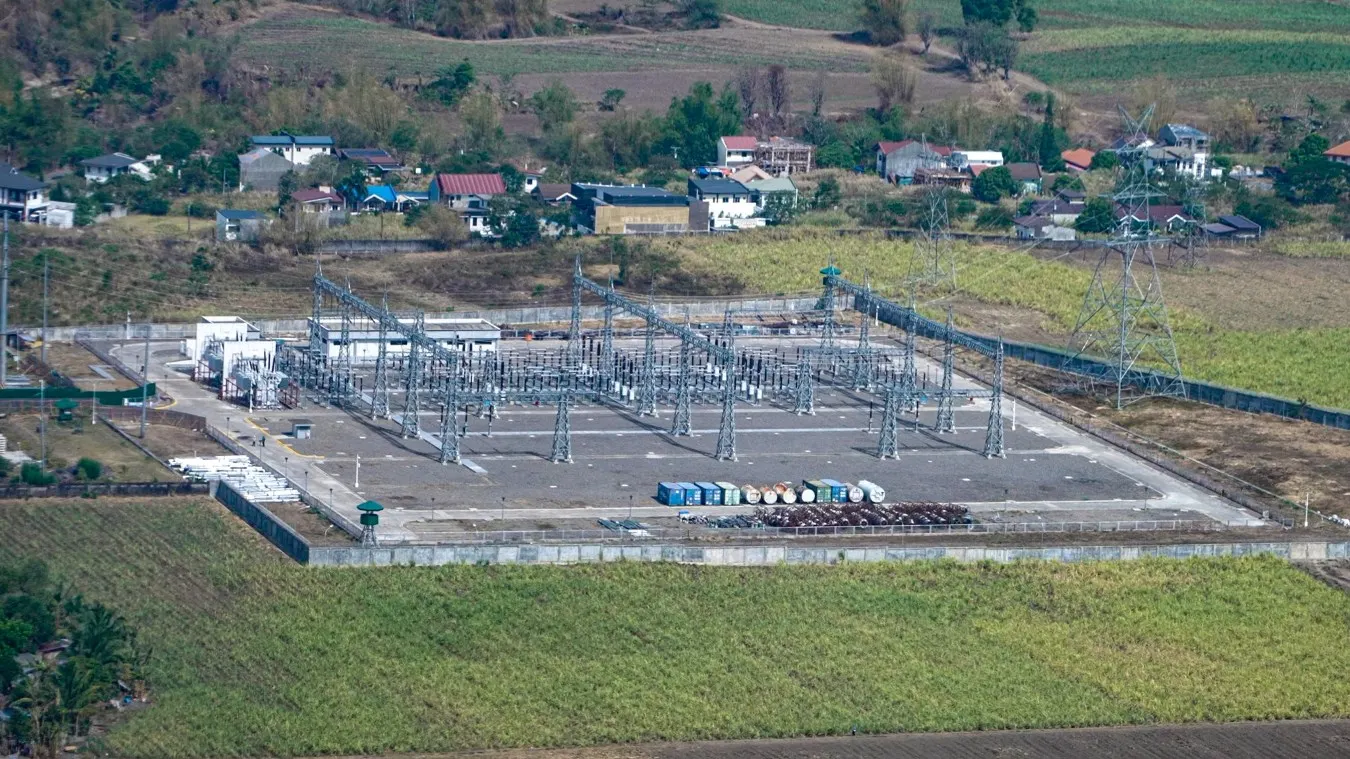
Few things disrupt daily life as quickly as a brownout. Electric fans stop, refrigerators warm, small businesses pause and work-from-home schedules unravel. Outages are often blamed on a single cause, but the reasons behind them vary, and understanding how the grid works helps explain why some interruptions are avoidable and others are not.
Supply must match demand, every second
The defining challenge of an electricity system is that large amounts of power still cannot be stored cheaply. Electricity generated by power plants must be consumed almost at the same moment. Grid operators therefore continuously adjust the output of power plants to follow demand as it rises in the afternoon heat and falls late at night. If demand outruns available supply, the system becomes unstable, and operators may have to cut power to some areas deliberately to protect the rest of the grid.
In the Philippines, the transmission system is operated by the National Grid Corporation of the Philippines. The country has three main grids, for Luzon, the Visayas and Mindanao, linked by a limited number of interconnections. Operators keep reserve capacity on standby to cover sudden losses. When reserves run thin, the grid operator issues a yellow alert as a warning; a red alert signals that supply is not enough to meet demand and reserve requirements, raising the likelihood of rotational brownouts.
Not all outages are the same
The brownouts households experience can come from very different parts of the system.
Supply shortfalls: when several power plants are offline at once, through scheduled maintenance or unexpected breakdowns, and demand is high, there may not be enough generation.
Transmission problems: damage to high-voltage lines or substations, such as from typhoons, can cut off supply to whole provinces even if power plants are running.
Distribution faults: local issues such as a damaged transformer, a fallen pole or a tree branch on a line can cause outages limited to a barangay or a street.
Scheduled interruptions: utilities sometimes cut power for maintenance or upgrades, usually announcing it ahead of time.
This distinction matters. A shortage of generation is a system-wide issue tied to planning, investment and plant reliability. A local fault is a matter of network maintenance and repair speed. Lumping them together can obscure where improvements are needed.
Lumping them together can obscure where improvements are needed.
Why the hot months are a test
Demand tends to peak during the hottest months, when air conditioners and fans run for longer hours. At the same time, hydropower plants may produce less if reservoirs are low, especially during dry spells linked to El Niño. If a few large plants trip offline during this period, a tight grid can quickly tip into alert status. This is why energy officials watch the summer months closely and encourage plants to schedule maintenance outside them.
The longer-term picture
Reducing brownouts over time involves several pieces working together: adding enough generating capacity ahead of demand growth, maintaining older plants, strengthening transmission lines and the links between island grids, and modernizing local distribution networks. As more solar and wind power join the grid, operators also need flexible resources, such as battery storage and plants that can ramp up quickly, to cover the hours when the sun sets or the wind drops.
Consumers play a role too. Easing the use of heavy appliances during peak hours, particularly when the grid operator has raised an alert, can help reduce strain. Some large consumers take part in arrangements where they reduce load or switch to their own generators when supply is tight, which can help avoid wider rotational interruptions.
A brownout is the visible end of a complex chain. Knowing which link failed is the first step toward judging whether it was a matter of bad luck, bad weather, or something that better planning could have prevented.
Share this story
More stories
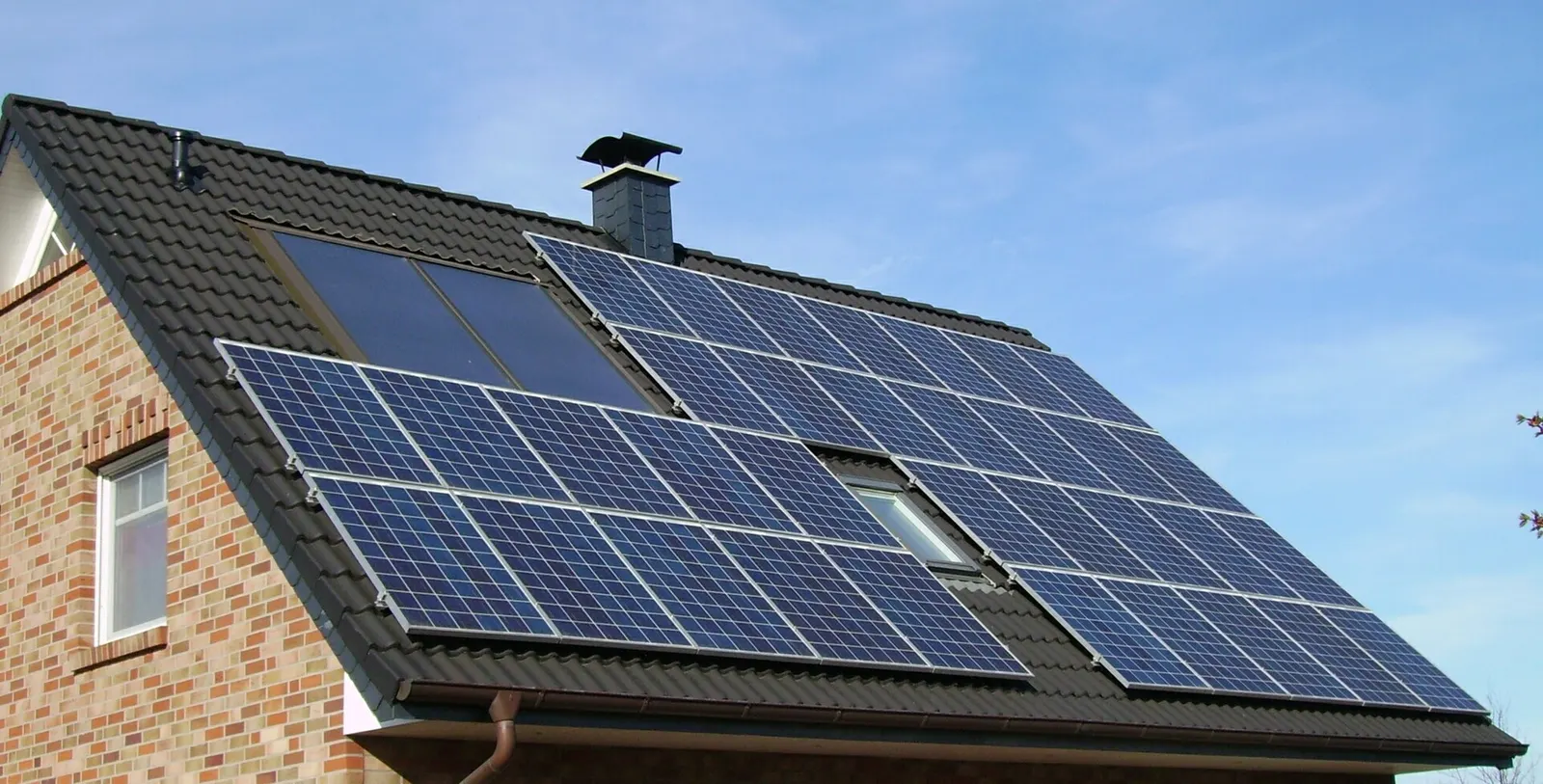
Rooftop Solar for Filipino Homes: What to Weigh Before You Install
Panels can trim electricity bills, but the value depends on daytime use, roof conditions, financing and grid connection.
· 3 min read
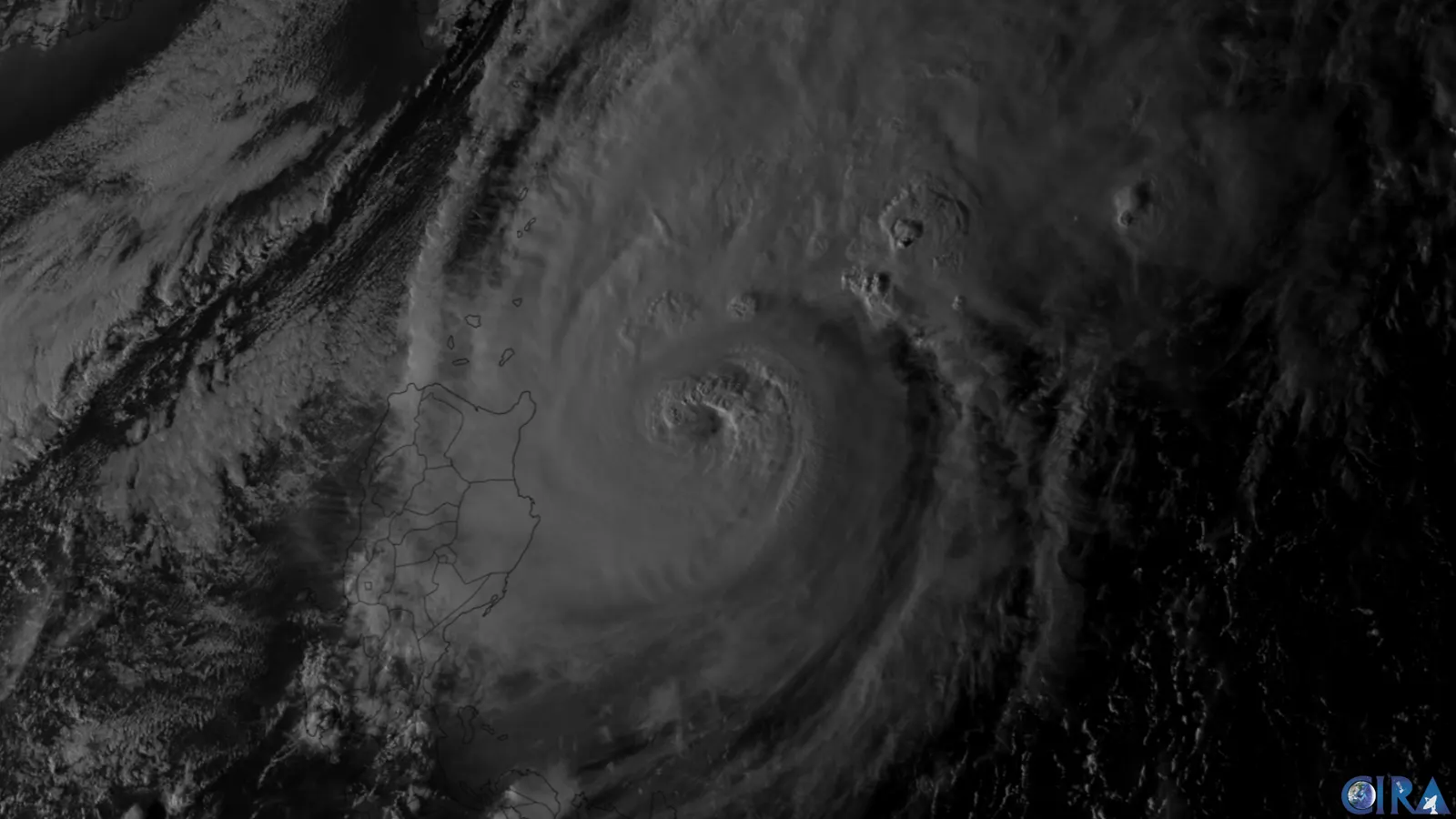
Before the Storm: A Practical Typhoon Preparedness Guide for Households
Preparing early, knowing the warning system and planning for the days after a typhoon can protect both lives and household finances.
· 3 min read
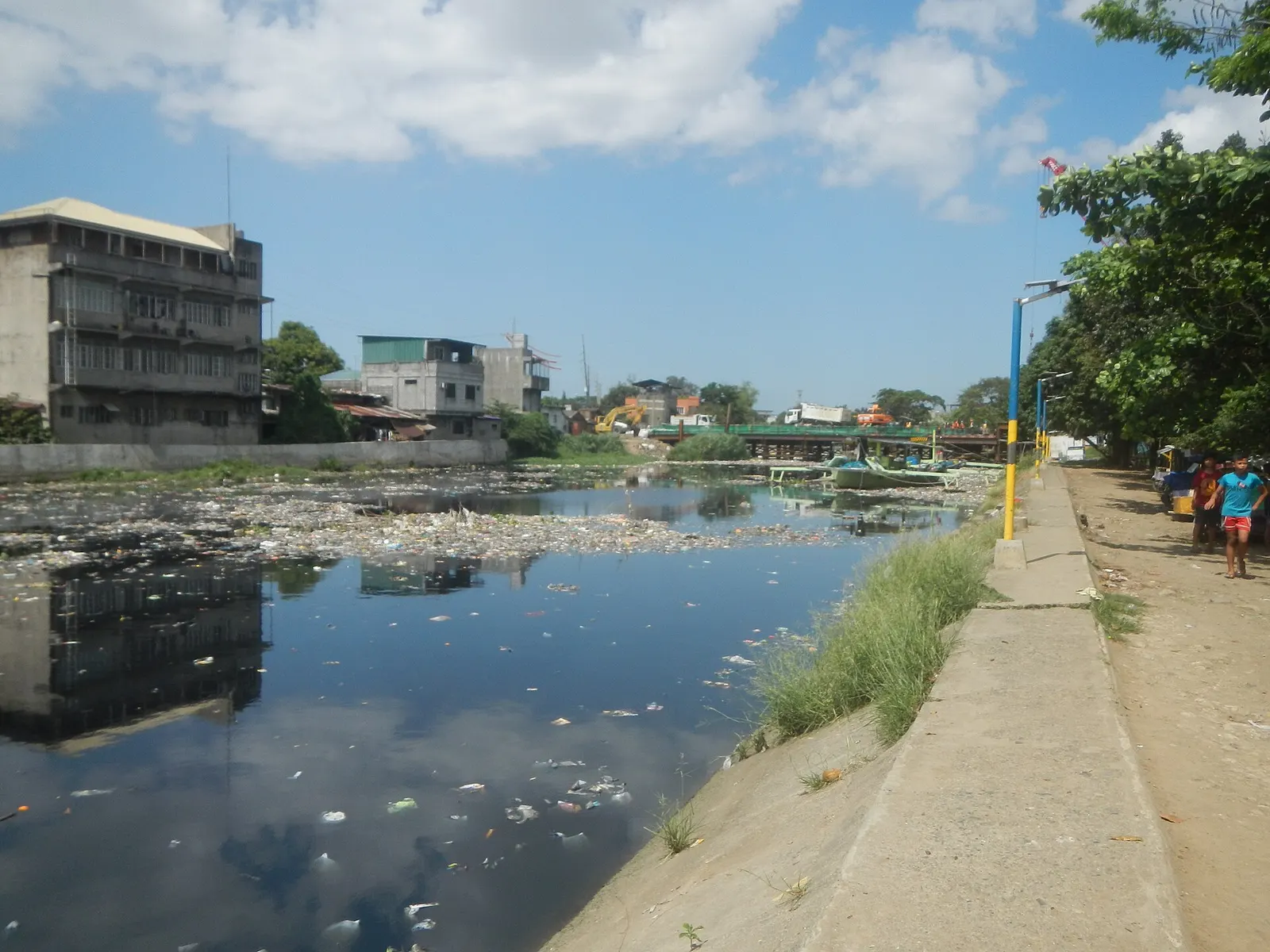
The Sachet Dilemma: Convenience, Affordability and a Mounting Waste Problem
Single-use packets make everyday goods affordable, but the waste they leave is hard to collect, harder to recycle and easy to see.
· 3 min read