
Before the Storm: A Practical Typhoon Preparedness Guide for Households
Preparing early, knowing the warning system and planning for the days after a typhoon can protect both lives and household finances.
By RapidPoll Environment Desk · · 3 min read
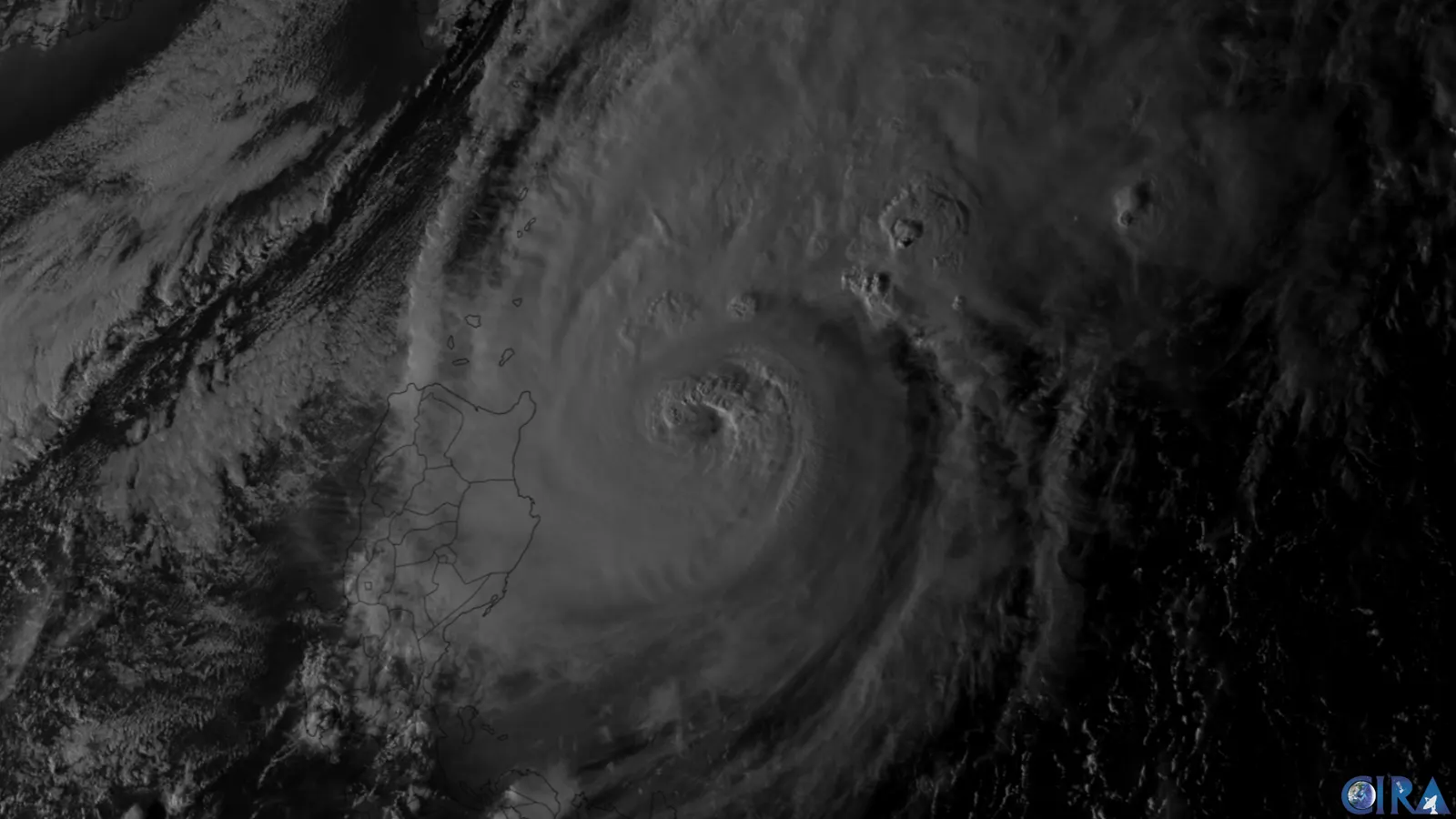
The Philippines sits in the typhoon belt, and tropical cyclones are a regular part of life for much of the country. Many families have lived through strong storms and know the routine of stocking up and securing the house. Still, preparation is often left until the last day, when stores are crowded and choices are limited. Planning ahead, in calm weather, makes a significant difference.
Understand the warnings
PAGASA, the national weather agency, issues tropical cyclone bulletins and raises Tropical Cyclone Wind Signals for affected areas. The higher the signal number, the stronger the winds expected and the less time remains to prepare. Rainfall and storm surge warnings are issued separately and are just as important, because flooding and surge, not wind alone, often cause the most harm.
Local government units, through their disaster risk reduction and management offices, decide on evacuations, class suspensions and other measures. Knowing how your barangay communicates, whether through text alerts, social media pages, public address systems or house-to-house notices, helps ensure you receive instructions in time.
Prepare a go-bag and home supplies
A go-bag is a ready-packed bag that can be grabbed quickly if the household needs to evacuate. Each family's needs differ, but common items include:
Drinking water and food that does not need cooking, such as canned goods and biscuits, plus a can opener.
A flashlight, extra batteries, a power bank and a battery-powered radio.
Prescription medicines, a basic first-aid kit and hygiene items.
Copies of important documents, such as IDs and property papers, sealed in a waterproof bag.
Some cash in small bills, since ATMs and digital payments may not work during outages.
Clothes, a blanket and essentials for infants, older relatives or pets.
At home, it helps to store enough water and food for several days, charge phones and power banks before the storm arrives, and keep emergency lights in a known spot. If candles are used, they need constant care to avoid fires.
Planning ahead, in calm weather, makes a significant difference.
Secure the house and know when to leave
Before the winds pick up, check the roof for loose sheets and secure them, trim branches that could fall on the house or power lines, and bring in or tie down outdoor items that could be blown around. Move valuables, appliances and documents to higher shelves if flooding is possible. Unplug appliances and know how to switch off the main electrical supply if water starts entering the house.
If authorities call for evacuation, especially in low-lying, coastal or landslide-prone areas, leave early. Waiting until floodwaters rise makes evacuation more dangerous for families and rescuers alike. Agree beforehand on where the family will go and how members will contact each other if separated.
Protecting finances after the storm
The costs of a typhoon often continue well after the skies clear. Repairs, spoiled food, lost workdays and temporarily higher prices for some goods can strain household budgets. A modest emergency fund, even one built slowly, can ease that pressure. Photographing the house and major belongings before the season and keeping receipts can help with insurance claims or assistance applications. Families who rely on daily income may want to find out ahead of time whether their community or employer offers support during calamities.
Typhoons cannot be stopped, but their impact on a household can be reduced. Preparing early turns a frightening event into one the family has already rehearsed.
Share this story
More stories
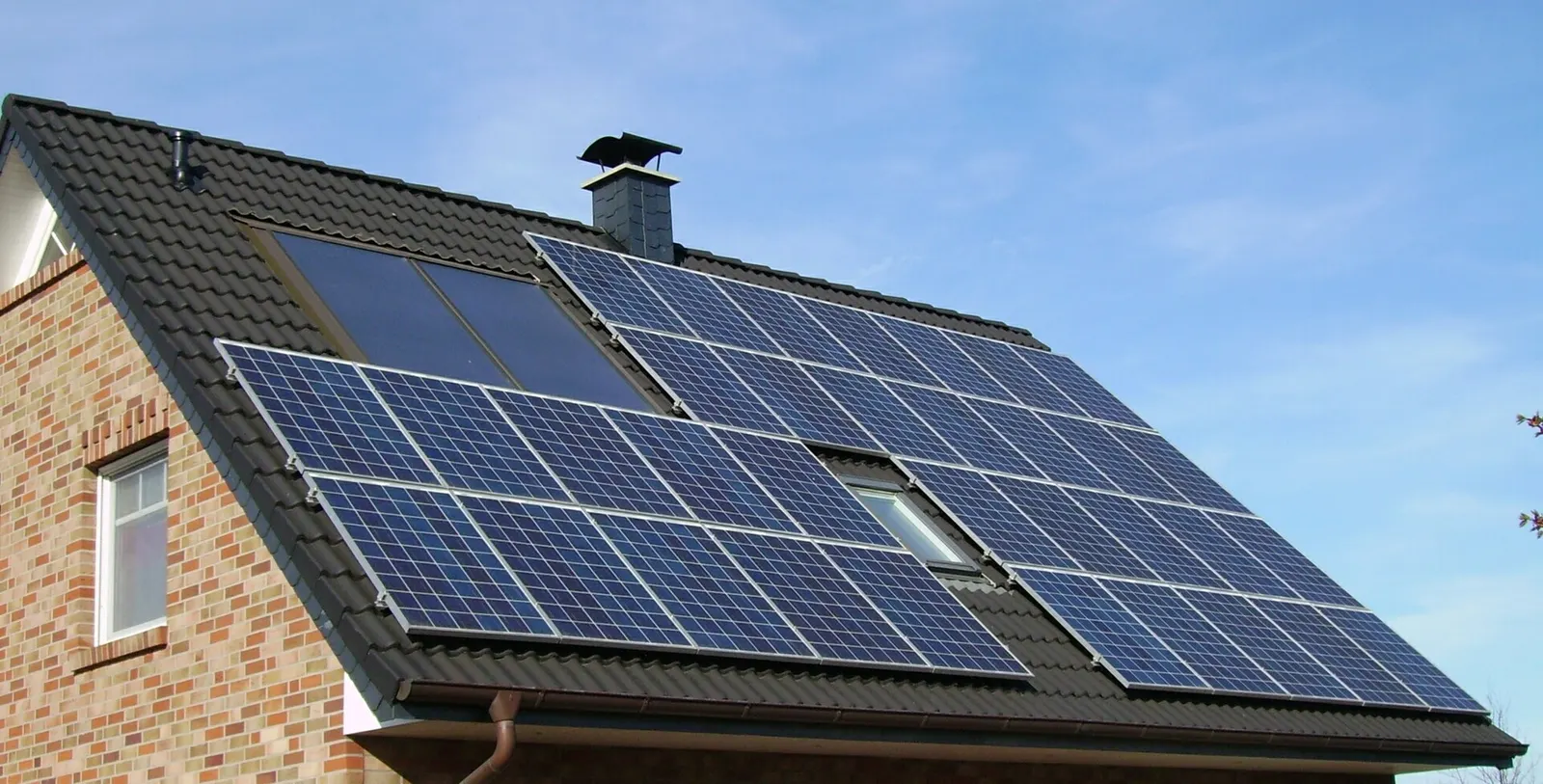
Rooftop Solar for Filipino Homes: What to Weigh Before You Install
Panels can trim electricity bills, but the value depends on daytime use, roof conditions, financing and grid connection.
· 3 min read
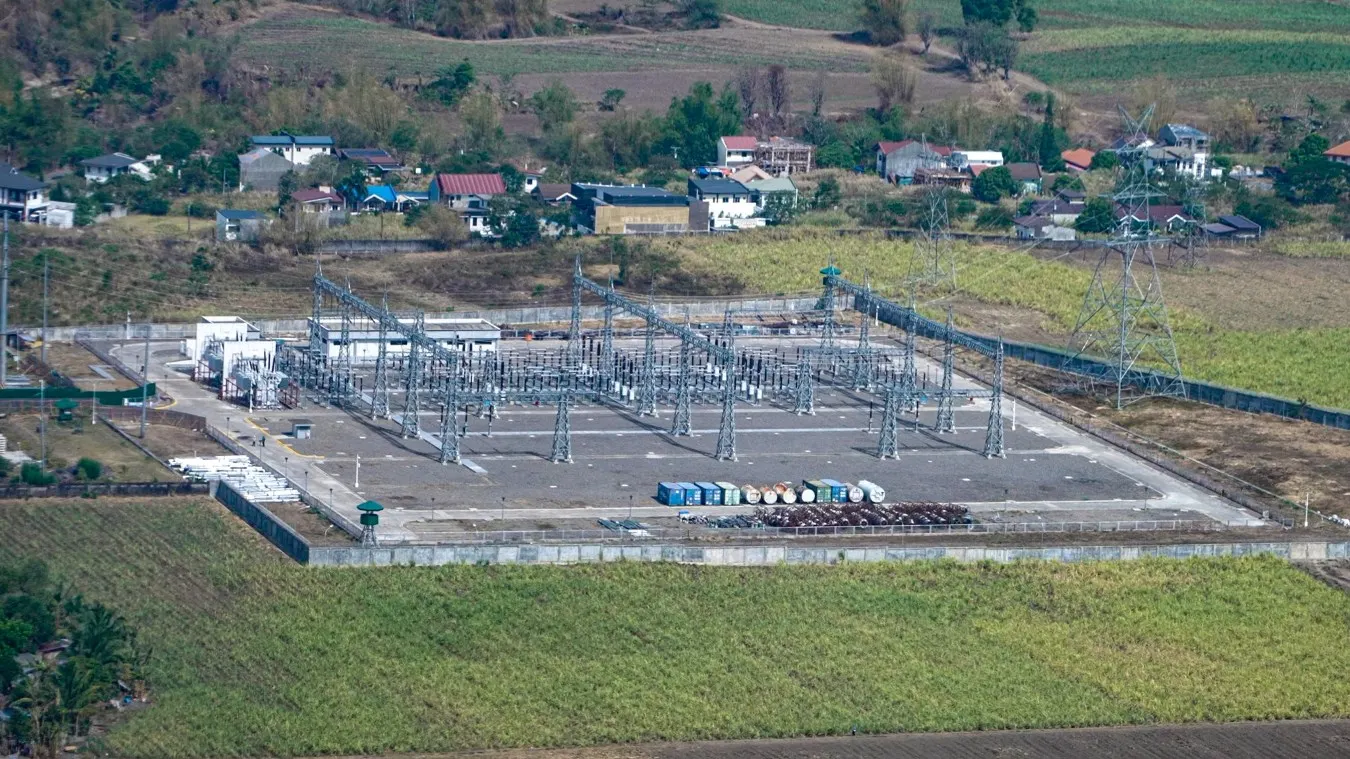
Why Brownouts Happen: Inside the Daily Balancing Act of the Power Grid
Electricity must be produced at the very moment it is used, and when supply and demand fall out of step, the lights can go out.
· 3 min read
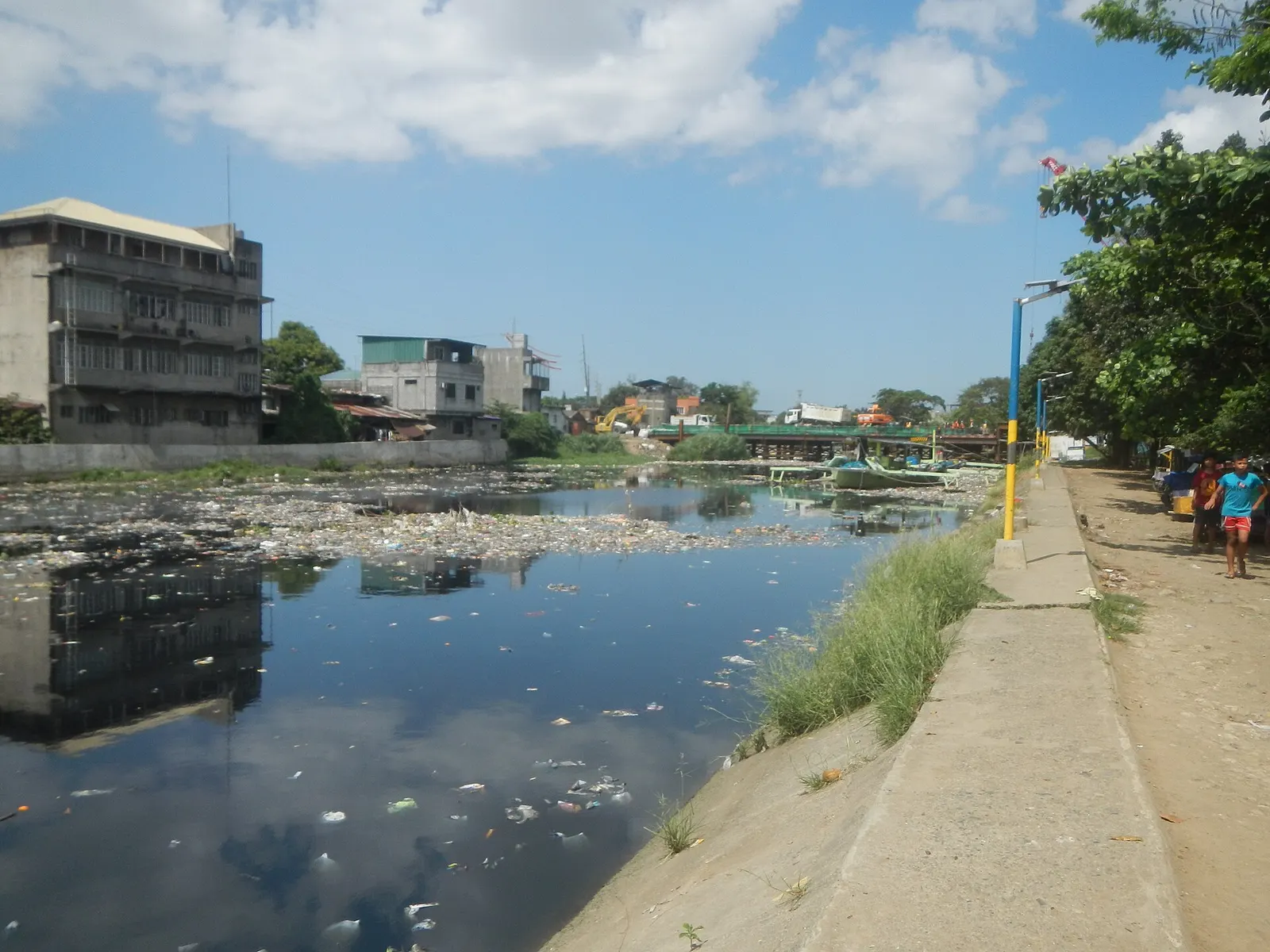
The Sachet Dilemma: Convenience, Affordability and a Mounting Waste Problem
Single-use packets make everyday goods affordable, but the waste they leave is hard to collect, harder to recycle and easy to see.
· 3 min read