
The Sachet Dilemma: Convenience, Affordability and a Mounting Waste Problem
Single-use packets make everyday goods affordable, but the waste they leave is hard to collect, harder to recycle and easy to see.
By RapidPoll Environment Desk · · 3 min read
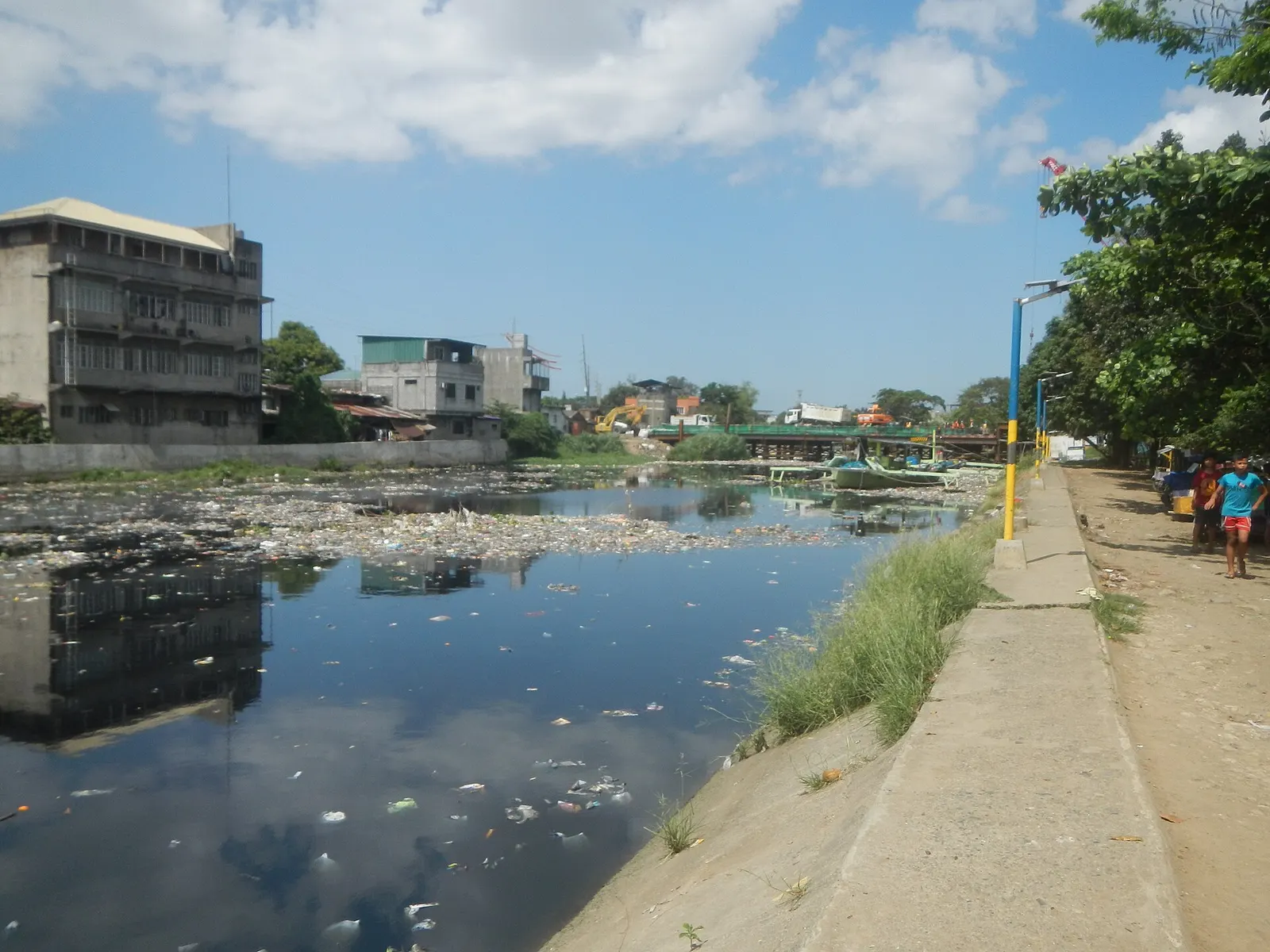
Sachets are woven into daily life in the Philippines. Shampoo, coffee mix, toothpaste, seasoning and detergent are sold in small single-use packets at sari-sari stores everywhere. They allow families to buy exactly what they need for a day or two, which matters when income comes in small and irregular amounts. But the same packets that make products accessible also leave behind a stubborn form of waste.
Why sachets are so hard to deal with
Many sachets are made from several layers of different materials, often plastic films combined with a thin layer of aluminum, bonded together to protect the product and extend shelf life. That layered structure is precisely what makes them difficult to recycle, since separating the materials is complicated and costly. Their small size and light weight also mean they have little value to waste pickers and junk shops, who tend to collect items like plastic bottles and cardboard that can be sold.
As a result, sachets frequently end up in dumpsites, burned, or scattered in streets and canals. In cities prone to flooding, discarded plastics can clog drainage and esteros, worsening the floods that follow heavy rain. Plastic waste washing into rivers and the sea also harms marine life and the coastal communities that depend on fishing and tourism.
But the same packets that make products accessible also leave behind a stubborn form of waste.
The affordability side of the equation
Calls to simply ban sachets run into a real dilemma. For many low-income households, a single sachet is the only affordable way to buy a product at all. Removing small packs without workable alternatives could make basic hygiene and household goods harder to obtain for those with the least money. Any solution has to keep products accessible while reducing the waste.
There is also the question of who should bear the cost of cleaning up. For years, managing packaging waste fell mostly on local governments and households. The Ecological Solid Waste Management Act of 2000 requires waste segregation and assigns responsibilities to local governments, but enforcement and facilities vary widely from place to place. More recently, the country adopted an extended producer responsibility law, which requires large companies to take responsibility for recovering or offsetting the plastic packaging they put on the market.
Approaches being tried
Refill stations, where customers bring their own containers to buy shampoo, detergent or cooking oil in the amount needed.
Packaging redesign toward single-material plastics that are easier to recycle.
Collection and exchange programs that give sachets some value, sometimes trading them for goods or points.
Co-processing, where collected plastic waste is used as fuel in cement kilns, an approach some see as a stopgap and others criticize.
Local ordinances regulating single-use plastics in shops and markets.
Each option has limits. Refill systems depend on convenience and price competitiveness. Redesigned packaging only helps if collection and recycling infrastructure exists. Burning waste for fuel raises concerns about emissions.
What to watch
The key questions ahead are whether producer responsibility rules lead to real recovery of hard-to-recycle packaging, whether refill and reuse models can match the price and convenience of sachets, and whether local governments receive the support needed to run proper segregation and collection systems.
Households can contribute by segregating waste and choosing refill options where they are practical, but the sachet problem is largely systemic. It was built into how products are made, packaged and sold, and lasting solutions will need to come from the same place.
Share this story
More stories
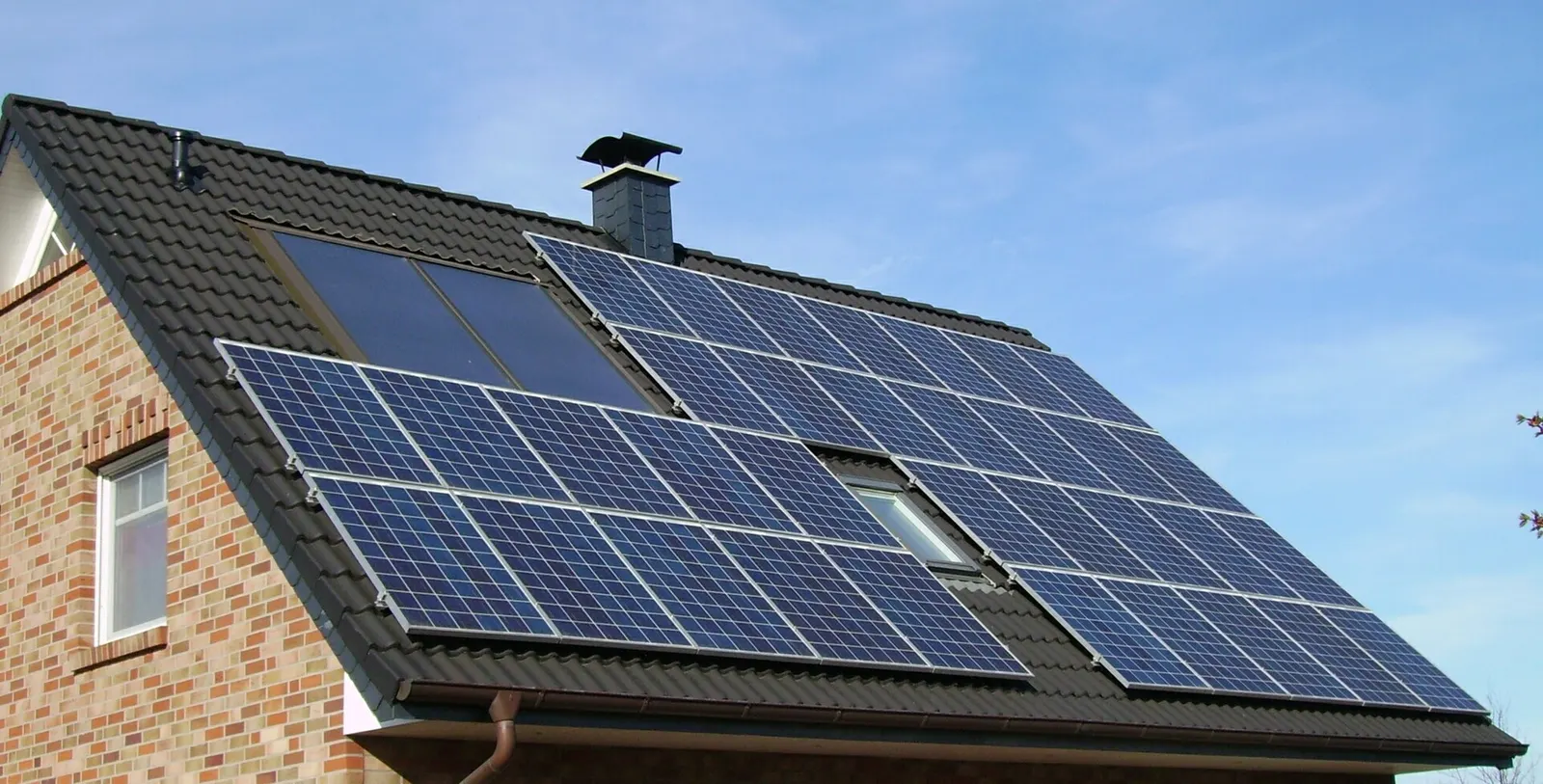
Rooftop Solar for Filipino Homes: What to Weigh Before You Install
Panels can trim electricity bills, but the value depends on daytime use, roof conditions, financing and grid connection.
· 3 min read
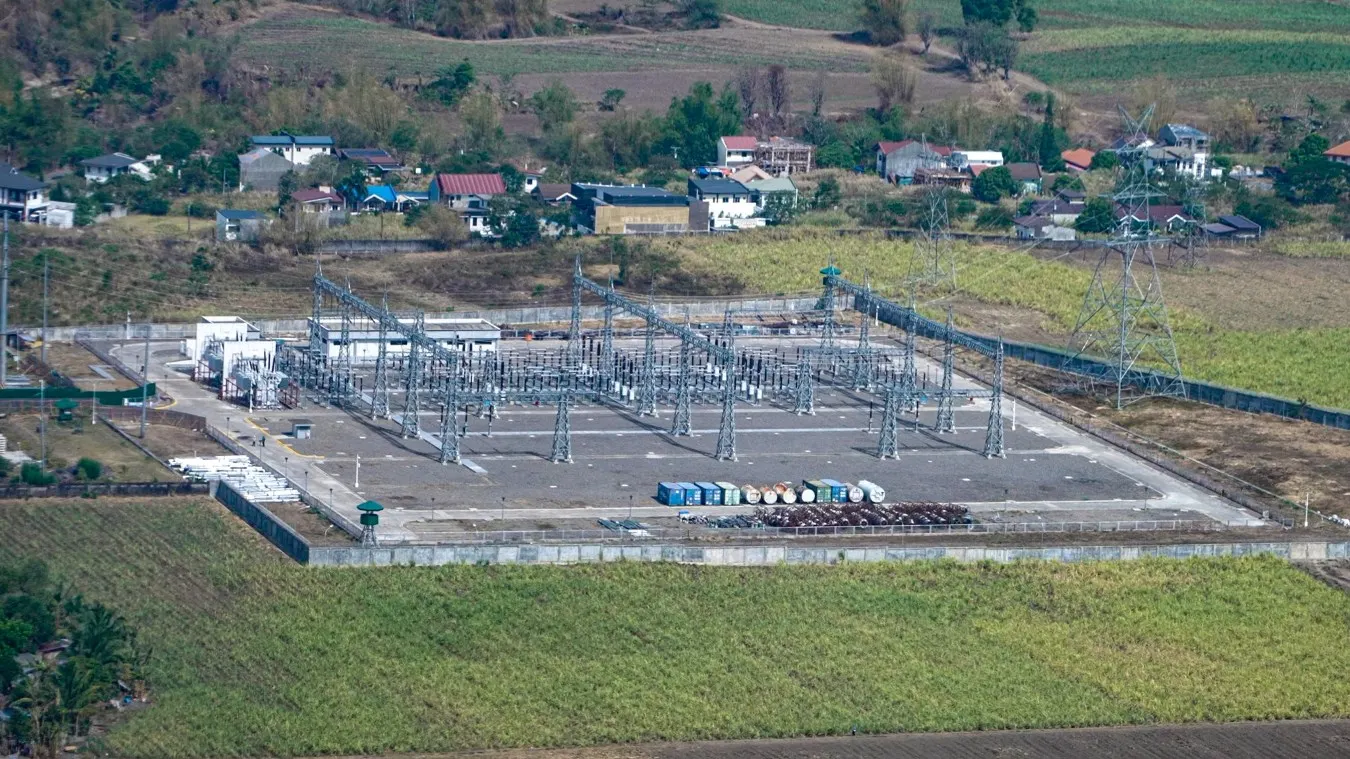
Why Brownouts Happen: Inside the Daily Balancing Act of the Power Grid
Electricity must be produced at the very moment it is used, and when supply and demand fall out of step, the lights can go out.
· 3 min read

Before the Storm: A Practical Typhoon Preparedness Guide for Households
Preparing early, knowing the warning system and planning for the days after a typhoon can protect both lives and household finances.
· 3 min read