
Rooftop Solar for Filipino Homes: What to Weigh Before You Install
Panels can trim electricity bills, but the value depends on daytime use, roof conditions, financing and grid connection.
By RapidPoll Environment Desk · · 3 min read
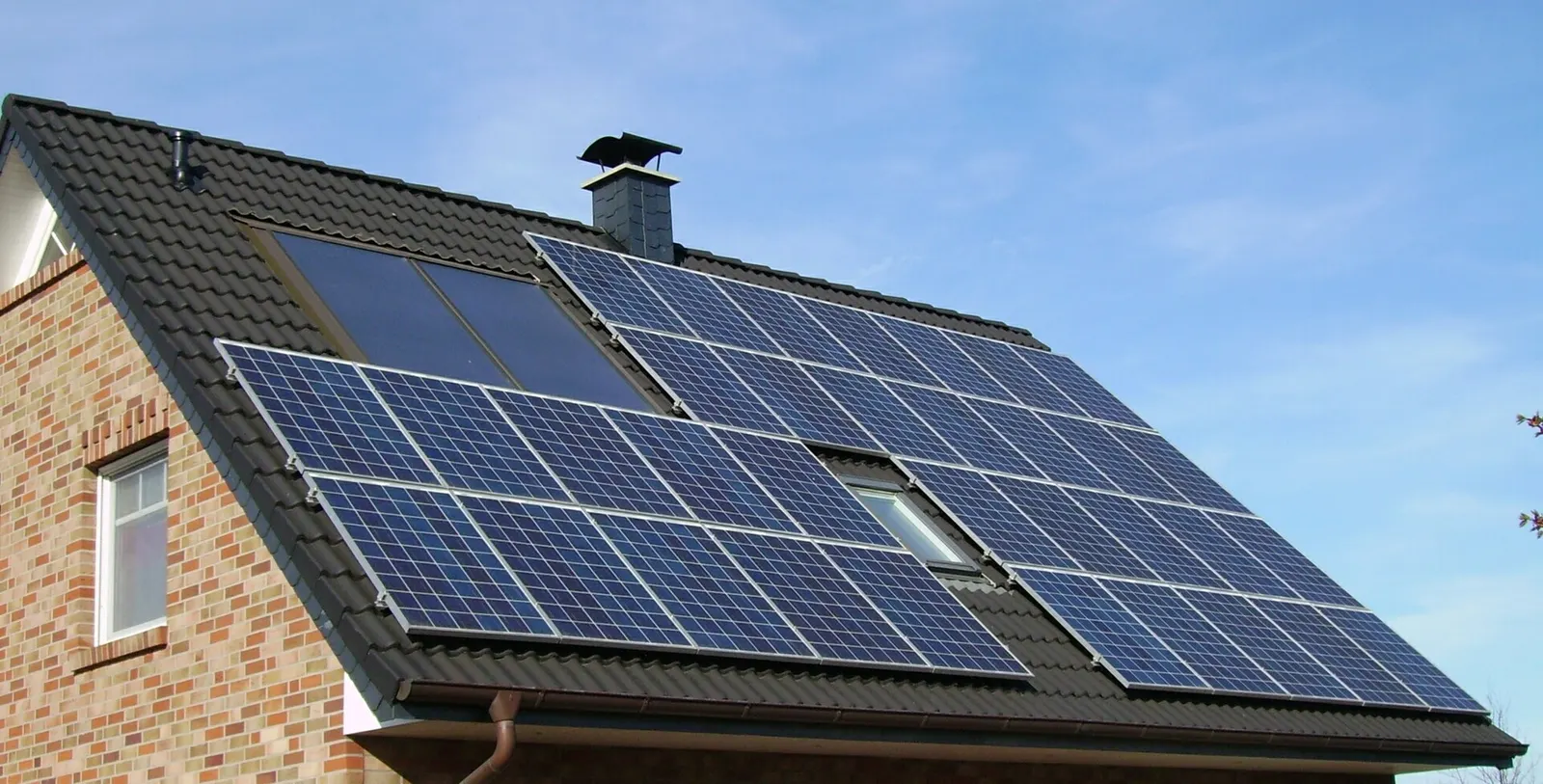
With abundant sunshine through much of the year and electricity bills that weigh on household budgets, rooftop solar has drawn growing interest across the Philippines. Panels have become a common sight on homes in subdivisions and provincial towns alike. A solar system is a long-term investment, and whether it pays off depends on details that are worth understanding before signing a contract.
How a home system works
A typical rooftop system has three main parts: the solar panels, which convert sunlight into direct current electricity; an inverter, which turns that into the alternating current used by household appliances; and the wiring and protective devices that connect everything to the home's electrical panel. Some systems also include batteries that store energy for use at night or during outages.
There are broadly three set-ups. A grid-tied system works alongside the distribution utility, drawing power from the grid when the panels are not producing enough. An off-grid system relies entirely on panels and batteries, which suits remote areas without reliable service. A hybrid system combines a grid connection with battery storage.
The question of daytime use
Solar panels produce electricity only when the sun is up, and output peaks around midday. The best savings usually come in homes that use a lot of power during the day, for example where someone works from home, runs air conditioning in the afternoon, or operates a small business. A household that is empty all day and uses most of its electricity at night will see less benefit unless it adds batteries or exports surplus power to the grid.
That is where net metering comes in. Under the Renewable Energy Act of 2008, qualified customers can connect small renewable systems to the grid and receive credit for the excess electricity they export. The credit for exported power is generally lower than the retail rate a household pays for electricity it draws, so using solar power directly in the home typically provides more value than sending it to the grid. Net metering requires an application with the distribution utility, a technical inspection and a bidirectional meter, and the process can take time.
A solar system is a long-term investment, and whether it pays off depends on details that are worth understanding before signing a contract.
Costs, roofs and the long view
The upfront cost of a system depends on its size, equipment quality, whether batteries are included, and how complex the installation is. Batteries in particular add substantially to the price and usually have shorter lifespans than panels. Many households weigh paying in cash against bank loans or installer financing, and interest should be included when estimating how long it will take for savings to cover the investment.
The roof matters too. It should be structurally sound, ideally with years of life left, since removing panels for roof repairs adds expense. Orientation and shading from trees, water tanks or neighbouring buildings affect output. In a country that sits in the typhoon belt, mounting systems must be designed and installed to withstand strong winds.
Questions to ask an installer
Is the system sized based on my actual electricity bills and usage pattern?
What brands are the panels and inverter, and what warranties come with them?
Will the installer handle the net metering application with the utility?
How is the mounting secured against typhoon winds, and could the installation affect my roof?
What maintenance is needed, and who provides after-sales service?
Solar can be a sensible way to reduce dependence on grid power and cut bills over time, but it is not a one-size-fits-all solution. Getting more than one quotation, checking an installer's track record, and matching the system to how the household actually uses electricity are the surest ways to make the investment worthwhile.
Share this story
More stories
Why Brownouts Happen: Inside the Daily Balancing Act of the Power Grid
Electricity must be produced at the very moment it is used, and when supply and demand fall out of step, the lights can go out.
· 3 min read
Before the Storm: A Practical Typhoon Preparedness Guide for Households
Preparing early, knowing the warning system and planning for the days after a typhoon can protect both lives and household finances.
· 3 min read
The Sachet Dilemma: Convenience, Affordability and a Mounting Waste Problem
Single-use packets make everyday goods affordable, but the waste they leave is hard to collect, harder to recycle and easy to see.
· 3 min read