
Why Some Bike Lanes Thrive and Others Sit Empty
Paint alone rarely makes cyclists feel safe; connected routes, protection and enforcement decide whether a bike lane gets used.
By RapidPoll Transport Desk · · 3 min read
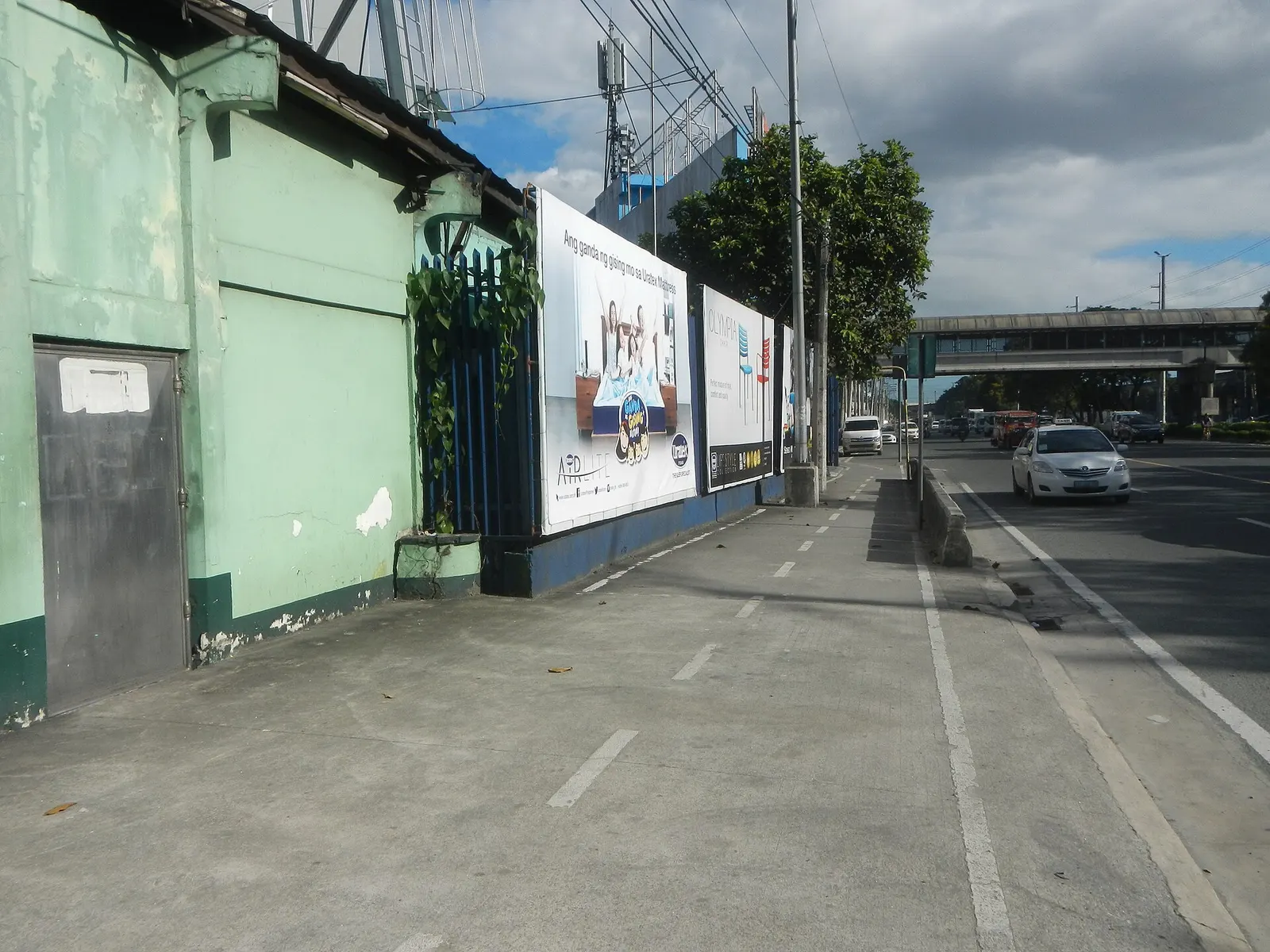
Bicycles have long been part of everyday Philippine life, used by delivery riders, vendors, students and workers looking for an affordable way to get around. Interest in cycling in Metro Manila and other cities grew noticeably during the pandemic, when public transport was limited, and many local governments and national agencies responded by marking new bike lanes. The results since then have been uneven. Some lanes are busy; others are ignored, blocked or quietly removed.
The difference usually comes down to design, connection and enforcement, rather than how many kilometers of lane have been painted.
Protection matters more than paint
A painted line tells drivers where cyclists should be, but it does little to keep vehicles out. On busy roads with buses, trucks and fast-moving cars, many potential riders do not feel safe in a lane separated only by paint. Physical separation, such as curbs, bollards, planters or raised lanes, changes that calculation. Lanes with real protection tend to attract a broader range of riders, including those who are new to cycling or who ride with children.
Width and surface quality matter too. A lane that is too narrow, or interrupted by drainage grates, potholes or parked vehicles, pushes cyclists back into traffic. Riders quickly learn which lanes are dependable and which are not, and they choose their routes accordingly.
A network, not a segment
A bike lane that ends abruptly at a busy intersection, or connects nowhere useful, rarely gets much use. People cycle to get somewhere: to work, school, the palengke or a transport hub. Lanes that link homes to these destinations, and that join together into a continuous network, are far more valuable than isolated stretches.
Intersections are where many cycling routes fail. Crossing a major road without signals, refuge islands or a clear right of way can be the most dangerous part of a trip. A single unsafe crossing can discourage someone from riding the entire route. Well-designed junctions are often more important than the length of lane between them.
A single unsafe crossing can discourage someone from riding the entire route.
Enforcement and shared space
Even well-built lanes fail if they become parking spaces, loading zones or overflow lanes for motorcycles. Consistent enforcement by local traffic authorities, combined with clear signage and markings, determines whether a lane stays usable day after day. When enforcement is only occasional, encroachment tends to return.
There is also the matter of competing demands for limited road space. In dense cities, space given to bicycles is space taken from cars, jeepneys or parking, and that can create friction with motorists, businesses and public transport operators. Planners who involve communities early, explain the purpose of a lane and show how it fits into broader mobility goals tend to face less resistance.
Beyond the lane itself
Supporting infrastructure often decides whether people make cycling a habit:
Secure bike parking at offices, schools, markets and rail stations.
Shade and rest points, which matter in a hot and humid climate.
Integration with public transport, so cyclists can combine a ride with a train or bus trip.
Workplace facilities, such as a place to change clothes or freshen up after riding.
Weather is a real constraint. Heat, heavy rain and flooding make cycling difficult for parts of the year, and no amount of lane design will fully solve that. Still, cities in other hot and rainy places have built strong cycling habits by making routes safe, direct and shaded.
The lesson from Philippine cities so far is that bike lanes work best when treated as part of the transport system rather than as a symbolic gesture. Counting kilometers is easy; building routes that people actually trust is harder, and far more useful.
Share this story
More stories
How Jeepney and Bus Fares Are Set, and Why Changes Take Time
Behind every fare adjustment is a regulatory process that weighs operator costs against what commuters can afford.
· 3 min read
What commuters told us about fares
Reliability, transfers and time count as much as the price of a ride.
· 1 min read
The Trade-offs at the Heart of PUV Modernization
Replacing aging jeepneys promises cleaner, safer rides, but the costs and risks fall unevenly on drivers, operators and riders.
· 3 min read