
The Trade-offs at the Heart of PUV Modernization
Replacing aging jeepneys promises cleaner, safer rides, but the costs and risks fall unevenly on drivers, operators and riders.
By RapidPoll Transport Desk · · 3 min read
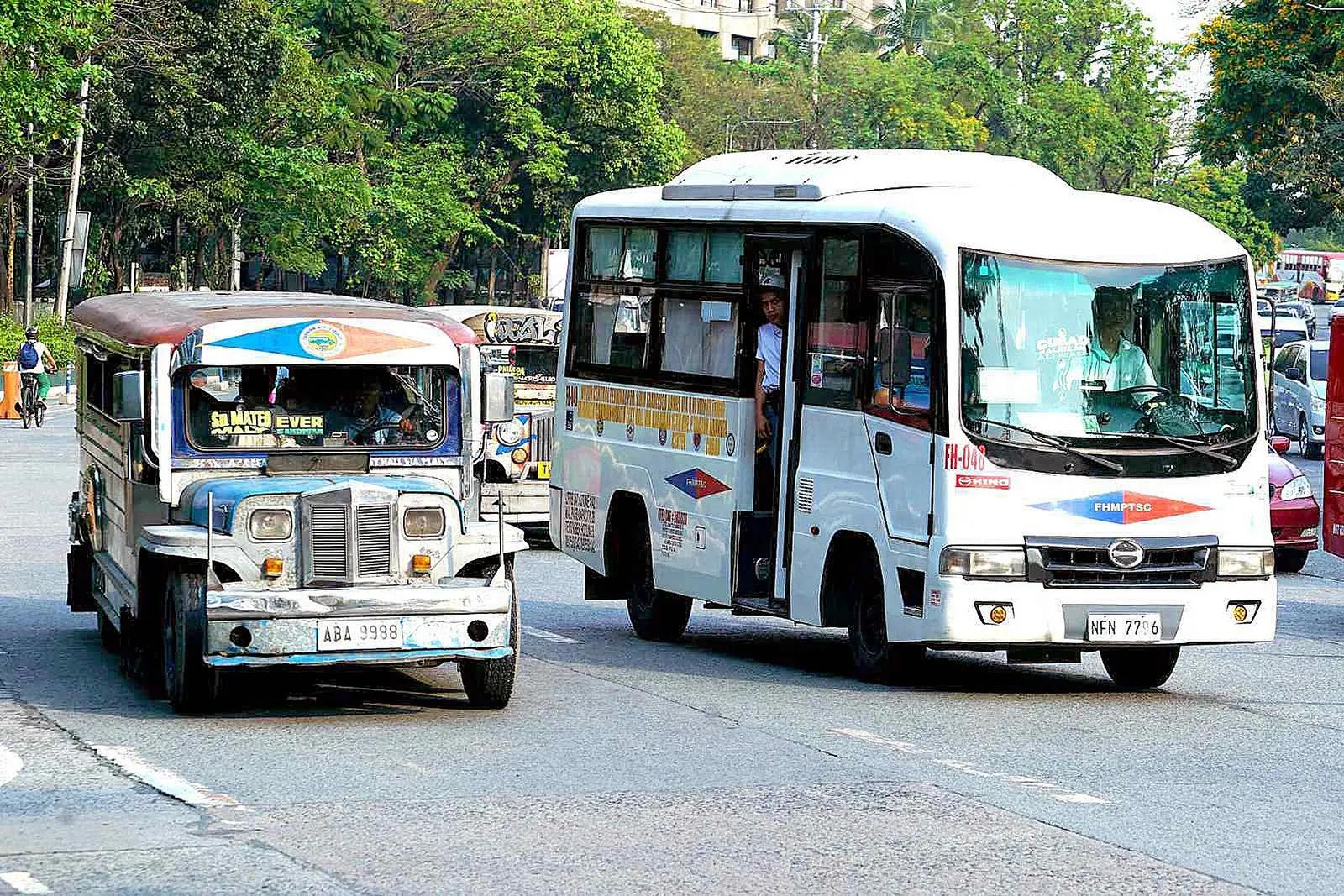
Few vehicles are as closely tied to Philippine identity as the jeepney. Descended from military jeeps left behind after the Second World War, it grew into the backbone of urban and provincial transport: flexible, affordable and owned largely by individual operators. That same history is why efforts to modernize public utility vehicles have been among the most debated transport policies in the country.
The government's modernization program seeks to replace older units with vehicles that meet newer safety and emissions standards, and to reorganize how routes are run. Understanding the debate means looking past the vehicle itself to the business model behind it.
What modernization tries to fix
Supporters point to several problems with the traditional system. Many older jeepneys run on aging diesel engines that contribute to air pollution in congested cities. Safety features are often minimal, and the vehicles can be difficult to board for elderly passengers, persons with disabilities and anyone traveling with children or heavy loads.
The other target is the way the industry is organized. Under the traditional boundary system, drivers rent a vehicle for the day and keep what they earn above a fixed payment. This can encourage competition for passengers on the road, long working hours and erratic stopping, since every extra rider counts. Consolidating operators into cooperatives or corporations is meant to allow fleet management, scheduled dispatching, salaried drivers and better route planning.
Where the costs land
The central difficulty is money. Modern units cost considerably more than the jeepneys they replace, and most small operators cannot purchase them outright. Financing through government banks and partial subsidies has been offered, but taking on large loans is a serious commitment for operators whose income depends on daily ridership.
Consolidation brings its own risks. Individual operators who once owned their vehicles may find themselves as members of a cooperative whose finances they do not control. Drivers worry about whether salaried arrangements will materialize and whether they will keep their livelihoods. Some cooperatives have managed the transition well, while others have struggled with debt, governance and route viability.
Commuters face trade-offs as well. Newer vehicles can offer more comfort and safety, but the higher cost of acquiring and financing them creates pressure for higher fares. During transitions, some routes can also see fewer units in service, leading to longer waits. The question is less whether the jeepney should change than who pays for the change and how fast it should happen.
The question is less whether the jeepney should change than who pays for the change and how fast it should happen.
Lessons from the rollout
Several themes recur in discussions of the program. Route planning matters: a modern vehicle on a poorly designed route will not solve congestion or unreliable service. Local government units have a role in preparing route plans, and their capacity varies widely. Financing terms matter, because loan conditions and subsidies determine whether small operators can participate at all. Communication matters too, since uncertainty about deadlines and requirements has fueled anxiety and protest among transport groups.
There is also debate over vehicle design. Some locally built modern jeepneys keep side-facing benches and a familiar profile, while other units look more like minibuses. Advocates of local manufacturing argue that domestically produced vehicles could help keep costs down and support Filipino jobs.
What to watch
Whether financing and subsidies are sufficient for small operators to transition without unsustainable debt.
How consolidated cooperatives are governed, and whether drivers gain stable incomes.
Whether local route plans improve coverage instead of leaving gaps where traditional jeepneys once ran.
How fares evolve as newer, costlier units make up a larger part of the fleet.
Modernization is ultimately a question of public transport policy, not just vehicle replacement. Its success will be measured by whether everyday riders get safer, cleaner and more reliable service, and whether the people who have long kept jeepneys running become part of that future rather than casualties of it.
Share this story
More stories
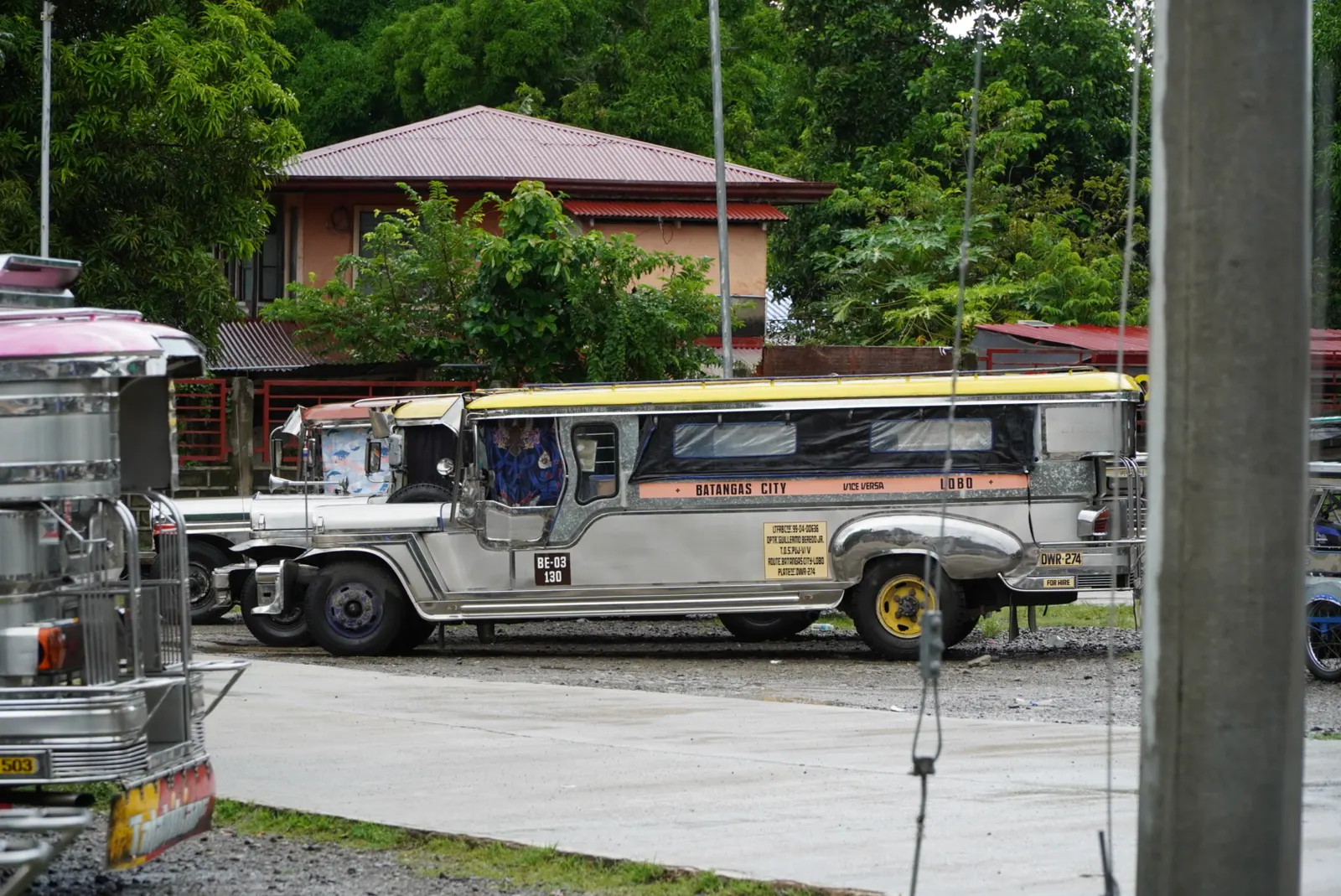
How Jeepney and Bus Fares Are Set, and Why Changes Take Time
Behind every fare adjustment is a regulatory process that weighs operator costs against what commuters can afford.
· 3 min read
What commuters told us about fares
Reliability, transfers and time count as much as the price of a ride.
· 1 min read
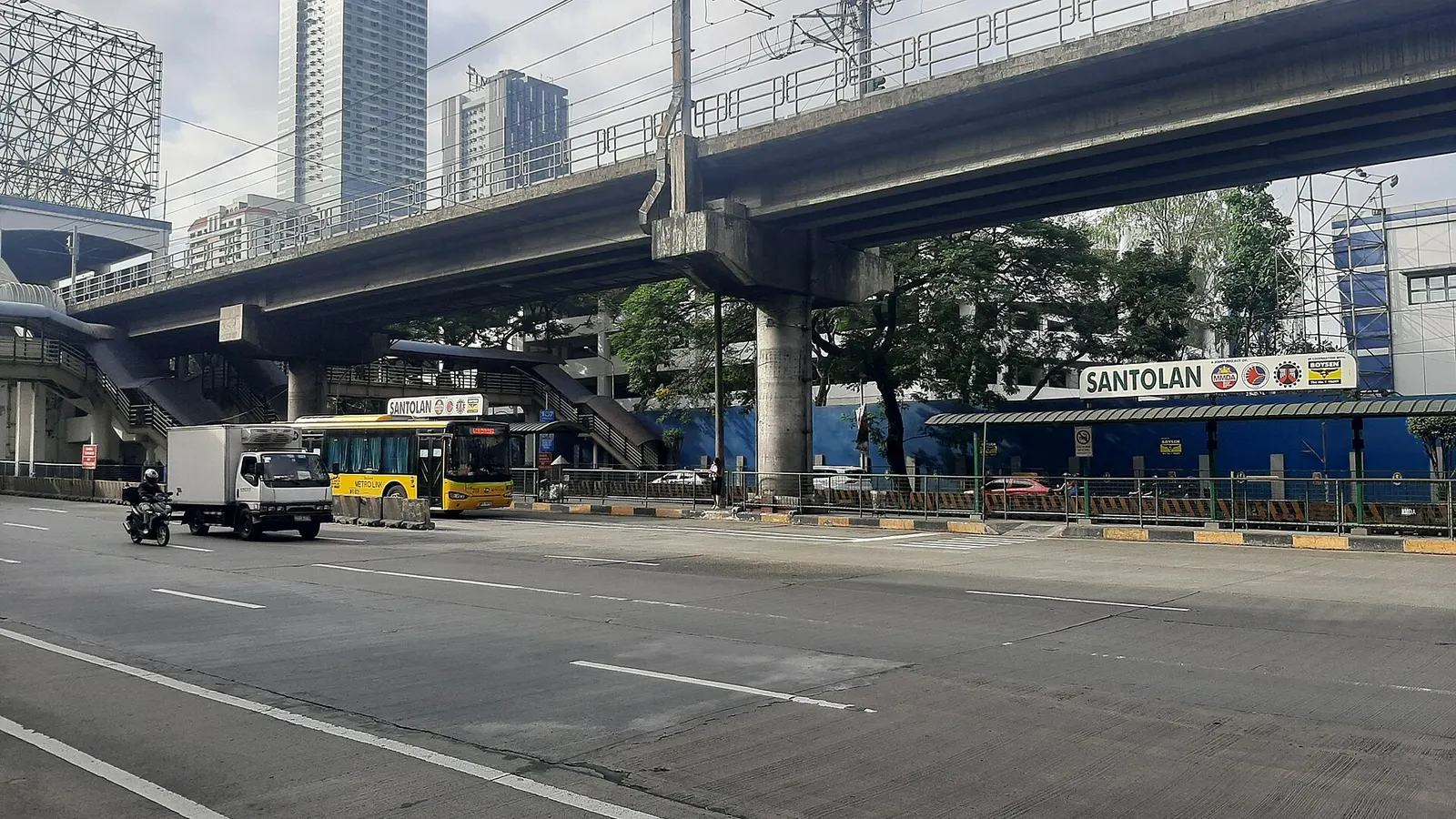
A Practical Guide to Planning a Multi-Modal Commute in Metro Manila
Combining trains, buses, jeepneys and walking can save time and stress, if you plan the transfers as carefully as the rides.
· 3 min read