
How Jeepney and Bus Fares Are Set, and Why Changes Take Time
Behind every fare adjustment is a regulatory process that weighs operator costs against what commuters can afford.
By RapidPoll Transport Desk · · 3 min read

For millions of Filipinos, the fare paid on a jeepney or city bus is one of the most frequent financial transactions of the day. It is handed over in coins, passed hand to hand down the length of a jeepney, or tapped on a card reader. Yet few riders see the process that determines how much that ride costs, or why a change in fare can take months to reach the street.
Fares for road-based public utility vehicles are not set freely by drivers or operators. They are regulated, and any change must go through a formal process before it can be collected legally.
Who decides
The Land Transportation Franchising and Regulatory Board, an attached agency of the Department of Transportation, is responsible for issuing franchises to public utility vehicles and for approving the fares they may charge. Its decisions cover jeepneys, buses, UV Express units and taxis, among others, and they apply by vehicle type and route classification rather than to individual drivers.
A fare change typically begins with a petition. Transport groups or operators may file a request asking for an increase, often citing rising costs. In some cases the regulator may also review fares on its own initiative, or consider a provisional adjustment while a fuller review proceeds.
Petitions are usually subject to public hearings, where operators, commuter advocates and other interested parties can present their positions. The regulator then evaluates the evidence before issuing an order. Once a change is approved, an updated fare matrix is released, and operators are expected to display the authorized fares in their vehicles.
What goes into the calculation
Fare-setting is, at its core, an attempt to balance two legitimate interests. Operators need enough revenue to cover fuel, maintenance, spare parts, insurance, franchise requirements, the boundary or salary arrangements with drivers, and a reasonable return. Commuters, many of whom spend a significant share of their daily income on transport, need fares that remain affordable. A fare is not just a price; it is a regulated balance between the cost of running a vehicle and the reality of what riders can pay.
Fuel prices tend to dominate the conversation because they move often and visibly. But other costs matter too: tire and parts prices, vehicle acquisition costs, financing for newer units, and the wage levels that shape what drivers need to earn. Regulators also consider the broader economic situation, since a fare increase ripples into household budgets and, in turn, into the prices of other goods and services.
Base fare: the minimum amount charged for the first few kilometers of a trip.
Succeeding kilometer rate: the additional charge for each kilometer traveled beyond the base distance.
Discounts: reduced fares mandated by law for students, senior citizens and persons with disabilities.
Why changes feel slow, or sudden
Because the process involves petitions, hearings and deliberation, fare decisions often lag behind cost changes. When fuel prices rise quickly, operators may feel squeezed for weeks or months before relief arrives. When prices fall, commuters may wonder why fares do not immediately follow. Provisional increases and rollbacks can shorten that gap, but they too require formal orders.
The fare system also interacts with government support. Fuel subsidies for drivers and operators, service contracting arrangements that pay operators based on distance traveled, and free-ride programs have all been used at different times as alternatives or complements to fare increases. Each shifts part of the cost of a ride from the passenger to the public purse.
A fare is not just a price; it is a regulated balance between the cost of running a vehicle and the reality of what riders can pay.
What commuters can do
Riders can check the official fare matrix for their vehicle type, especially after an adjustment, and are entitled to the discounts provided by law when they present valid identification. Overcharging and refusal to grant discounts can be reported to the regulator through its official channels.
Knowing how the system works will not lower a fare, but it does make it easier to recognize when a charge is out of line, and to follow fare discussions with a clearer sense of what is actually being weighed.
Share this story
More stories

What commuters told us about fares
Reliability, transfers and time count as much as the price of a ride.
· 1 min read
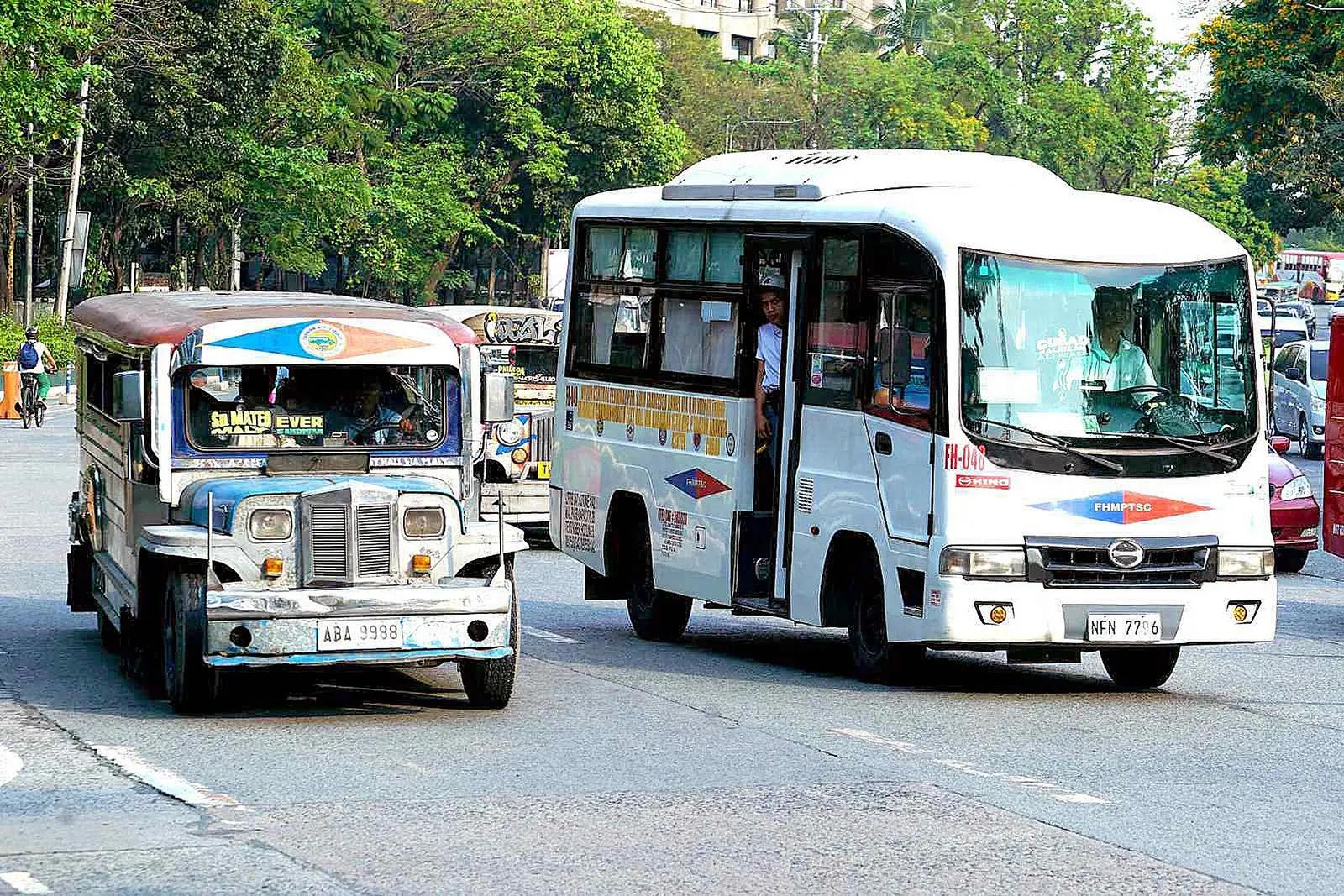
The Trade-offs at the Heart of PUV Modernization
Replacing aging jeepneys promises cleaner, safer rides, but the costs and risks fall unevenly on drivers, operators and riders.
· 3 min read
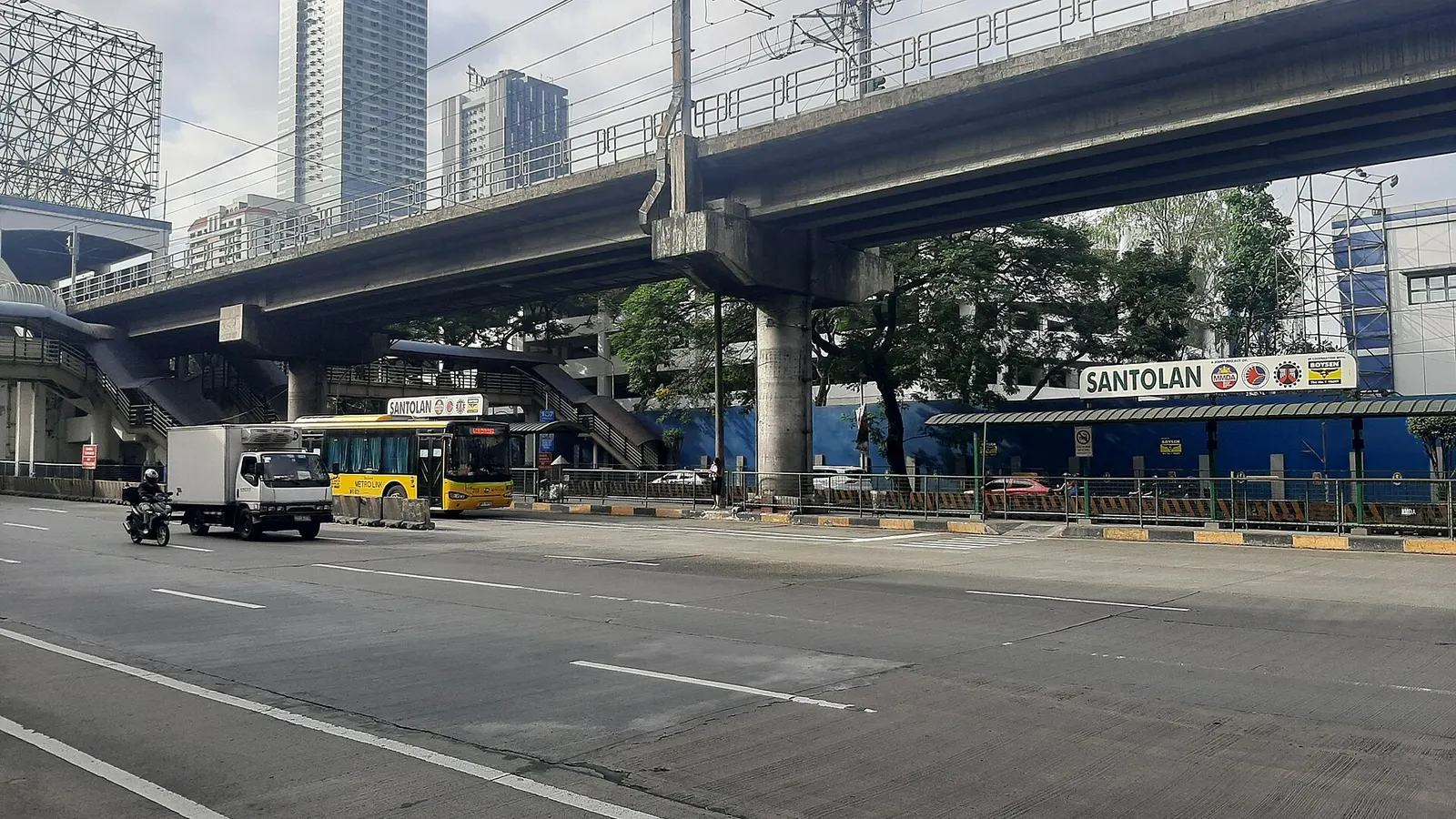
A Practical Guide to Planning a Multi-Modal Commute in Metro Manila
Combining trains, buses, jeepneys and walking can save time and stress, if you plan the transfers as carefully as the rides.
· 3 min read