
What commuters told us about fares
Reliability, transfers and time count as much as the price of a ride.
By RapidPoll Transport Desk · · 1 min read

Ask commuters in Metro Manila about fares and the conversation rarely stays on the fare. The price of a ride matters, especially for households that pay it several times a day, but it is only one part of what a commute costs.
More than the fare
Riders who change vehicles two or three times pay a boarding charge at every leg, so a trip that looks cheap on a fare matrix can add up quickly. Time spent queueing and the risk of arriving late to work carry a cost of their own.
Fares matter, but so does reliability.
Fares matter, but so does reliability. A slightly higher fare on a route with predictable trips can be easier to plan around than a cheaper ride that never comes on time.
What to watch
Fare petitions are heard by the LTFRB, which weighs operator costs against what riders can afford. Read how fares are set.
Share this story
More stories

How Jeepney and Bus Fares Are Set, and Why Changes Take Time
Behind every fare adjustment is a regulatory process that weighs operator costs against what commuters can afford.
· 3 min read
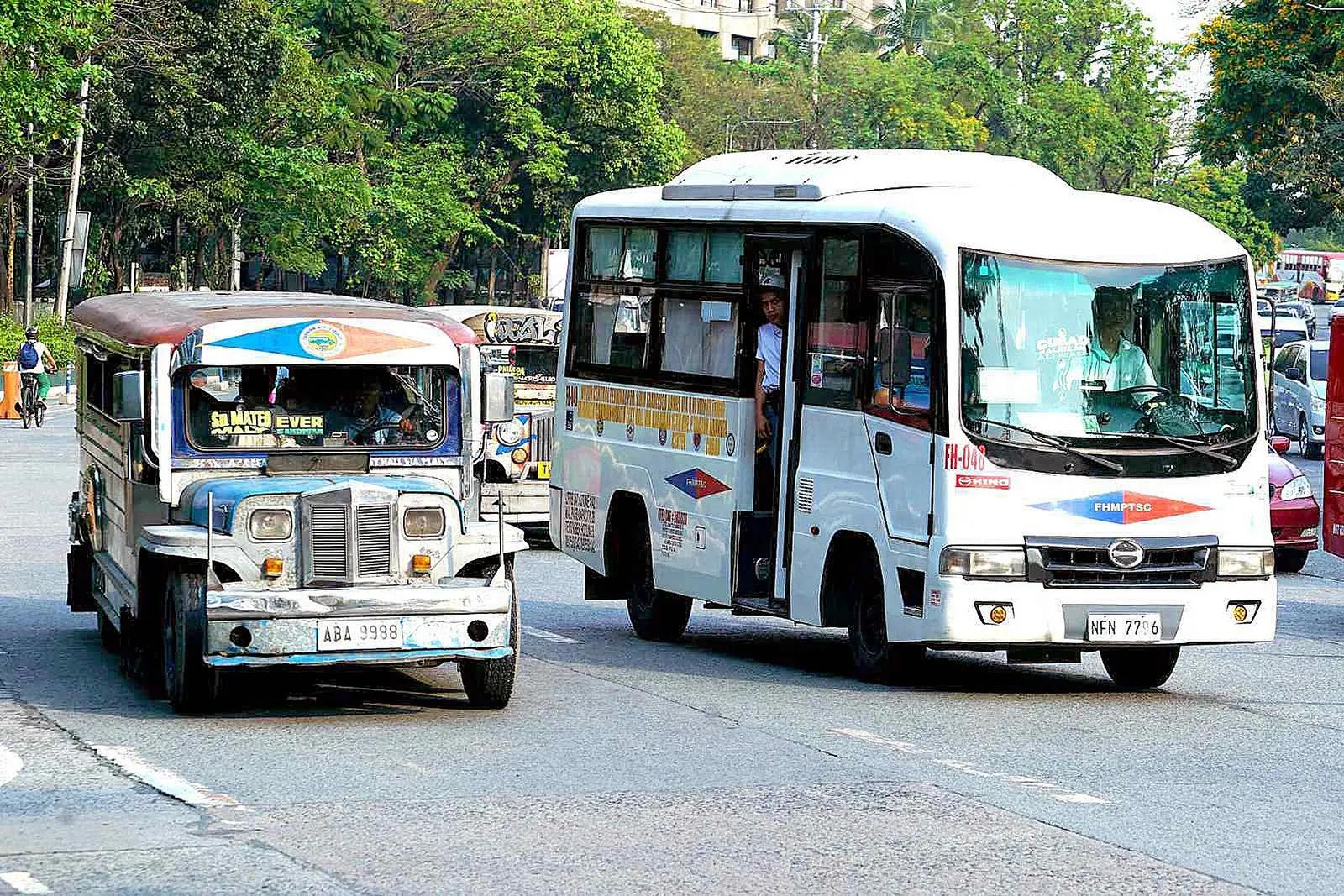
The Trade-offs at the Heart of PUV Modernization
Replacing aging jeepneys promises cleaner, safer rides, but the costs and risks fall unevenly on drivers, operators and riders.
· 3 min read
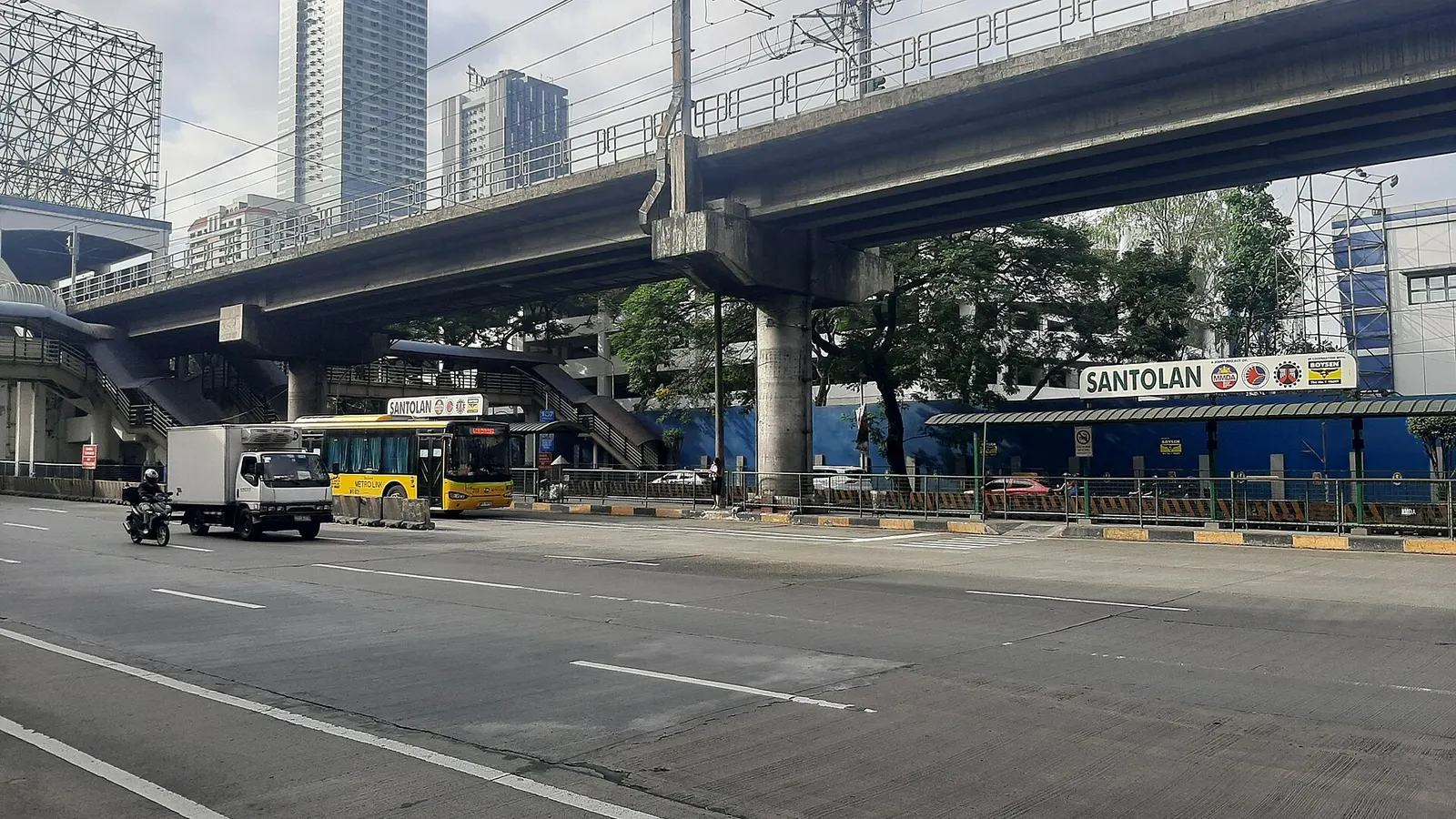
A Practical Guide to Planning a Multi-Modal Commute in Metro Manila
Combining trains, buses, jeepneys and walking can save time and stress, if you plan the transfers as carefully as the rides.
· 3 min read