
What Really Drives the Price of Rice on Your Table
From the farm to the palengke stall, the cost of the country's staple grain is shaped by weather, world markets and the many hands in between.
By RapidPoll Newsroom · · 3 min read
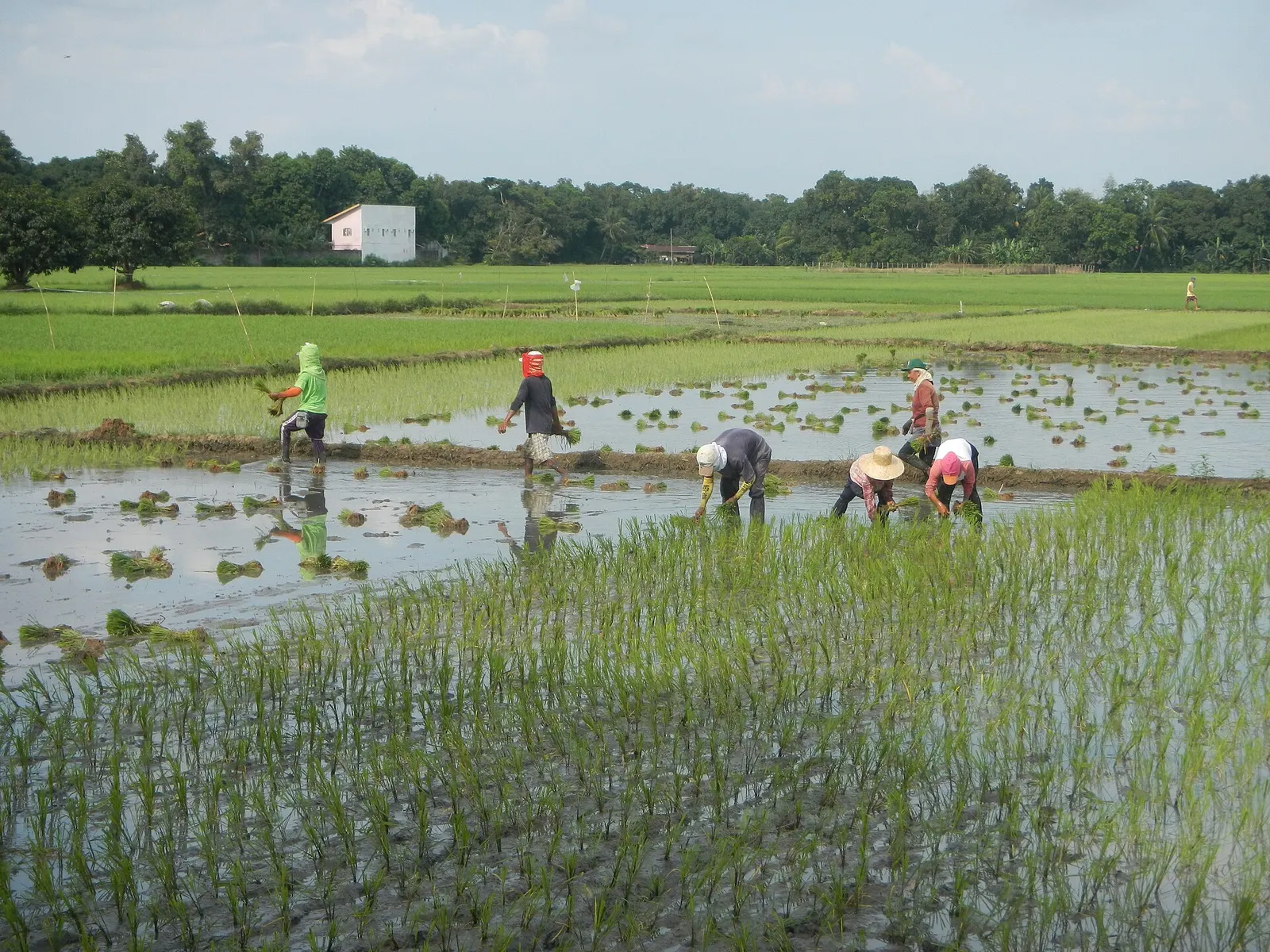
Few prices are watched as closely in Filipino homes as the price of rice. It is eaten at almost every meal, it takes up a large share of the grocery budget for lower-income families, and even a small change per kilo is felt immediately. Yet the price on the palengke chalkboard is the final number in a long chain, and each link in that chain can push it up or down.
It starts in the field
Domestic production remains the foundation of supply. Farmers face costs for seeds, fertilizer, fuel for water pumps and machinery, labor, and often credit. When fertilizer or diesel becomes more expensive, those costs eventually show up in the price of palay, the unmilled grain that farmers sell. Weather adds another layer of uncertainty. The Philippines sits in the typhoon belt, and a strong storm arriving near harvest can flatten fields and spoil grain, while prolonged dry spells associated with El Niño can reduce yields in rainfed areas.
Timing matters too. Palay prices tend to be softer around harvest, when supply is abundant, and firmer during the lean months before the next harvest. Farmers without drying facilities or storage often have to sell quickly at harvest, which limits how much of any later price increase reaches them.
The long road from palay to bigas
Between the farmer and the consumer stand traders, millers, warehouse owners, wholesalers and retailers. Palay must be dried, milled, bagged, stored and transported, sometimes across islands. Each step adds cost, and each participant needs a margin to stay in business. In an archipelago, shipping and logistics are not minor details; moving goods between islands can be expensive and vulnerable to weather disruptions.
This chain is also where concerns about hoarding and price manipulation tend to arise. Authorities periodically inspect warehouses and markets, and the law penalizes large-scale smuggling and cartel behavior. Still, separating genuine supply problems from opportunistic pricing is difficult, which is why price movements so often spark public debate.
The role of imports and world markets
The Philippines does not grow all the rice it eats, and imports fill the gap. Since the Rice Tariffication Law took effect in 2019, private traders can import rice subject to a tariff, replacing the earlier system of quantitative restrictions. Imported rice therefore links local prices to conditions in major exporting countries such as Vietnam and Thailand. When exporters face poor harvests or impose export restrictions, or when the peso weakens against the US dollar, imported rice becomes more expensive and local prices tend to follow.
Yet the price on the palengke chalkboard is the final number in a long chain, and each link in that chain can push it up or down.
Tariff levels are themselves a policy lever. Lowering them can ease consumer prices in the short term but may squeeze local farmers who compete with cheaper imports; raising them supports farm incomes but can make rice costlier for households. Part of the tariff revenue is channeled into programs meant to make local farmers more competitive, such as mechanization and better seeds, and the long-term payoff of those programs is itself a factor in future prices.
What to watch
Harvest calendars and typhoon tracks, which signal short-term supply swings.
The peso-dollar exchange rate and conditions in exporting countries, which shape import costs.
Fuel and fertilizer prices, which feed into farm and transport costs.
Government actions on tariffs, buffer stocks and market enforcement.
For households, the practical lesson is that no single actor sets the price of rice. Understanding the forces behind it will not make a kilo cheaper, but it can make sudden changes less mysterious and public debates about solutions easier to follow.
Share this story
More stories
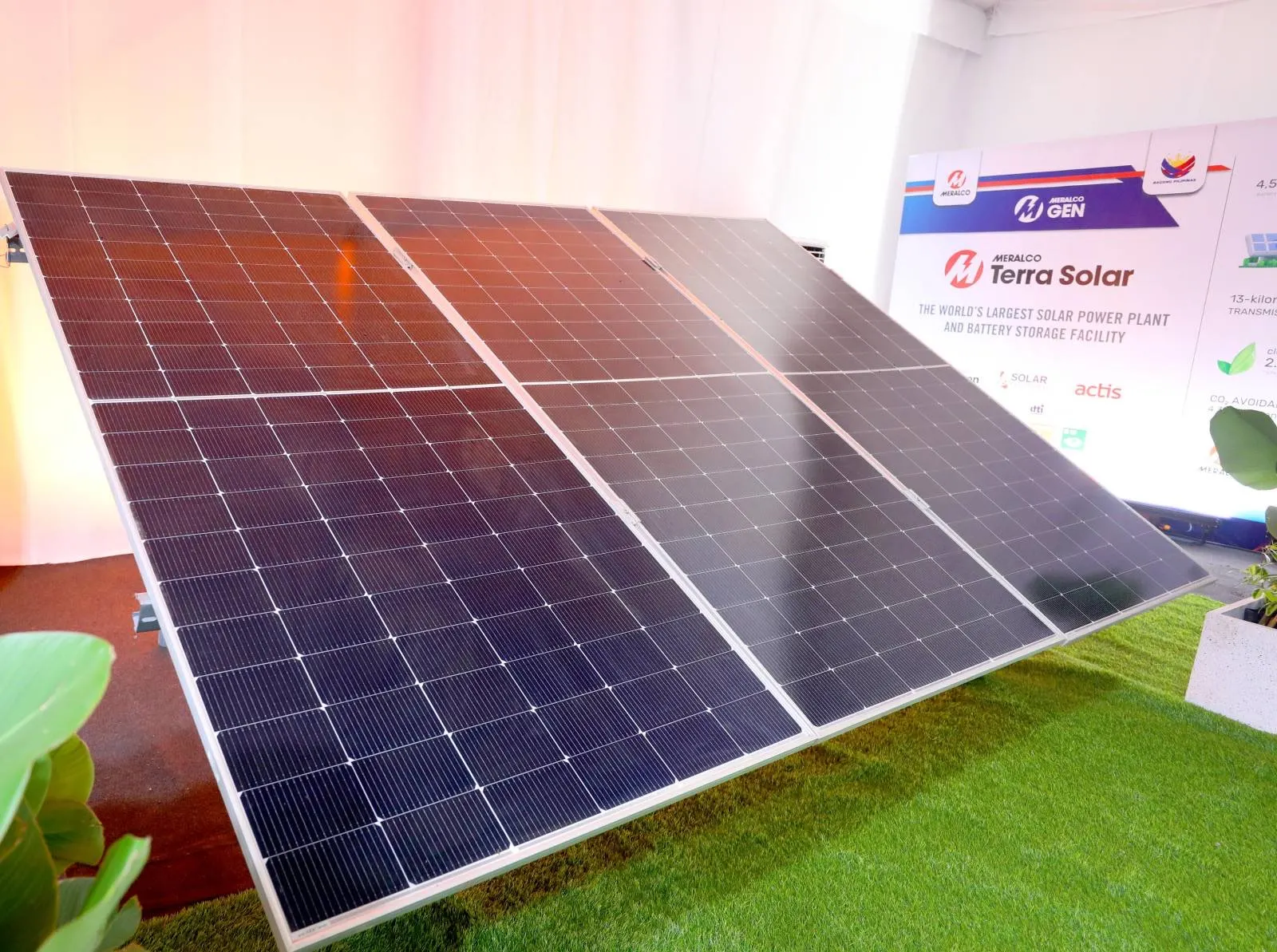
Your Electricity Bill, Decoded Line by Line
The charges on a monthly power bill tell a story about where electricity comes from and who handles it before it reaches your home.
· 3 min read
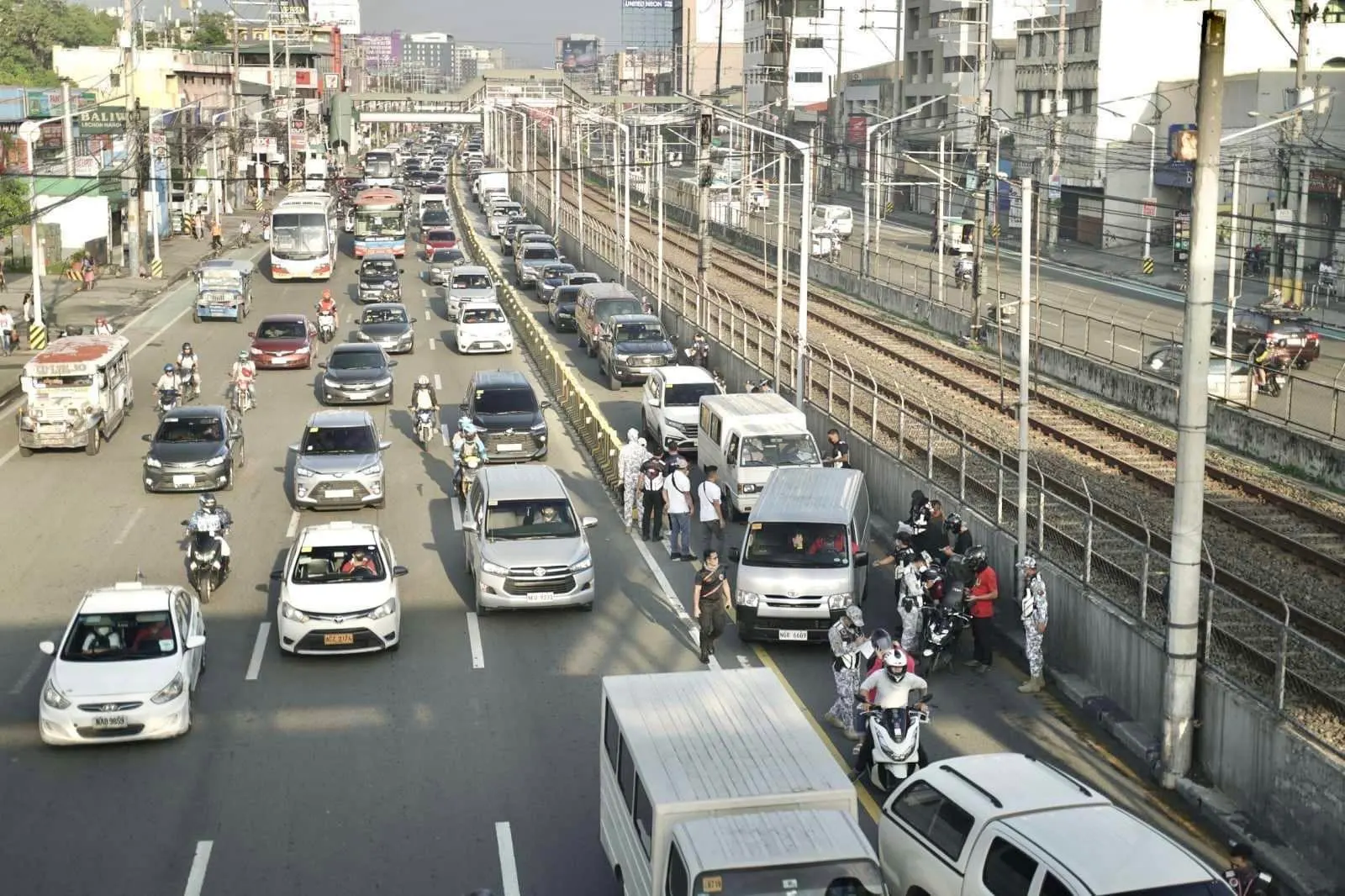
Renting in the City or Commuting From the Province: Weighing the Real Costs
Rent is only one side of the equation, and time, fares, food and health all belong in the calculation for workers deciding where to live.
· 3 min read
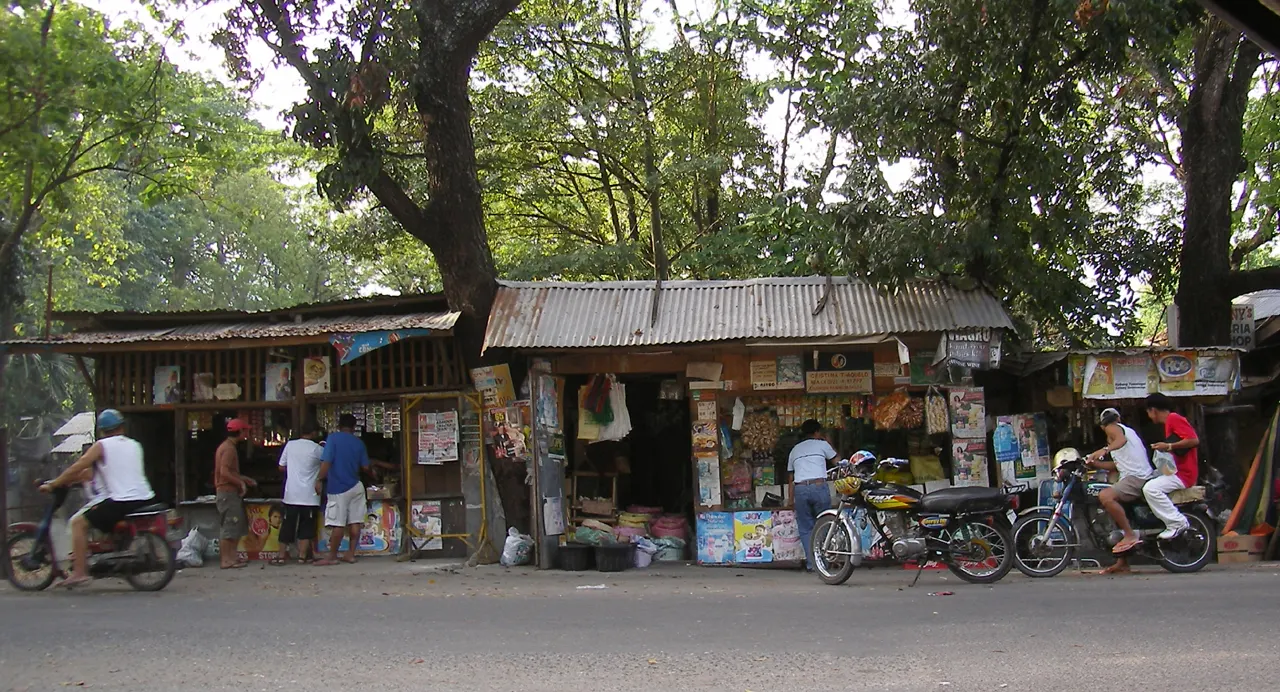
The Sari-Sari Store: A Small Shop With an Outsized Role
The corner store does more than sell snacks; it extends credit, shares news and keeps household budgets moving one small purchase at a time.
· 3 min read