
Your Electricity Bill, Decoded Line by Line
The charges on a monthly power bill tell a story about where electricity comes from and who handles it before it reaches your home.
By RapidPoll Consumer Desk · · 3 min read
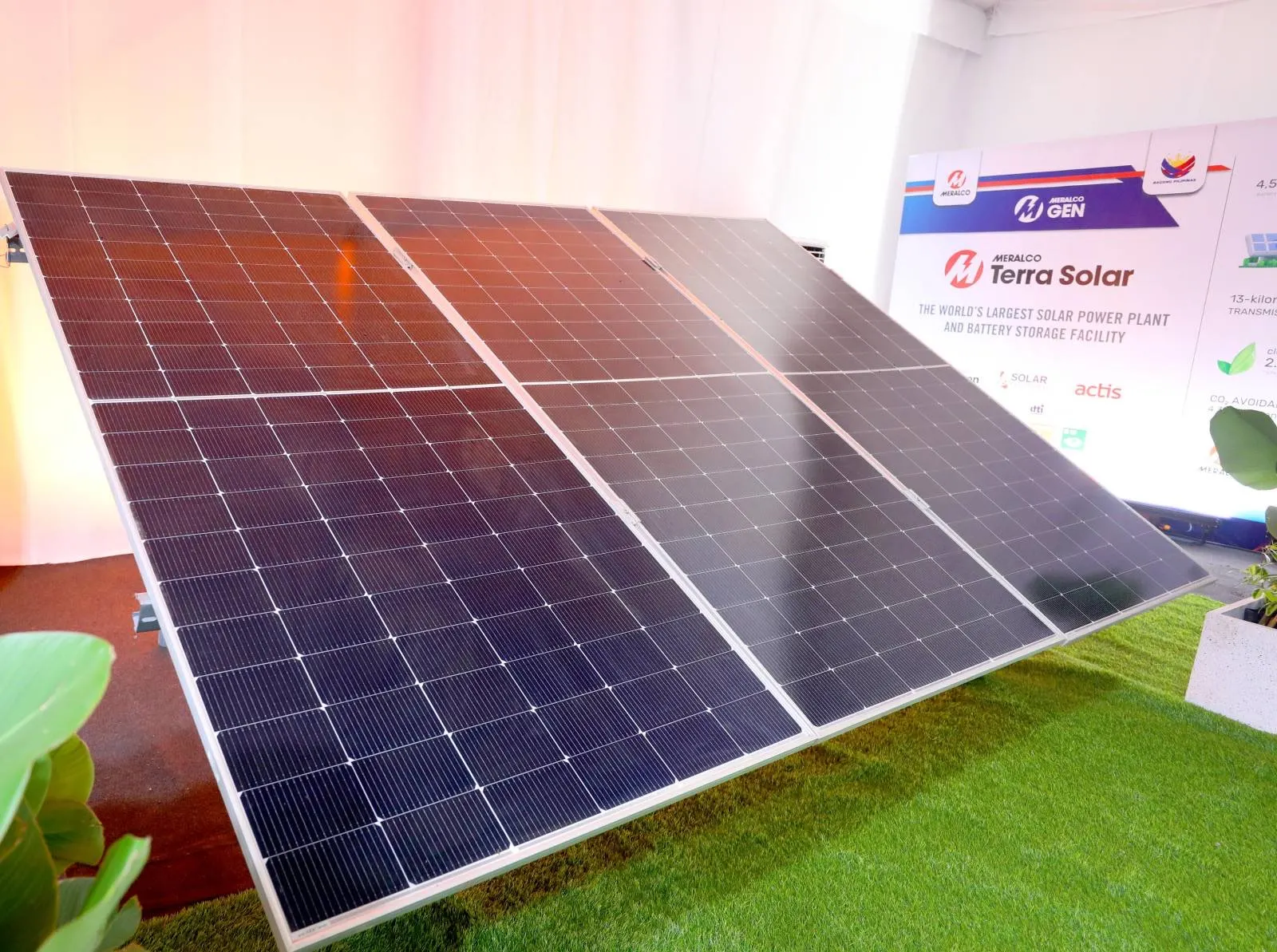
For many households, the monthly electricity bill is read in a single glance: the amount due and the deadline. Yet the sheet that arrives from Meralco in Metro Manila, or from an electric cooperative in the provinces, is a compact map of the entire power system. Each line represents a different stage in the journey of electricity, and understanding them makes it easier to see which costs a household can influence and which it cannot.
Start with consumption
Before any peso amounts, look for the meter readings. The bill shows the previous and present readings and the difference between them, expressed in kilowatt-hours. This number is the foundation for most of the charges that follow. If it jumps unexpectedly, check the reading dates first; a billing period that runs a few days longer than usual will naturally record more use. Comparing the kilowatt-hours from month to month, rather than the total amount, gives a clearer picture of whether the household is actually using more power.
The big pieces: generation, transmission, distribution
The generation charge is usually the largest single item. It covers the cost of producing the electricity itself, which the distributor buys from power plants under supply contracts and from the wholesale electricity spot market. This is a pass-through cost: the distributor does not earn from it, and it moves up and down with fuel prices, exchange rates and the mix of plants running in a given month. When a rate adjustment makes the news, the generation charge is often the reason.
The transmission charge pays for moving power over high-voltage lines from plants to local substations. Those lines are operated by the National Grid Corporation of the Philippines. The distribution, supply and metering charges, meanwhile, belong to the local distributor. They pay for the poles, wires and transformers in your area, customer service, billing, and the meter on your wall. These are the charges that the Energy Regulatory Commission reviews when it sets what a distributor may collect.
System loss is a line many people find puzzling. Some electricity is inevitably lost as heat in wires and transformers, and some is lost to pilferage. Regulators set a cap on how much of these losses can be passed on to consumers, which gives distributors an incentive to keep their networks efficient.
Taxes, subsidies and universal charges
Further down the bill sit items that have little to do with your own wiring. Universal charges fund programs that serve the wider public, such as electrification in remote, off-grid areas and certain environmental obligations. The feed-in tariff allowance supports eligible renewable energy projects. Value-added tax is applied on several components, and local franchise taxes may also appear.
There is also a lifeline rate. Households that consume very little electricity receive a discount, and the cost of that discount is shared by other customers through a small subsidy line. For a family that runs only a few lights and a fan, the lifeline provision can make a noticeable difference.
Comparing the kilowatt-hours from month to month, rather than the total amount, gives a clearer picture of whether the household is actually using more power.
What a household can actually control
Most of the per-kilowatt-hour rate is set by forces far beyond the household: fuel markets, plant availability, grid operations and regulation. What remains firmly within reach is the quantity of kilowatt-hours consumed. That is why practical savings usually come from the same familiar places.
Air conditioners and refrigerators, which run for long hours, tend to dominate consumption, so their settings, door seals and maintenance matter.
Older appliances can draw more power than newer, efficient models, which makes the energy label worth reading before a purchase.
Devices left on standby add a small but steady load that unplugging can remove.
Hot months raise cooling demand, so a higher bill in summer is not necessarily a sign of a billing error.
If a figure still looks wrong after checking the readings and the billing period, distributors have formal channels for disputes, and the regulator handles complaints that are not resolved locally. A bill that is understood is also a bill that can be questioned with confidence.
Share this story
More stories

What Really Drives the Price of Rice on Your Table
From the farm to the palengke stall, the cost of the country's staple grain is shaped by weather, world markets and the many hands in between.
· 3 min read
Renting in the City or Commuting From the Province: Weighing the Real Costs
Rent is only one side of the equation, and time, fares, food and health all belong in the calculation for workers deciding where to live.
· 3 min read

The Sari-Sari Store: A Small Shop With an Outsized Role
The corner store does more than sell snacks; it extends credit, shares news and keeps household budgets moving one small purchase at a time.
· 3 min read