
The Sari-Sari Store: A Small Shop With an Outsized Role
The corner store does more than sell snacks; it extends credit, shares news and keeps household budgets moving one small purchase at a time.
By RapidPoll Newsroom · · 3 min read
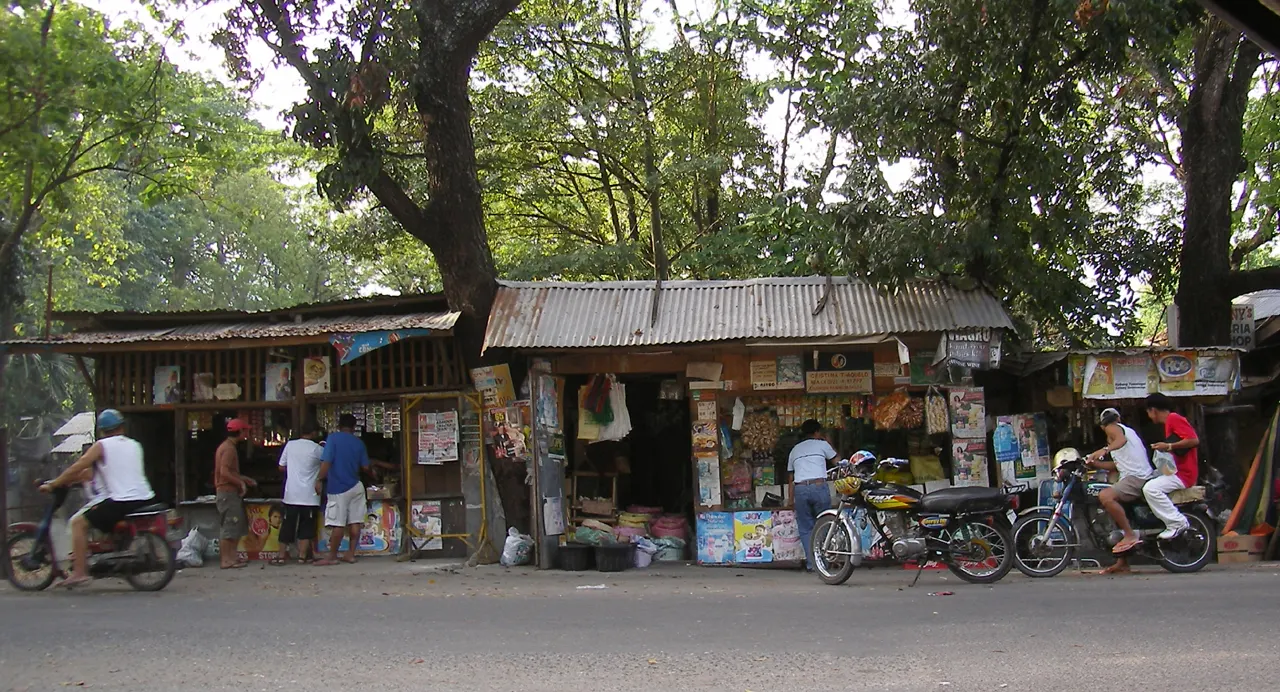
Walk down almost any street in the Philippines, from a city barangay to a farming village, and you will find a sari-sari store. Often run from the front window of a family home, it sells everything from cooking oil and instant noodles to mobile load and single pieces of candy. Its familiarity can make it easy to overlook, but the sari-sari store is one of the most important economic institutions in many neighbourhoods.
Buying small, by necessity
The defining feature of the sari-sari store is the small purchase. Shampoo, coffee, seasoning and detergent come in single-use sachets, and some items, like cooking oil or sugar, may be repacked into smaller portions. For households paid daily or weekly, or whose income varies, buying only what is needed for today is a practical way to manage cash. It also suits homes with little storage space.
The trade-off is that small packs often cost more per gram or per milliliter than larger ones bought at a supermarket. In effect, families with the least money can end up paying a premium for flexibility. This is not a failure of the store so much as a reflection of how the timing of income shapes spending.
In effect, families with the least money can end up paying a premium for flexibility.
Credit built on trust
Many sari-sari stores extend informal credit, often called utang or listahan, recorded in a notebook. A neighbour short on cash before payday can still take home rice or milk for the children and settle later. For households without access to formal credit, this arrangement can be a lifeline in emergencies.
For the store owner, credit is both a service and a risk. Unpaid balances tie up the money needed to restock, and refusing credit to a neighbour can strain relationships. Owners who last tend to balance compassion with firm limits, and the notebook becomes a careful record of trust within the community.
A livelihood and a hub
For the family that runs it, the sari-sari store is frequently a source of extra income that can be managed alongside childcare or other work. Startup costs can be modest compared with many other businesses, though margins are thin and competition from nearby stores and convenience chains can be stiff. Restocking typically means trips to wholesalers or a public market, or orders through distributors and newer digital ordering platforms.
The store is also a social space. It is where neighbours exchange news, where children are sent on errands, and where notices are passed around. In some areas, sari-sari stores have added services such as bills payment and e-wallet cash-in, extending their role in the local economy.
Pressures and what to watch
Sari-sari stores feel price changes quickly because they buy in small quantities and sell to price-sensitive customers. When the cost of basic goods rises, owners must decide whether to absorb part of the increase or pass it on, knowing that their customers are also their neighbours.
Rising wholesale prices squeeze margins already measured in centavos per item.
Expanding convenience store chains compete for the same foot traffic.
Digital payments and ordering apps create new opportunities but require some investment and know-how.
Growing attention to plastic sachet waste puts the packaging model the stores depend on under scrutiny.
Through all of this, the sari-sari store endures because it fits the rhythm of everyday life. It is close, it is flexible, and it knows its customers by name. Understanding how it works is a way of understanding how millions of Filipino households make ends meet.
Share this story
More stories

Your Electricity Bill, Decoded Line by Line
The charges on a monthly power bill tell a story about where electricity comes from and who handles it before it reaches your home.
· 3 min read
What Really Drives the Price of Rice on Your Table
From the farm to the palengke stall, the cost of the country's staple grain is shaped by weather, world markets and the many hands in between.
· 3 min read

Renting in the City or Commuting From the Province: Weighing the Real Costs
Rent is only one side of the equation, and time, fares, food and health all belong in the calculation for workers deciding where to live.
· 3 min read