
Renting in the City or Commuting From the Province: Weighing the Real Costs
Rent is only one side of the equation, and time, fares, food and health all belong in the calculation for workers deciding where to live.
By RapidPoll Consumer Desk · · 3 min read

For many workers in Metro Manila, Metro Cebu and Davao City, the question of where to live comes down to a familiar trade-off. Renting a room or a small unit near the office means paying city rents. Staying with family in a nearby province means lower housing costs, but long and sometimes exhausting daily commutes. Neither choice is automatically cheaper, and the right answer depends on more than the monthly rent.
Counting what rent leaves out
The most common mistake is comparing rent with fare alone. A fair comparison puts the full monthly cost of each option side by side. For renting in the city, that includes the rent itself, any advance and deposit required at the start, electricity and water, internet, and the cost of food when there is no family kitchen to share. For commuting, it includes fares or fuel, tolls and parking for those who drive, and the extra meals and snacks bought during long days away from home.
Upfront costs: deposits and advance rent can be a hurdle even when the monthly figure looks manageable.
Hidden utilities: sub-metered electricity in boarding houses may be priced by the landlord differently from a regular household bill.
Food: living with family often means shared ulam and fewer meals bought outside.
Transport resilience: commuters may need backup money for days when long queues, floods or breakdowns force a costlier route.
Time is also money
Hours spent in traffic or in line for a jeepney, bus or train have a value even if they never appear on a receipt. A long commute eats into sleep, rest, family time and the chance to take on extra work or study. Some workers find that a shorter commute lets them accept overtime or a side job that more than covers the higher rent. Others value the time with family in the province so much that the commute feels worth it.
Health belongs in the calculation too. Long daily travel in heat, rain and pollution can be draining, and chronic fatigue has real costs in productivity and well-being. On the other hand, crowded boarding houses with little privacy or ventilation carry their own strains.
A fair comparison puts the full monthly cost of each option side by side.
Middle paths worth considering
The choice is not always either-or. Some workers rent a bedspace or share a unit near the office during the work week and go home on weekends, combining lower housing costs with shorter weekday travel. Others arrange hybrid or compressed work schedules with employers, cutting the number of commuting days. Living near a reliable rail line, even if farther in distance, can sometimes be faster and more predictable than a shorter trip by road.
Before moving, it helps to test the plan. Try the commute at actual rush hour, not on a quiet weekend. Visit a prospective rental at night to check the surroundings, ask how utilities are billed, and read the contract terms on deposits and early termination carefully.
Making the decision
A simple approach is to write down the full monthly cost of each option, then add a short list of things that cannot be priced easily: sleep, safety, family obligations and stress. Seen together, the numbers and the intangibles usually point more clearly to an answer than rent alone ever could.
Circumstances also change. A promotion, a new baby, an aging parent or a new rail line can shift the balance, so the decision is worth revisiting from time to time. The best choice is the one a household can sustain month after month, not merely the one that looks cheapest on paper.
Share this story
More stories

Your Electricity Bill, Decoded Line by Line
The charges on a monthly power bill tell a story about where electricity comes from and who handles it before it reaches your home.
· 3 min read

What Really Drives the Price of Rice on Your Table
From the farm to the palengke stall, the cost of the country's staple grain is shaped by weather, world markets and the many hands in between.
· 3 min read
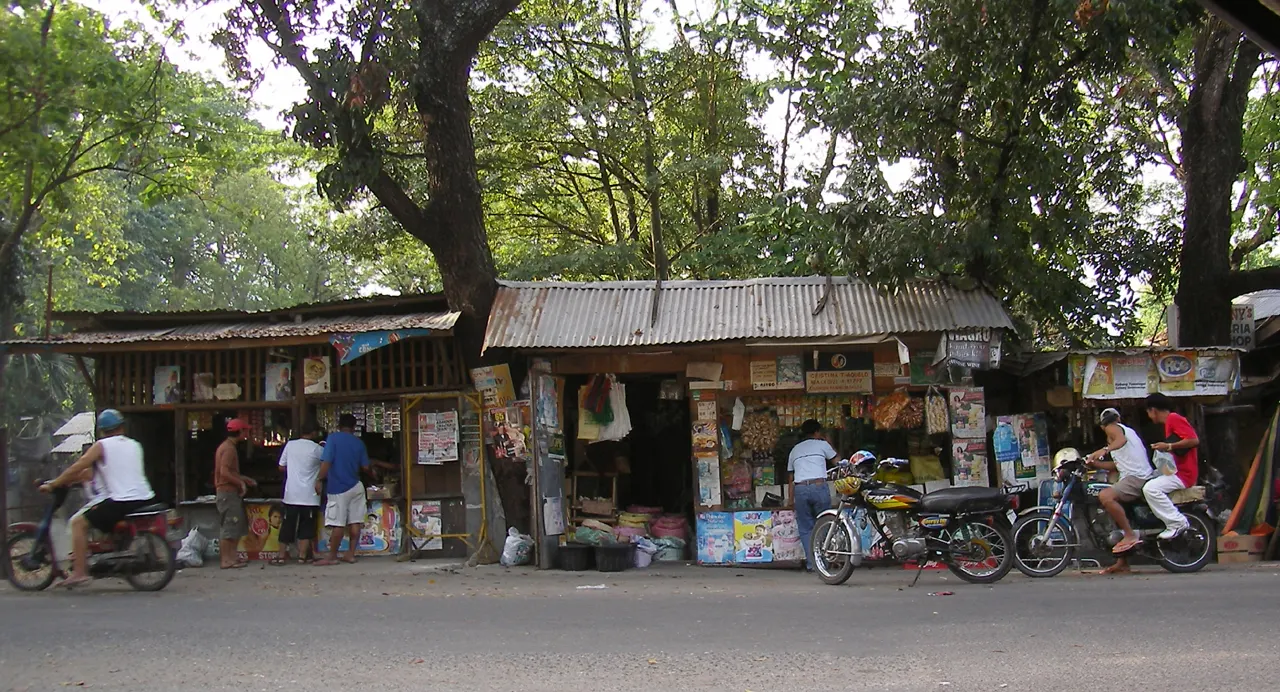
The Sari-Sari Store: A Small Shop With an Outsized Role
The corner store does more than sell snacks; it extends credit, shares news and keeps household budgets moving one small purchase at a time.
· 3 min read