
A Practical Guide to Planning a Multi-Modal Commute in Metro Manila
Combining trains, buses, jeepneys and walking can save time and stress, if you plan the transfers as carefully as the rides.
By RapidPoll Transport Desk · · 3 min read
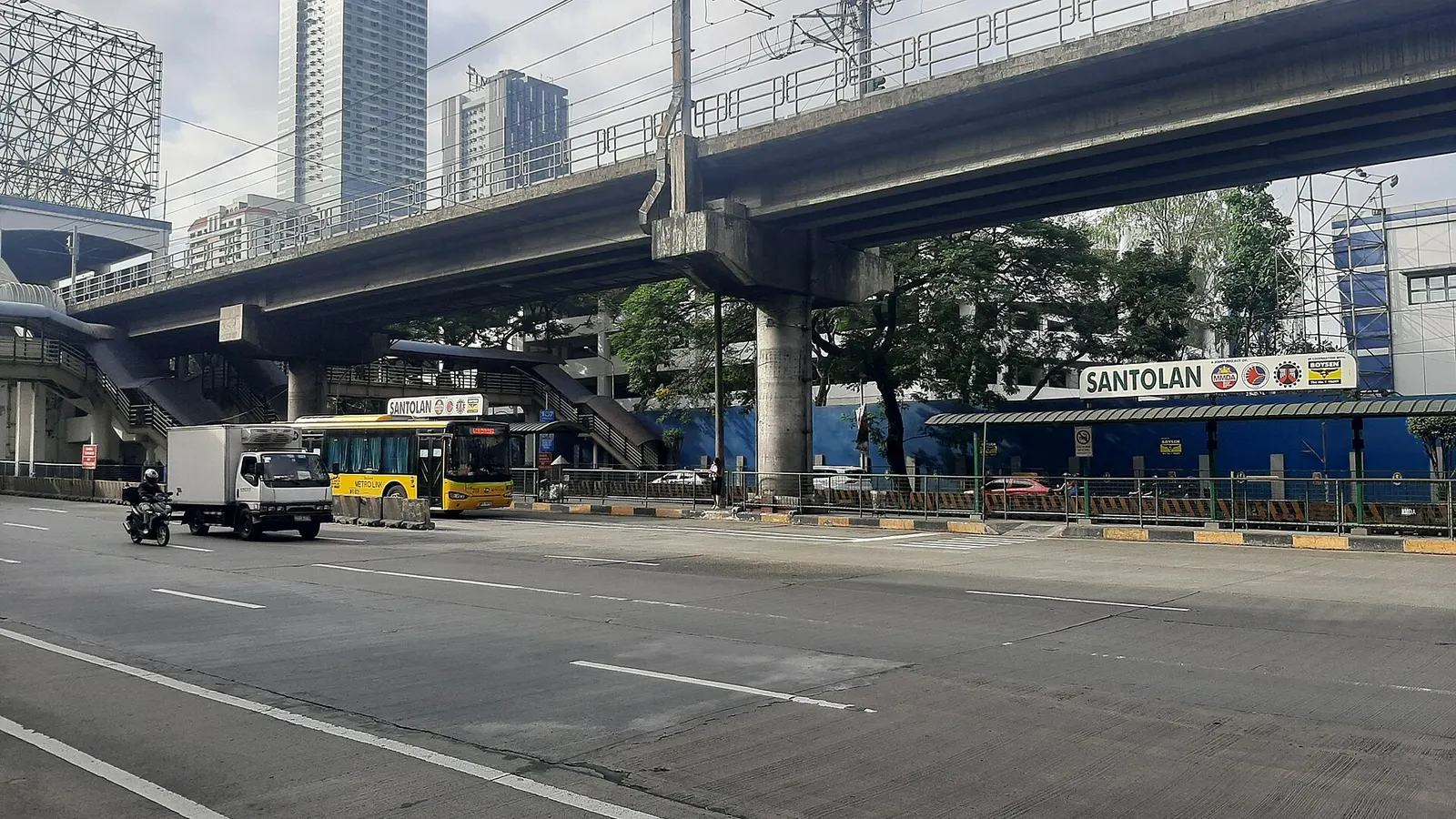
Very few commutes in Metro Manila involve a single ride. A typical trip might start with a walk or a tricycle to the main road, continue on a jeepney to a rail station, and end with a bus or another short ride to the office. Each leg has its own fare, its own waiting time and its own risk of delay. Planning the whole chain, rather than each ride separately, is often what separates a manageable commute from an exhausting one.
Know the backbone lines
The rail lines form the skeleton of the metro's mass transit. The MRT-3 runs along EDSA, the LRT-1 serves a north-south corridor through Manila and Pasay, and the LRT-2 runs east from the Recto area toward Marikina and Rizal. Where lines meet, transfer points let riders move from one to another, though transfers can involve long walks through connecting walkways.
The EDSA Carousel busway follows the same corridor as the MRT-3, using dedicated lanes. City buses, point-to-point buses and UV Express services fill other major corridors, while jeepneys cover the dense web of secondary roads. The Pasig River Ferry, where operating, offers an option that avoids road traffic altogether.
Plan around transfers, not rides
The most common mistake commuters make is estimating travel time by adding up ride durations. In practice, transfers are where time disappears: walking between stations, climbing stairs, queuing at ticket machines and security checks, and waiting for the next vehicle. During rush hours, the line to enter a busy station can take longer than the train ride itself.
A few habits can help:
Do a trial run on a weekend or off-peak day to learn station layouts, exits and walking routes.
Note at least one backup for each leg, such as a parallel jeepney line or a bus covering the same corridor.
Use a stored-value card where accepted to skip ticket lines, and keep coins and small bills ready for jeepneys and tricycles.
Check service advisories from rail operators and transport agencies before leaving, especially during heavy rain.
Timing and trade-offs
Leaving even slightly earlier can make a meaningful difference, since peak crowding tends to build quickly. Some commuters find that shifting their departure outside the busiest window shortens the trip and makes it more comfortable, even if it means arriving at work earlier than needed.
There are trade-offs between speed, cost and comfort. A point-to-point bus may cost more but involve fewer transfers. A chain of jeepney rides may be cheaper but slower and more exposed to traffic. Rail is often the fastest option over long distances but can be packed at peak hours. The right mix depends on what a commuter values most on a given day, and it may differ between the morning and evening trips.
Planning the whole chain, rather than each ride separately, is often what separates a manageable commute from an exhausting one.
Safety and comfort
Multi-modal commutes mean more time in crowded spaces and on sidewalks. Keep valuables secured and out of sight, especially in packed trains and at transfer points. The rail lines set aside designated sections for women, the elderly and persons with disabilities, which some riders prefer during busy hours. In the rainy season, carry an umbrella and be ready for flooded streets that can disrupt the road-based legs of a trip.
Navigation apps and online maps can help estimate routes, but local knowledge is still valuable. Jeepney routes are signed on the vehicles themselves, and asking a dispatcher or a fellow passenger remains a reliable way to confirm you are on the right ride.
A good commute plan is never fixed. Road works, schedule changes and new lines will reshape the options over time. Revisiting the route every few months, and staying open to alternatives, is the best way to keep the daily journey as predictable as Metro Manila allows.
Share this story
More stories
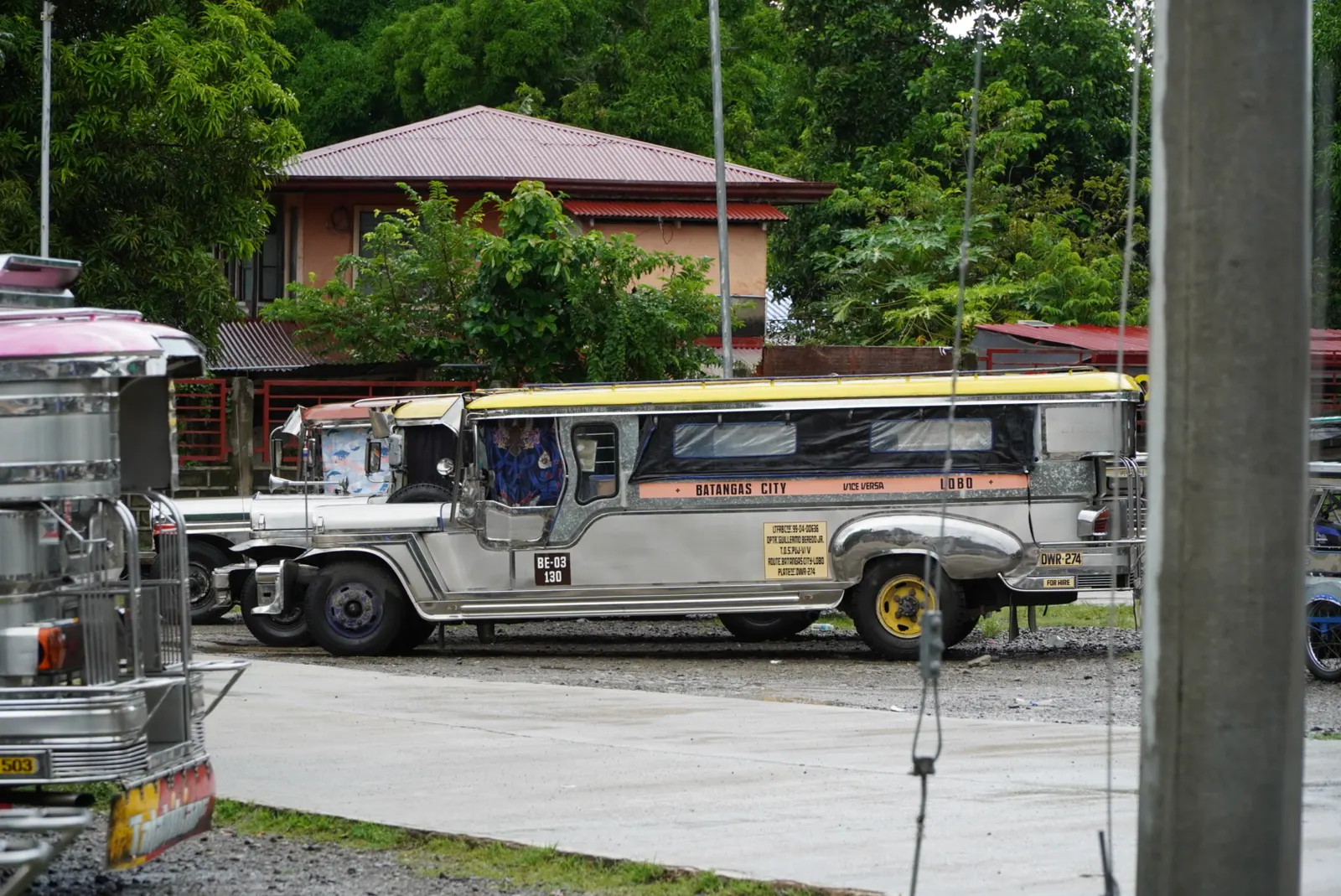
How Jeepney and Bus Fares Are Set, and Why Changes Take Time
Behind every fare adjustment is a regulatory process that weighs operator costs against what commuters can afford.
· 3 min read
What commuters told us about fares
Reliability, transfers and time count as much as the price of a ride.
· 1 min read
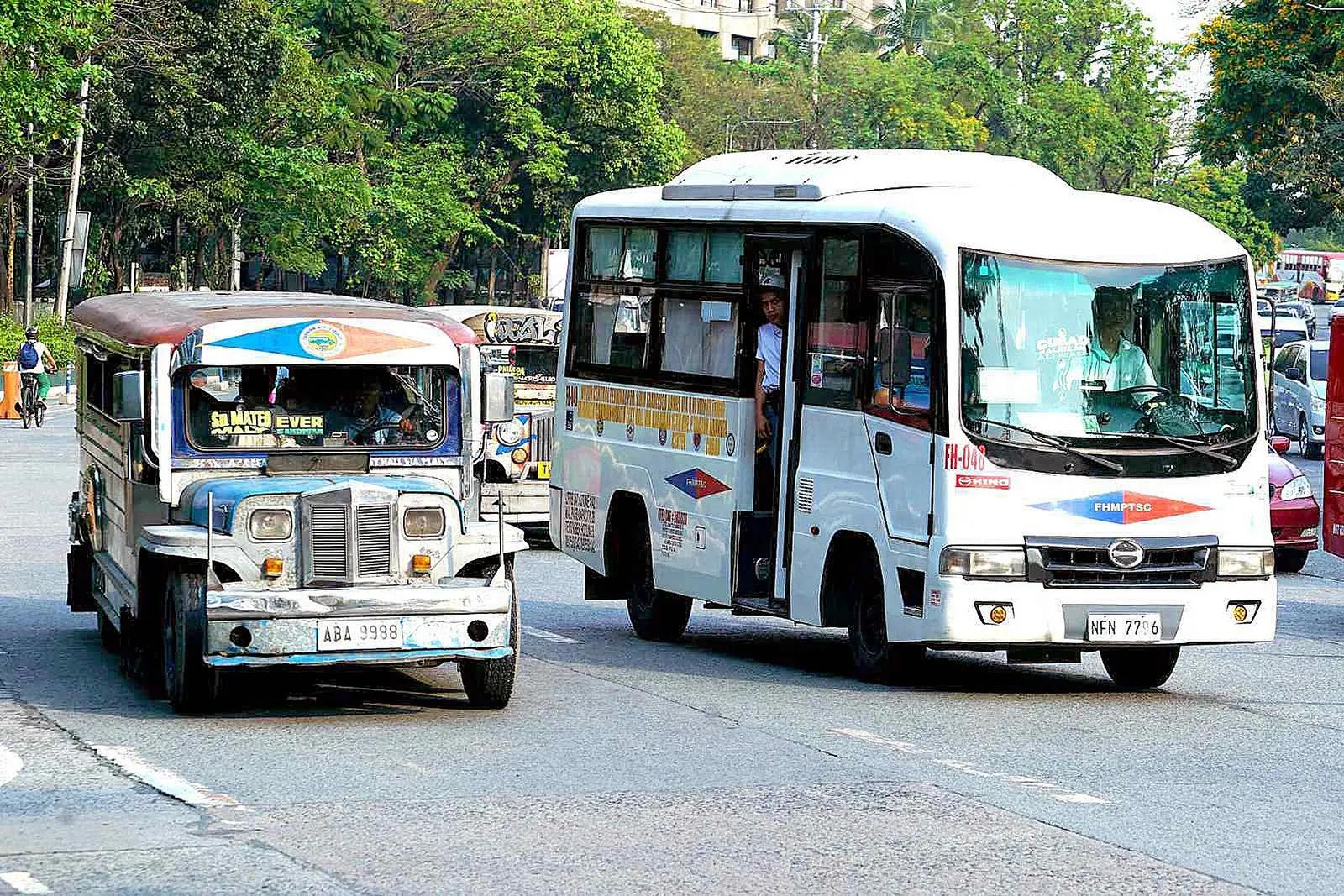
The Trade-offs at the Heart of PUV Modernization
Replacing aging jeepneys promises cleaner, safer rides, but the costs and risks fall unevenly on drivers, operators and riders.
· 3 min read