
Beyond the Blackboard: Why Teacher Workload Keeps Returning to the Agenda
Paperwork, extra duties, and large classes compete with teaching time in a debate that touches both labor and learning.
By RapidPoll Education Desk · · 3 min read
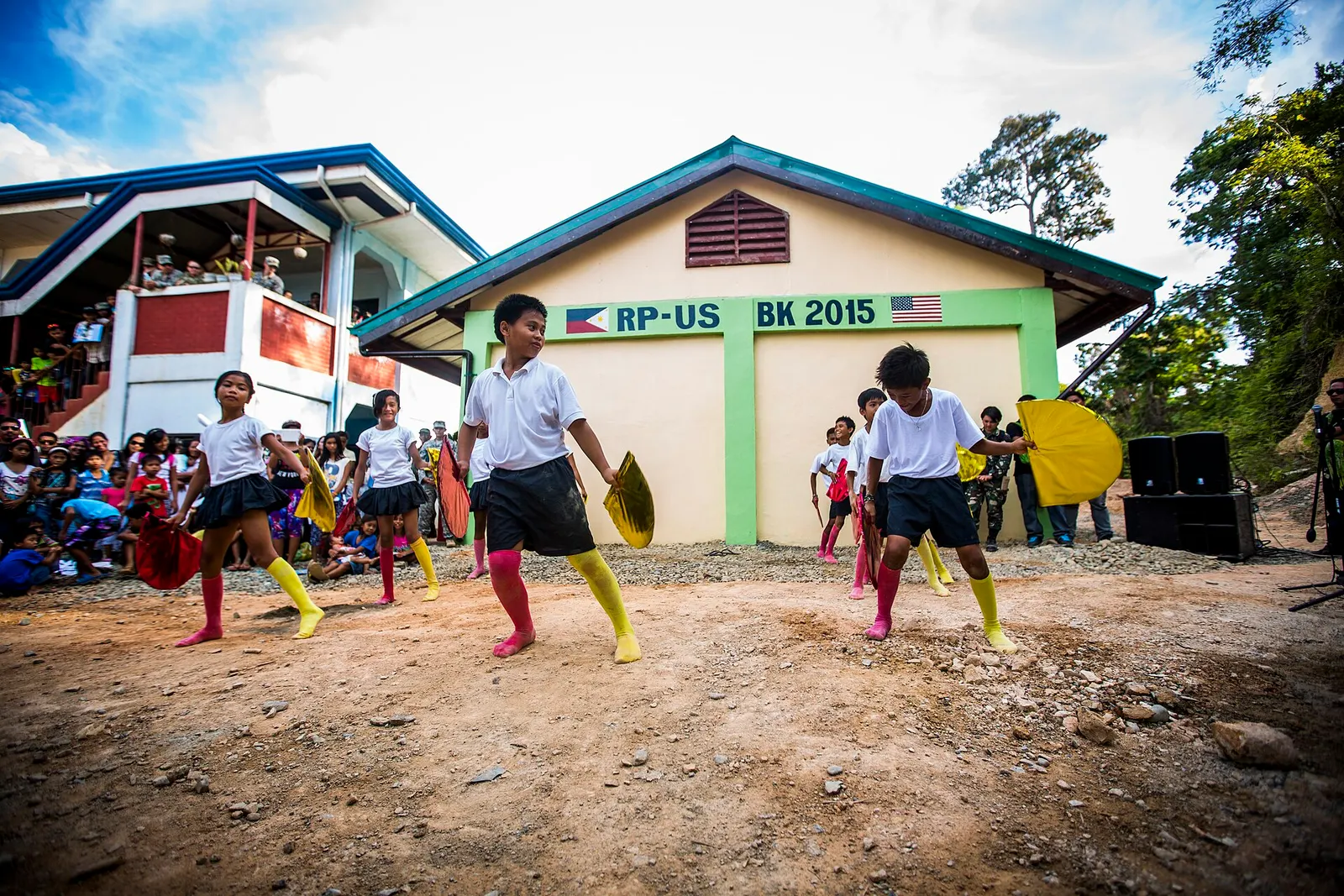
Ask almost any public school teacher in the Philippines what fills their day, and the answer will rarely be "teaching" alone. Lesson planning, checking papers, preparing reports, coordinating school events, encoding grades, managing classroom supplies, and attending meetings all compete for the same limited hours. The question of how much of that work teachers should carry has been debated for years, and it shows no sign of going away.
What the law sets out
The Magna Carta for Public School Teachers, enacted in the 1960s, has long been the reference point. It provides that teachers should not be required to render more than six hours of actual classroom teaching a day, with the rest of the workday meant for related work. The principle is straightforward: teaching requires preparation and follow-through, and that work takes time.
The difficulty lies in what counts as "related work." Over time, schools have absorbed responsibilities that go well beyond lesson preparation. Teachers may serve as coordinators for various programs, handle data collection for different offices, assist during community activities, and in some cases help with tasks tied to elections or disaster response. Each duty may be reasonable on its own. Together, they can crowd out the core job.
Why it matters for learners
The workload discussion is often framed as a labor issue, and it is one. But it is also a learning issue. A teacher who spends evenings on reports has less energy for designing lessons, giving feedback on student work, or spotting a learner who is quietly falling behind. Fatigue and burnout can push experienced teachers out of the profession or into other jobs, taking years of skill with them.
Class size compounds the problem. In crowded schools, a single teacher may handle several sections or very large classes, which multiplies the time needed for checking, recording, and following up with families. Reforms aimed at improving reading or mathematics can stall if the people expected to deliver them are already stretched thin.
Every hour spent on a duplicated form is an hour not spent with a struggling reader.
The trade-offs in proposed fixes
Several broad approaches tend to come up in discussions of teacher workload.
Hiring more non-teaching staff, such as administrative officers, so that clerical and logistical tasks move away from classroom teachers.
Streamlining reporting by reducing duplicate forms and consolidating data requests from different offices.
Clarifying in policy which tasks are core teaching duties and which are not.
Using digital systems to cut repetitive encoding, provided teachers have reliable devices and connectivity.
Each comes with trade-offs. Hiring support staff requires sustained funding, not a one-time allocation. Digital tools can reduce paperwork, but poorly designed systems can simply move the burden from paper to screens, especially in schools with weak internet. Removing tasks from teachers also means someone else must take them on, and in small schools there may be no one else on staff.
What to watch
For parents and communities, the practical signs of progress are fairly concrete: whether schools have dedicated administrative personnel, whether teachers report fewer non-teaching assignments, and whether class sizes are manageable. Teachers' organizations, school heads, and education officials have all weighed in over the years, and the details of policy continue to evolve.
The underlying principle is not especially controversial. Most people agree that teachers should spend their best hours on teaching. Every hour spent on a duplicated form is an hour not spent with a struggling reader. The harder question is how to fund and organize a system that makes that principle real in every classroom, from large city schools to small schools in remote barangays.
Share this story
More stories

Senior High School Tracks, Explained: Choosing a Path After Grade 10
Academic, technical-vocational, sports, and arts tracks lead to different doors, and choosing well starts with honest questions.
· 3 min read
When Classes Open: How the School Calendar Shapes Filipino Family Life
From summer heat to typhoon season, the timing of the school year ripples through household budgets, work, and learning.
· 3 min read
Catching Up: How Learning Recovery and Reading Programs Work
Reading underpins every other subject, which is why learning recovery efforts begin with finding where each child actually is.
· 3 min read