
Senior High School Tracks, Explained: Choosing a Path After Grade 10
Academic, technical-vocational, sports, and arts tracks lead to different doors, and choosing well starts with honest questions.
By RapidPoll Education Desk · · 3 min read
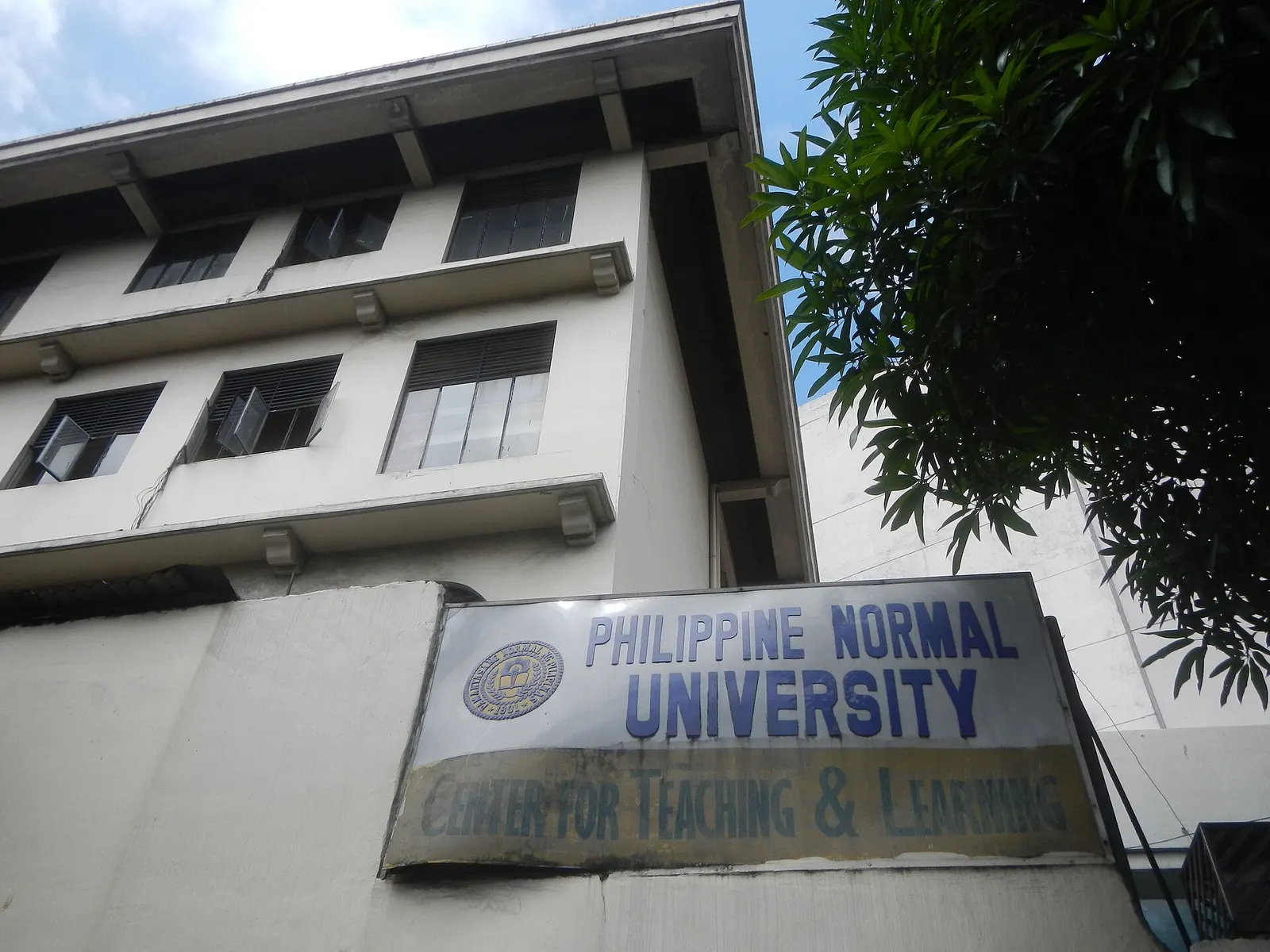
For many Filipino families, the end of Grade 10 brings a decision that earlier generations never had to make. Before the K to 12 program, students finished high school after fourth year and moved straight to college, work, or vocational training. The reform added two years of senior high school, Grades 11 and 12, and with them came a menu of tracks and strands that can feel confusing to parents who went through the old system.
The idea behind the tracks is simple enough. Senior high school is meant to give students a head start on what comes next, whether that is university, employment, entrepreneurship, or further skills training. Instead of one uniform curriculum, learners take a set of core subjects shared by everyone, plus specialized subjects tied to the path they choose.
The four main tracks
Senior high school has generally been organized around four tracks.
Academic: for students who plan to go to college. It is divided into strands such as STEM (Science, Technology, Engineering, and Mathematics), ABM (Accountancy, Business, and Management), HUMSS (Humanities and Social Sciences), and GAS (General Academic Strand).
Technical-Vocational-Livelihood (TVL): focused on practical skills in areas such as home economics, information and communications technology, agri-fishery arts, and industrial arts, often aligned with national skills certification.
Sports: for learners with athletic ability who want to build on it through coaching, sports science, and related subjects.
Arts and Design: for students drawn to visual, media, performing, and creative arts.
Not every school offers every track or strand. A small public school in a rural municipality may offer only one or two options, while larger schools in cities may offer most of them. For many students, what is available within commuting distance shapes the choice more than personal preference does.
How to think about the choice
Guidance counselors often encourage students to start with three questions. What subjects do I enjoy and do well in? What do I want to be doing after Grade 12? And what is actually available near home?
For students aiming at a particular college course, it helps to look at the program's admission expectations early. Some college programs prefer particular strand backgrounds, while others accept graduates from any strand but may require bridging subjects. Families can ask their target colleges directly rather than relying on hearsay from relatives or classmates.
For students who want to work soon after graduation, or who need to help support the household, a TVL track can offer a more direct route to employable skills. Assessment for national certificates, where available, can give graduates something concrete to show employers.
The best strand is not the one with the most prestige, but the one a student can finish with confidence and use afterward.
Common worries, and what to watch
A frequent concern is that choosing the "wrong" strand locks a student out of their dream course. In practice, switching paths is often possible, though it may cost time or require extra subjects. It is a real trade-off, but rarely a permanent dead end.
Another worry is cost. Public senior high schools are free, and government voucher assistance has helped some students enrolled in qualifying private schools. Families should still budget for transportation, projects, uniforms, and work immersion requirements, which can add up over two years.
Senior high school has also been the subject of ongoing review, with policymakers and educators debating how to make the two extra years more useful and less congested. Parents and students should check with their school each year for any changes in subject offerings or requirements.
Ultimately, the decision belongs to the student, supported by family and teachers. The best strand is not the one with the most prestige, but the one a student can finish with confidence and use afterward.
Share this story
More stories
Beyond the Blackboard: Why Teacher Workload Keeps Returning to the Agenda
Paperwork, extra duties, and large classes compete with teaching time in a debate that touches both labor and learning.
· 3 min read
When Classes Open: How the School Calendar Shapes Filipino Family Life
From summer heat to typhoon season, the timing of the school year ripples through household budgets, work, and learning.
· 3 min read
Catching Up: How Learning Recovery and Reading Programs Work
Reading underpins every other subject, which is why learning recovery efforts begin with finding where each child actually is.
· 3 min read