
Catching Up: How Learning Recovery and Reading Programs Work
Reading underpins every other subject, which is why learning recovery efforts begin with finding where each child actually is.
By RapidPoll Education Desk · · 3 min read
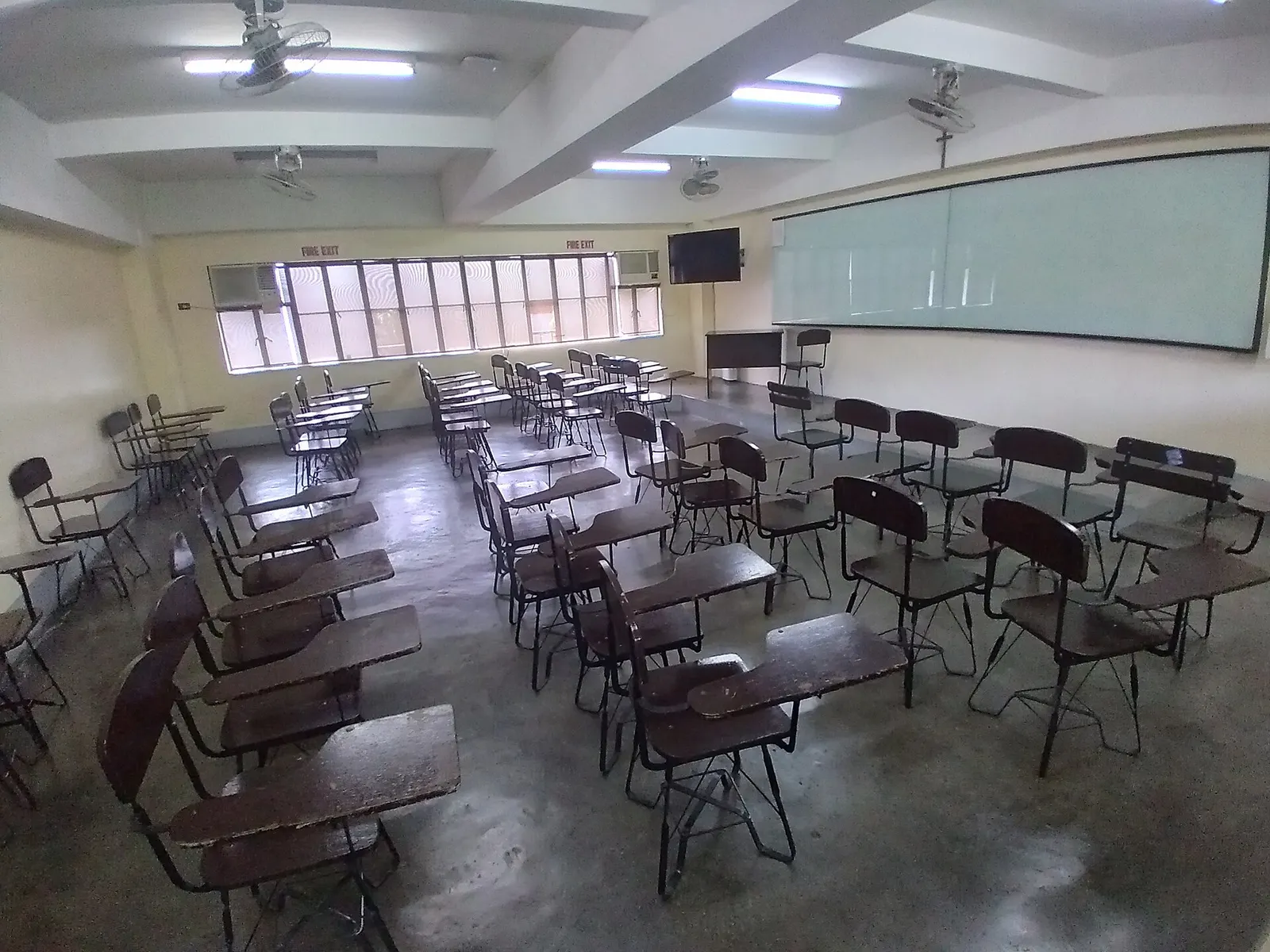
Reading is the skill that unlocks every other subject. A student who struggles to read a word problem will struggle in mathematics. A learner who cannot follow a science text will fall behind in science, no matter how curious they are. This is why, after years of disrupted schooling, much of the conversation about learning recovery in the Philippines has centered on literacy.
What learning recovery means
Learning recovery refers to deliberate efforts to help students regain skills they should have developed but did not, often because of interrupted classes, limited access to teachers, or difficulties with remote learning. The long school closures during the pandemic, when many students relied on printed modules at home, made these gaps more visible. But gaps existed before that too, and they are not limited to any one region.
Recovery is different from simply moving through the regular curriculum faster. It usually begins with finding out where each learner actually is, then teaching from that point, rather than from where the textbook says they should be.
How reading programs typically work
School-based reading programs vary, but many share a few common features.
Assessment: teachers check each student's reading level, often through short one-on-one reading tasks that look at word recognition, fluency, and comprehension.
Grouping by level: learners with similar needs are grouped together so instruction matches their skills rather than their grade alone.
Regular, focused practice: short daily reading sessions, sometimes in a dedicated period, help build fluency over time.
Progress tracking: students are reassessed periodically so teachers can adjust support.
Language is an important part of the picture. Many Filipino children grow up speaking a regional language at home, then learn Filipino and English in school. Research on early literacy generally suggests that children learn to read more easily in a language they already understand, and then carry those skills over to other languages. How best to balance languages in the early grades has been an active topic of policy debate.
The challenges
Reading recovery sounds simple on paper, but it competes with real constraints. Teachers need time for individual assessment, which is difficult with large classes. Schools need enough age-appropriate, engaging reading materials, ideally in languages children understand. Some learners also face issues beyond the classroom, such as hunger, undetected vision problems, or unstable home situations, that make concentration difficult.
There is also pressure to show quick results. Reading growth is often gradual, and programs that are abandoned too early may never show their full effect.
Reading growth is often gradual, and programs that are abandoned too early may never show their full effect.
How families can help at home
Parents and guardians do not need to be teachers to support a young reader. Small, consistent habits can make a difference.
Read aloud together, even for a few minutes a day, in whatever language the family speaks most comfortably.
Talk about stories: ask what happened, what a character felt, or what might happen next.
Let children see adults reading, whether newspapers, recipes, or the labels on products at the sari-sari store.
Visit a barangay reading center or public library when one is available.
Stay in touch with the teacher and ask about the child's reading level and how to help.
Learning recovery is not a single program or a single school year. It is a sustained effort, shared by schools, families, and communities, to make sure that every child can read with understanding, because nearly everything else they learn depends on it.
Share this story
More stories

Senior High School Tracks, Explained: Choosing a Path After Grade 10
Academic, technical-vocational, sports, and arts tracks lead to different doors, and choosing well starts with honest questions.
· 3 min read
Beyond the Blackboard: Why Teacher Workload Keeps Returning to the Agenda
Paperwork, extra duties, and large classes compete with teaching time in a debate that touches both labor and learning.
· 3 min read
When Classes Open: How the School Calendar Shapes Filipino Family Life
From summer heat to typhoon season, the timing of the school year ripples through household budgets, work, and learning.
· 3 min read