
When Classes Open: How the School Calendar Shapes Filipino Family Life
From summer heat to typhoon season, the timing of the school year ripples through household budgets, work, and learning.
By RapidPoll Newsroom · · 3 min read
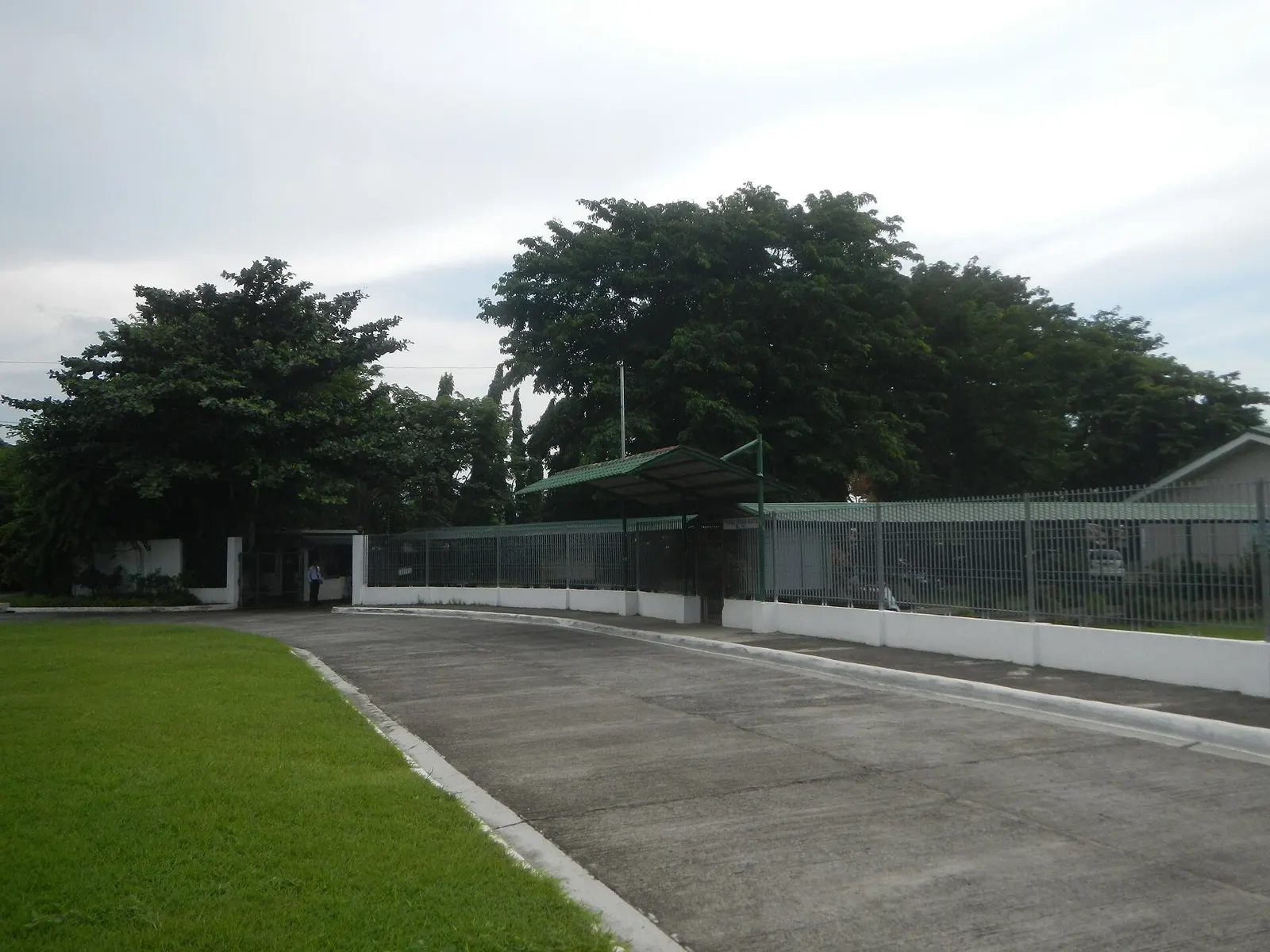
In many Filipino homes, the year does not really begin in January. It begins when classes open. The school calendar decides when families buy uniforms and notebooks, when relatives visit, when older children can help in the family business or on the farm, and when parents can plan a trip back to the province. Because of this, debates about when the school year should start and end are never only about education.
A calendar shaped by climate
For decades, public schools in the Philippines generally opened in June and ended around March, leaving April and May as the long summer break. That arrangement placed vacation in the hottest and driest months, but it also meant the first part of the school year overlapped with the rainy and typhoon season. Class suspensions due to storms and flooding became a familiar part of the school year in many regions.
During the pandemic years, the opening of classes moved later, and the long break shifted with it. Many students and teachers then experienced in-person classes during the peak of the hot dry season, when classrooms without adequate ventilation could become uncomfortable and, at times, unsafe for learning. Since then, the calendar has been adjusted back toward the older pattern.
The episode highlighted something easy to overlook: there is no perfect month. Every option trades one climate risk for another.
Ripples through the household
The calendar affects family budgets in ways that are easy to underestimate. School opening means spending on supplies, uniforms, shoes, and transportation, often all at once. When that spending falls close to other major expenses, or during the months when a household's income is lowest, the pressure grows.
It also shapes work. Families that rely on seasonal income, such as farming or fishing households, may depend on children's help during particular months. Families with an overseas Filipino worker often time home visits around school breaks. Working parents in cities must arrange childcare when classes are suspended or when breaks do not match their own leave.
A school calendar is, in effect, a schedule that millions of households quietly build their lives around.
Learning time and lost days
From a learning perspective, the central concern is how many days students actually spend in class. Suspensions for typhoons, floods, extreme heat, and other emergencies can chip away at instruction time. Schools often respond with make-up classes, printed learning materials, or adjusted lesson pacing, but these rarely fully replace face-to-face teaching.
This is why discussions of the calendar increasingly connect to infrastructure. Better ventilated classrooms, flood-resilient buildings, and reliable plans for alternative delivery during disruptions can matter as much as the choice of opening month. A well-timed calendar cannot compensate for a classroom that floods every rainy season.
What families can consider
While the national calendar is set by education authorities, families can take some practical steps.
Spread school purchases over the months before opening rather than buying everything in the final week.
Follow official class suspension announcements from the school and the local government, rather than relying on forwarded messages.
Ask the school how it plans to make up lost class days, and what learning materials are available during disruptions.
Coordinate with relatives or neighbors on childcare arrangements for suspension days before the rainy season begins.
A school calendar is, in effect, a schedule that millions of households quietly build their lives around. Whatever form it takes, the most useful calendar is one that is predictable, announced early, and paired with real plans for the disruptions that a tropical archipelago will always face.
Share this story
More stories
Senior High School Tracks, Explained: Choosing a Path After Grade 10
Academic, technical-vocational, sports, and arts tracks lead to different doors, and choosing well starts with honest questions.
· 3 min read
Beyond the Blackboard: Why Teacher Workload Keeps Returning to the Agenda
Paperwork, extra duties, and large classes compete with teaching time in a debate that touches both labor and learning.
· 3 min read
Catching Up: How Learning Recovery and Reading Programs Work
Reading underpins every other subject, which is why learning recovery efforts begin with finding where each child actually is.
· 3 min read