
Why Small Businesses Still Struggle to Borrow, and What Could Change
Micro, small and medium enterprises drive Philippine employment, yet many still rely on informal lenders to grow or survive.
By RapidPoll Business Desk · · 3 min read
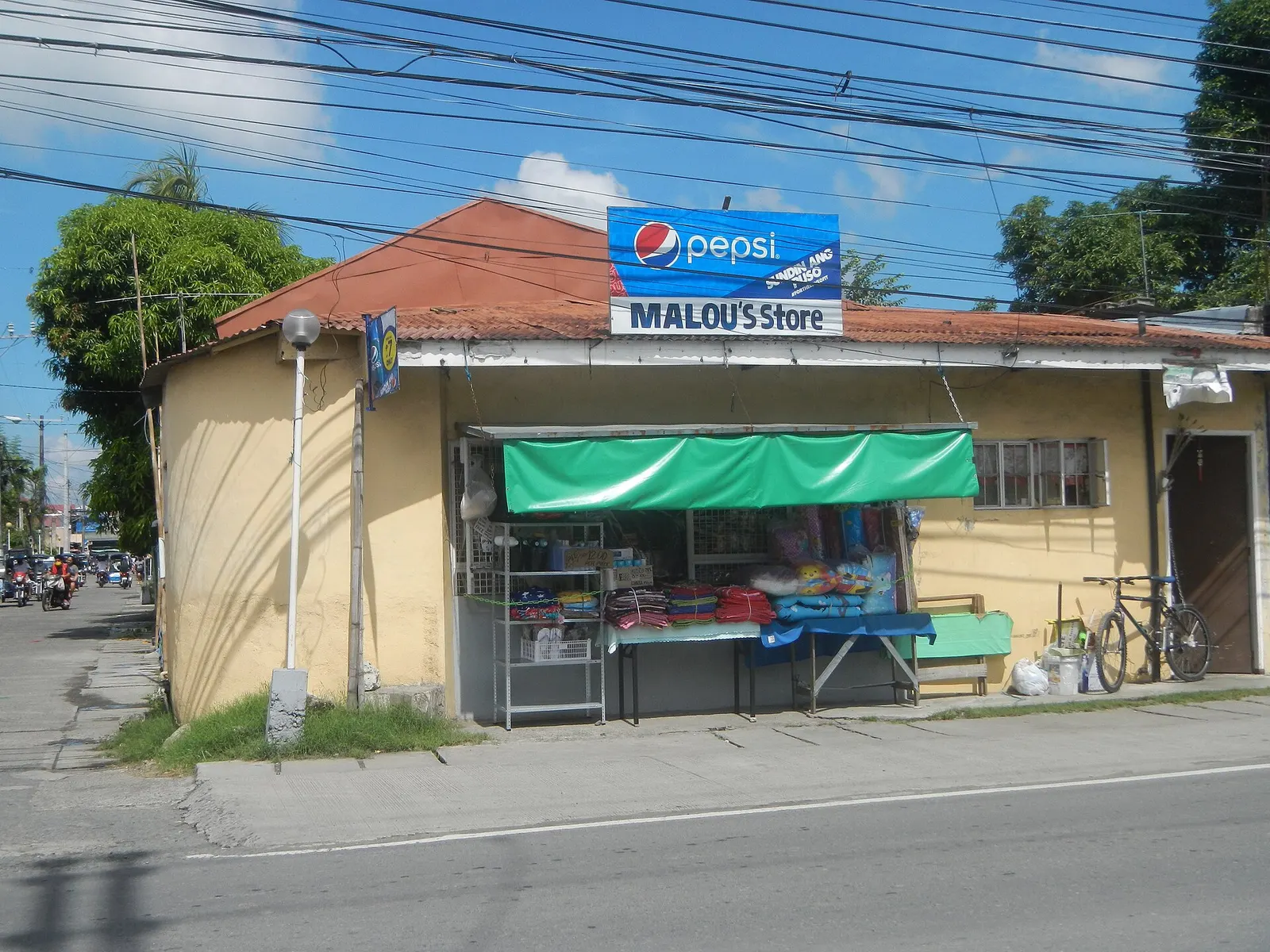
From sari-sari stores and carinderias to repair shops, online sellers and small manufacturers, micro, small and medium enterprises make up the overwhelming majority of businesses in the Philippines and employ a large share of the workforce. Yet for many of them, getting a formal loan remains difficult. Understanding why helps explain both the persistence of informal lending and the efforts to change it.
The credit gap
Banks lend based on their assessment of risk, and small businesses often look risky on paper. Many operate informally, without business registration, audited financial statements or complete tax records. Owners may mix household and business money in the same pocket or account. Without documented income, lenders struggle to judge whether a loan can be repaid.
Collateral is another barrier. Traditional lending often requires real estate as security, which many small entrepreneurs, particularly renters and younger owners, do not have. The amounts micro businesses need are also small relative to what it costs a bank to evaluate and service a loan, which makes such lending less attractive.
As a result, many entrepreneurs turn to informal sources: relatives, supplier credit, or informal lenders whose arrangements, often called five-six, are quick and require little paperwork but carry very high effective interest. Easy access comes at a steep cost, and debt can trap businesses rather than help them grow.
Easy access comes at a steep cost, and debt can trap businesses rather than help them grow.
Efforts to close the gap
Policymakers have tried several approaches over the years. Laws and regulations have encouraged banks to lend to small businesses, and government financial institutions run loan programs aimed at micro and small enterprises, sometimes with more flexible requirements. Microfinance institutions and cooperatives serve many borrowers who fall outside traditional banking.
Credit information is also part of the solution. A central credit registry allows lenders to see borrowers' repayment histories, so an owner who has repaid small loans reliably can build a record that supports larger borrowing later. Rules that allow movable assets, such as equipment, inventory or receivables, to serve as collateral aim to reduce dependence on land titles.
Digital finance is changing the picture further. E-wallets, digital banks and online lending platforms can assess borrowers using transaction data, such as sales received through digital payments, rather than relying only on traditional documents. This can open doors for sellers with no formal credit history, though it also raises concerns about data privacy, aggressive collection practices and over-indebtedness that regulators have had to address.
What small business owners can consider
For entrepreneurs, a few steps can improve access to formal credit over time:
Register the business and keep basic records of sales, expenses and inventory.
Separate business and personal finances, ideally with a dedicated account.
Use digital payments where practical, since transaction histories can support loan applications.
Start with small formal loans and repay them reliably to build a credit record.
Compare the total cost of borrowing, including fees, rather than only the stated interest rate.
Confirm that a lender is registered with the proper regulator before signing anything.
The bigger picture
Access to credit is only one part of what small businesses need. Training in financial management, access to markets, reliable infrastructure and simpler permit processes all affect whether a loan leads to growth. A well-timed loan can help a business buy equipment, stock up ahead of a busy season or survive a difficult month. A poorly matched loan can sink it.
Because small enterprises are so central to jobs and livelihoods, improving their access to fair and appropriate credit is one of the more practical ways to make economic growth reach more Filipino households.
Share this story
More stories
How Inflation Is Measured, and Why It Feels Different at Home
The official inflation rate tracks a national basket of goods, but every household fills its own basket differently.
· 3 min read
Remittances: The Lifeline That Shapes Households and the Peso
Money sent home by Filipinos abroad supports family budgets, steadies the currency and influences the wider economy in ways often overlooked.
· 3 min read
Reading the Peso Exchange Rate: A Plain-Language Guide
What it means when the peso strengthens or weakens, what moves it, and how it reaches everyday prices and family finances.
· 3 min read