
Remittances: The Lifeline That Shapes Households and the Peso
Money sent home by Filipinos abroad supports family budgets, steadies the currency and influences the wider economy in ways often overlooked.
By RapidPoll Business Desk · · 3 min read
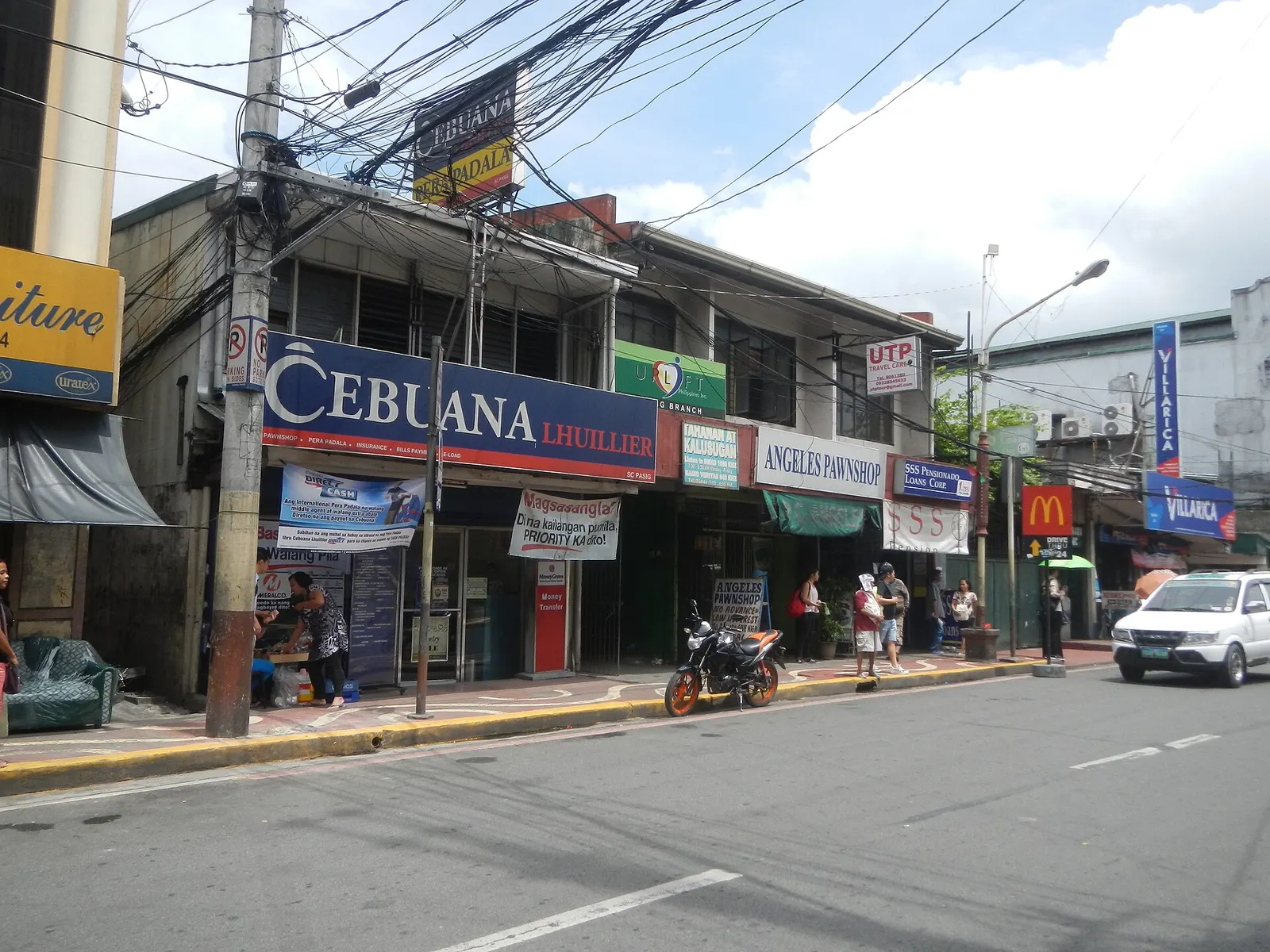
For millions of Filipino families, a remittance is not an abstract economic figure. It is tuition paid on time, a hospital bill settled, a house slowly built room by room, or a small store stocked for the month. Overseas Filipino workers and Filipinos living abroad send money home through banks, money transfer companies and digital channels, and those flows have become one of the steadiest pillars of the Philippine economy.
Inside the household
At the household level, remittances mainly fund consumption: food, utilities, education, health care and housing. In many communities they also finance investments such as home construction, tricycles or motorcycles for livelihood, farm inputs and small businesses.
This support can lift families out of poverty and cushion them against shocks like illness, crop failure or job loss at home. But it can also create dependence. When a family's budget is built entirely around a monthly transfer, any disruption, such as a contract ending, a layoff abroad or an emergency in the host country, can quickly create hardship.
Financial advisers often encourage families receiving remittances to set aside savings, build an emergency fund and consider income-generating uses, so that the support outlasts the worker's time abroad. Financial literacy programs for overseas workers and their families exist largely for this reason.
Remittances and the peso
Remittances arrive mainly in foreign currencies, especially US dollars, and are converted into pesos for spending at home. This steady inflow adds to the supply of foreign currency in the local market, which tends to support the peso. It also contributes to the country's foreign exchange reserves and helps pay for imports.
The exchange rate, in turn, affects what families receive. When the peso weakens against the dollar, each dollar sent home converts into more pesos, which can feel like a windfall. When the peso strengthens, the same dollar remittance buys less at home. Seasonal patterns are common too, with remittances typically rising ahead of the Christmas season and the start of the school year.
A weaker peso is not purely good news even for remittance-receiving families. It often raises the cost of imported goods, including fuel, which can push up prices at home and eat into the benefit of a better conversion rate.
A weaker peso is not purely good news even for remittance-receiving families.
The wider economy
Because remittances fuel household spending, they support retail, real estate, education and services across the country. They help sustain demand even when other parts of the economy are weak. Economists generally regard them as relatively stable compared with other foreign inflows, since workers tend to keep sending money during difficult times, and sometimes send more when families at home face hardship.
Yet heavy reliance on remittances raises long-term questions. Working abroad often reflects limited opportunities at home, and the social costs of family separation are significant. A strong remittance economy can also mask the need to create quality jobs domestically. Many policy discussions focus on how to channel remittances into productive investment and how to expand opportunities so that working abroad becomes a choice rather than a necessity.
What to watch
Economic conditions in major host countries, which affect overseas employment and wages.
Transfer costs and the growth of digital channels, which influence how much of each remittance actually reaches families.
Exchange rate movements and their effect on household purchasing power.
Programs that help returning workers reintegrate and invest their savings wisely.
Remittances will likely remain central to Philippine household finances for years to come. Understanding how they connect kitchen-table budgets with the national currency helps explain why news about the global economy so often lands close to home.
Share this story
More stories
How Inflation Is Measured, and Why It Feels Different at Home
The official inflation rate tracks a national basket of goods, but every household fills its own basket differently.
· 3 min read

Reading the Peso Exchange Rate: A Plain-Language Guide
What it means when the peso strengthens or weakens, what moves it, and how it reaches everyday prices and family finances.
· 3 min read
Why Small Businesses Still Struggle to Borrow, and What Could Change
Micro, small and medium enterprises drive Philippine employment, yet many still rely on informal lenders to grow or survive.
· 3 min read