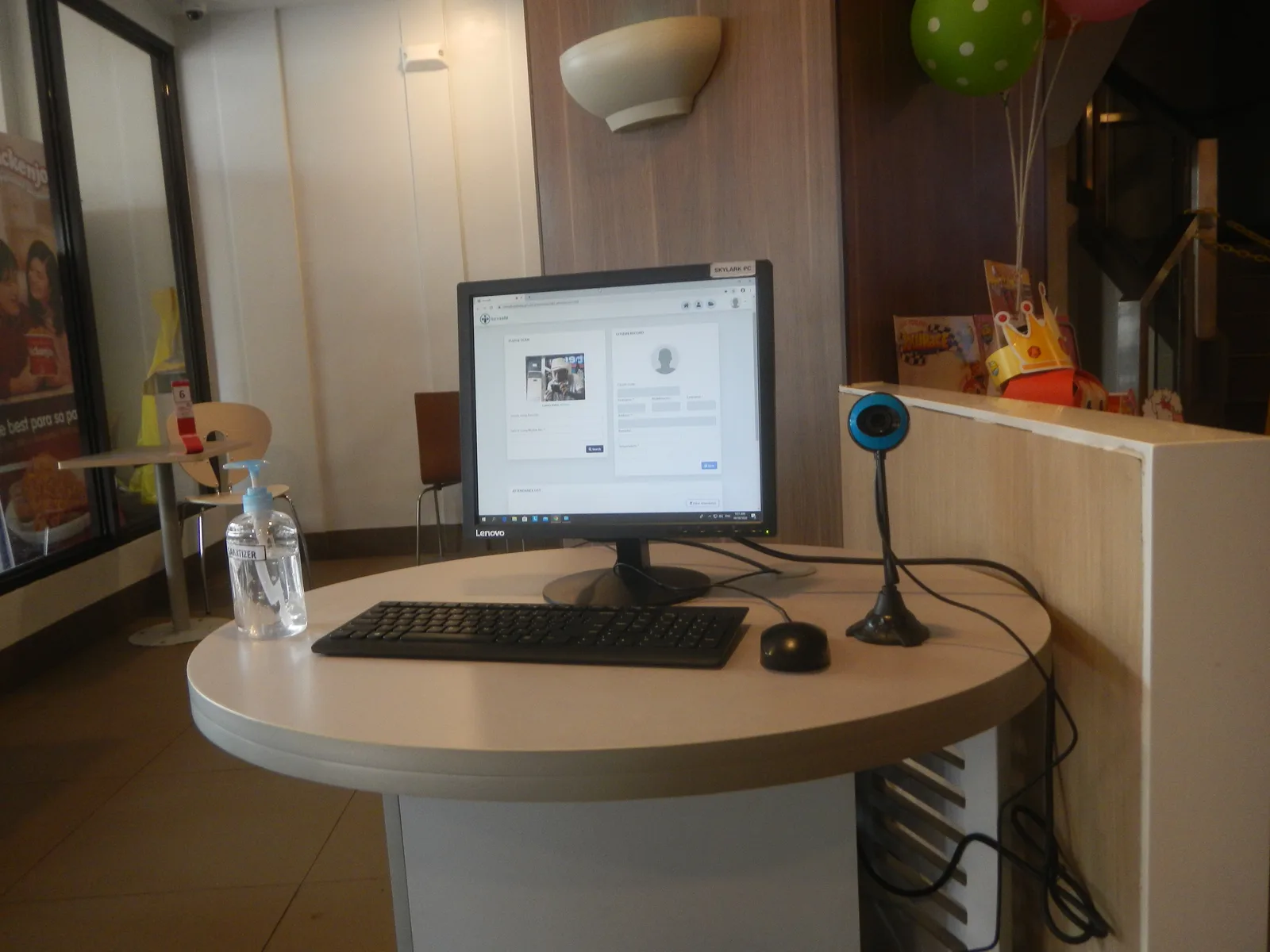
A security guard asks for an ID and a signature in a logbook. An app wants access to contacts before it will open. A raffle form asks for a birthday, an address and a mobile number. Filipinos hand over personal information many times a day, usually without a second thought. The Data Privacy Act of 2012 was written for exactly these moments, and it gives ordinary people more say than most realize.
What counts as personal data
Personal information is anything that identifies a person or could reasonably be used to do so: a name, an address, a phone number, a photograph, an account number. The law singles out a narrower group as sensitive personal information, including health records, government-issued numbers, and details about a person's age, marital status, religion or education. Sensitive information may be processed only under stricter conditions, because its exposure can do more harm.
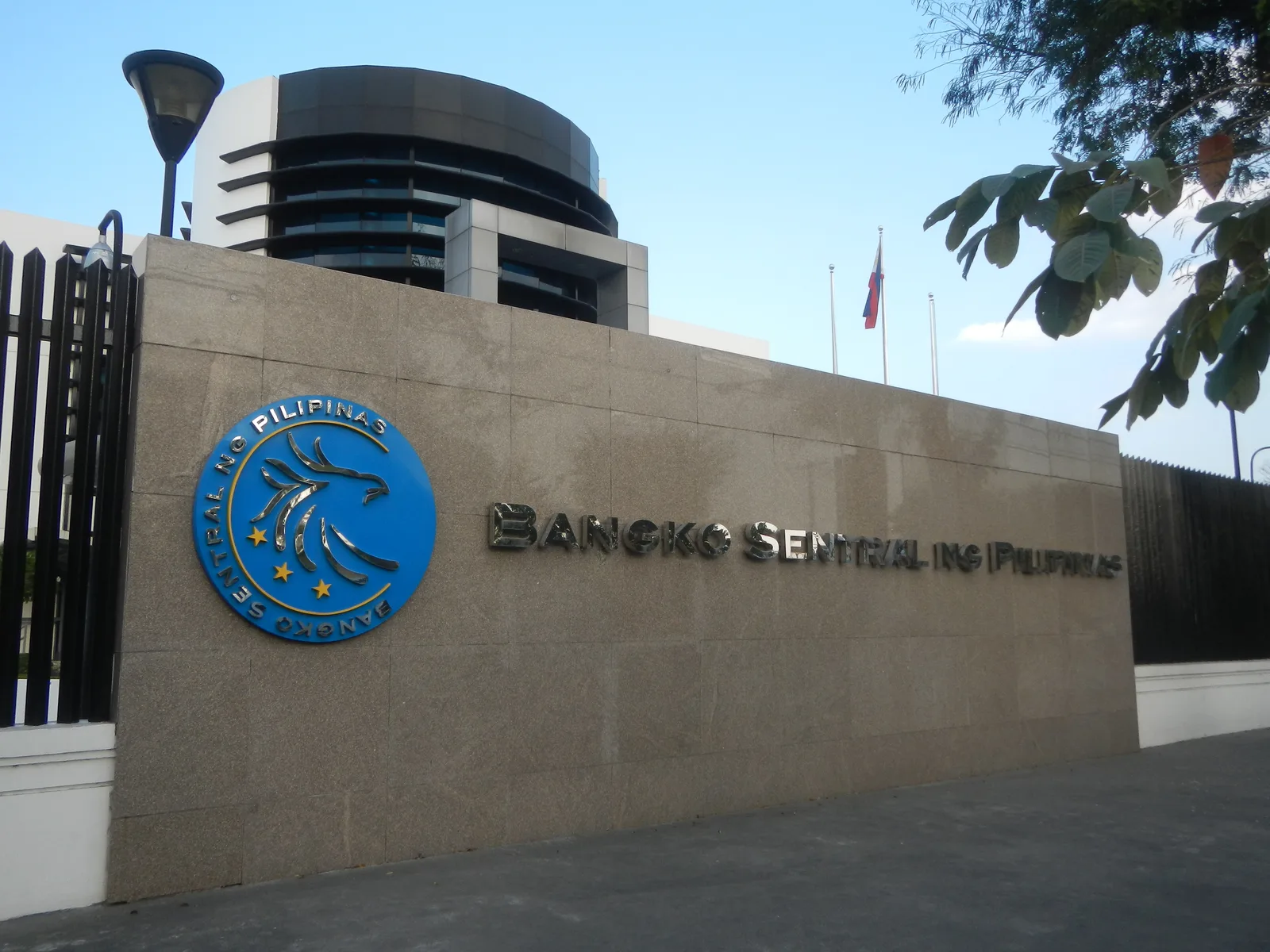
The law applies to companies, schools, hospitals, government offices and other organizations that collect and use such data, whether on paper or in a database. It also created the National Privacy Commission, the agency that issues rules, handles complaints and investigates breaches.
Three principles for anyone who collects data
- Transparency: people should be told what is being collected, why, how it will be used and who will receive it.
- Legitimate purpose: the reason must be lawful and declared, not invented after the data is already in hand.
- Proportionality: only what is needed for that purpose should be collected, and it should not be kept longer than necessary.
Seen this way, many everyday requests look different. A delivery needs an address; it does not need a birthday. A building may record who enters; it does not need to keep a visitor's ID. Asking why a piece of information is required is not rudeness. It is the question the law expects organizations to be able to answer.
Asking why a piece of information is required is not rudeness.
The rights of a data subject
The person the data is about is called the data subject, and the law lists what that person may do.
- Be informed that their data is being collected and processed.
- Access the data an organization holds about them.
- Have errors corrected.
- Object to processing, and withdraw consent that was given earlier.
- Have data erased or blocked when it is no longer needed or was unlawfully obtained.
- Obtain a copy of their data in a commonly used electronic format.
- Claim damages and file a complaint when their rights are violated.
These rights have limits. An employer, a bank or a government agency may be required by another law to keep certain records, and consent is only one of several lawful grounds for processing. But the default has shifted. The organization, not the individual, carries the burden of explaining itself.
Using the rights in practice
Organisations covered by the law are expected to name a data protection officer, and the privacy notice on a form, website or app should say how to reach that person. A written request to the officer is the usual first step, whether to see what data is held, to correct it, or to ask that marketing messages stop. If the answer is unsatisfactory, a complaint can be brought to the National Privacy Commission.
When an organization suffers a breach that puts people at real risk, it is required to notify both the Commission and those affected. A breach notice is worth reading rather than deleting. It should say what was exposed, and that determines the sensible response, from changing a password to watching for messages that use the leaked details to sound convincing.
Privacy law does not ask anyone to stop using apps or signing forms. It asks a simpler thing of the people who collect the data: say what is being taken, take only what is needed, and look after it. Knowing those three expectations is enough to tell a reasonable request from an excessive one.