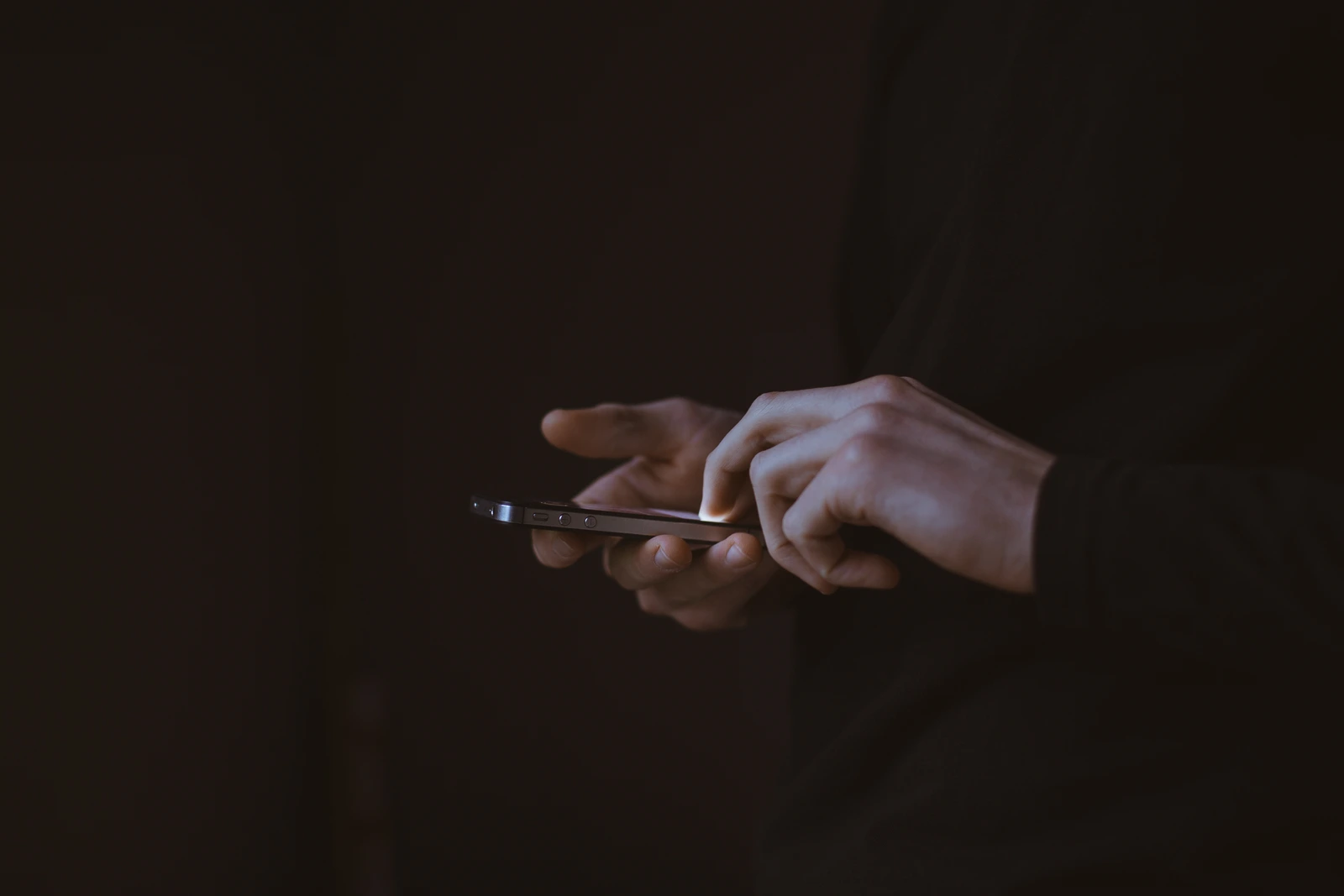
The message arrives looking routine. A parcel could not be delivered, a bank account needs verifying, a prize is waiting, or a job pays well for an hour of easy work a day. It carries a link or a number to call, and a reason to act right now. Most Filipinos with a mobile phone have received some version of it, and the pattern behind these messages is consistent enough to be learned.
The technical term is phishing, a play on fishing: the sender casts a message widely and waits for someone to bite. When it comes by text it is often called smishing, and by voice call, vishing. The channel changes, but the aim is the same. The scammer wants something only the account owner should have: a password, a one-time PIN, card details, or money sent willingly under false pretenses.
How the trick works
A phishing message usually does three things. It borrows a name people trust, such as a bank, an e-wallet, a courier or a government agency. It creates pressure, with a deadline, a threat of suspension or a reward that will expire. And it offers a shortcut, usually a link, that leads to a page built to look like the real thing. Whatever is typed into that page goes straight to the scammer.
The one-time PIN, or OTP, deserves special attention. Banks and e-wallets send it to confirm that the person making a transaction holds the registered phone. A scammer who already has a password still needs that code, which is why so many scripts end with a caller asking the victim to read it out. No legitimate bank or e-wallet staff member needs a customer's OTP. The messages that deliver these codes usually say so.
No legitimate bank or e-wallet staff member needs a customer's OTP.
Signs worth a second look
No single clue is proof, but several together should slow anyone down.
- A link in a message that was not expected, especially a shortened one or one whose address is slightly off from the real company name.
- Urgent wording: the account will be closed today, the parcel will be returned, the offer ends within the hour.
- A request for a password, PIN, OTP or card security number, in any form.
- An offer that is too generous for the effort involved, such as high pay for simple online tasks.
- A sender who moves the conversation to a personal number or a private chat app.
Registration of SIM cards is now required by law in the Philippines, which was meant to make senders easier to trace. It has not ended scam messages. Scammers have used numbers registered through fraud, internet-based messaging, and devices that imitate cell towers to push texts to nearby phones under a borrowed sender name. A message that lands in the same thread as genuine bank alerts is not automatically genuine.
What to do instead
The safest habit is to never use the link in the message. Open the bank or e-wallet app directly, or type the official website address by hand, and check whether the notice appears there. If a caller claims to be from a company, hang up and call the hotline printed on the card or the official site. A real problem with an account will still be there a few minutes later.
If details have already been entered on a suspicious page, speed matters. Change the password, call the bank or e-wallet through its official channel to block the account or card, and keep screenshots of the messages. Telecommunications companies accept reports of scam numbers, and the cybercrime units of the police and the National Bureau of Investigation take complaints as well.
A household habit
It also helps to talk about these messages at home. Older relatives who are new to e-wallets and younger ones looking for online work are frequent targets, and a family that compares notes on the latest tricks is harder to fool. Scams succeed less through clever technology than through hurry. Slowing down is the one defense that works against all of them.