A vendor at a weekend market props up a printed square of black and white dots. A customer opens a banking app or an e-wallet, scans it, types an amount and shows the confirmation screen. No cash changes hands, and the two may not even use the same app. That last detail is easy to overlook, and it is the part that took years of work to make possible.
One code, many apps
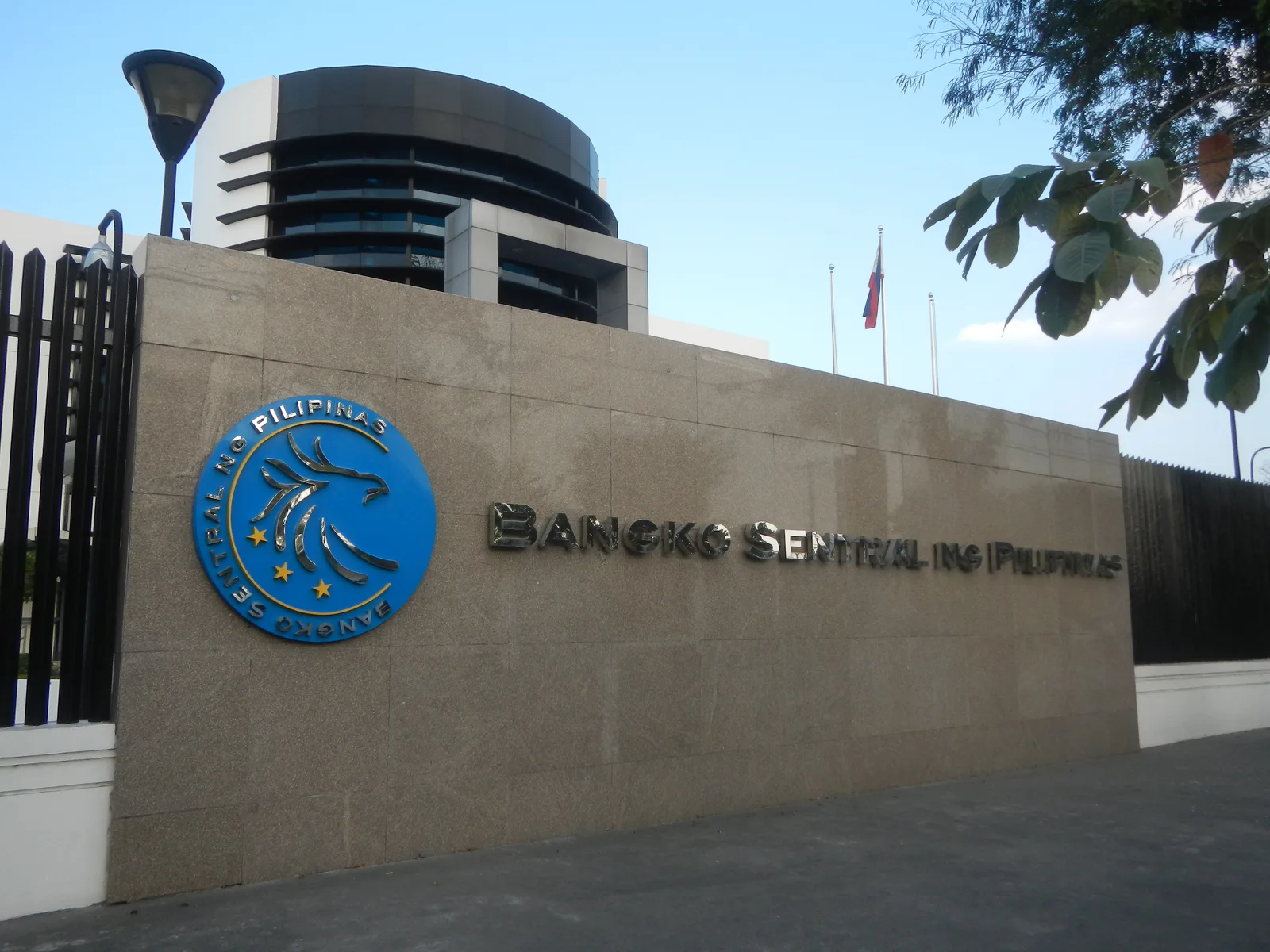
Early on, each e-wallet and bank had its own QR code, readable only by its own app. A store that wanted to accept several had to display several. QR Ph is the national standard, adopted under the Bangko Sentral ng Pilipinas, that replaced that arrangement. A QR Ph code can be read by any participating bank or e-wallet app, so a merchant needs only one, and a customer can pay from whichever account they prefer. Some codes are printed once and reused, with the customer typing in the amount. Others are generated for a single sale, with the amount already filled in.
The code itself holds no money. It is simply a way of passing the recipient's account details to the payer's app without typing, which removes the most common source of error: a wrong digit in an account number. The actual movement of funds happens on the systems behind it.
The code itself holds no money.
The rails underneath
Two shared services carry most transfers between different institutions. Both grew out of a central bank program to move everyday payments from cash and checks to electronic channels.
- InstaPay sends money almost immediately, at any hour and on any day. It is meant for smaller amounts, with a ceiling on each transaction, and is what most QR payments and wallet-to-bank transfers use.
- PESONet handles larger sums in batches rather than one at a time. Funds reach the recipient after the next settlement run instead of within seconds, which suits payroll, supplier payments and other transfers that are not urgent.
A transfer between two accounts in the same bank or the same e-wallet does not need either service, which is why it is often free and instant. Fees for sending to another institution are set by each bank or e-wallet, not by the system, so the cost of the same transfer can differ depending on where it starts. Apps are expected to show the fee before the sender confirms.
E-wallets are not bank accounts
Money kept in an e-wallet is electronic money, issued by companies that the central bank supervises. It is convenient for paying and receiving, but it is not a bank deposit. It does not earn interest in the wallet itself, and it is not covered by deposit insurance the way savings in a bank are. Wallets are opened with proof of identity, and accounts that have been more fully verified are allowed higher limits. Many wallets now link to partner banks for savings features, and those are separate accounts with their own terms.
Paying safely
The same speed that makes digital payments useful makes mistakes hard to undo. A transfer sent to the wrong account cannot simply be recalled; the sender has to ask the bank or e-wallet to coordinate with the receiving institution, and recovery is not guaranteed.
- Check the recipient name that appears after scanning or typing, before confirming the amount.
- Scan codes only at the merchant's counter or from a source that can be verified, since a sticker can be pasted over a genuine code.
- Never share a one-time PIN or app password with anyone claiming to help complete a payment.
- Keep the confirmation screen or reference number until the goods or the receipt are in hand.
For sellers, accepting digital payments leaves a record that cash does not, which can later help with bookkeeping or a loan application. For buyers, it removes the hunt for exact change. Cash is not disappearing from Philippine markets and sari-sari stores, but the option to pay by scan now reaches further than card terminals ever did. It works because institutions that compete for customers agreed to share the plumbing.