Everyone knows the walk to the window, the phone held a little higher, the one corner of the house where messages finally send. Mobile signal can seem moody, strong at the gate and gone in the kitchen. The behavior has ordinary physical causes, and understanding them explains both the daily annoyances and the long-running debate over how to improve coverage in an archipelago.
A conversation by radio
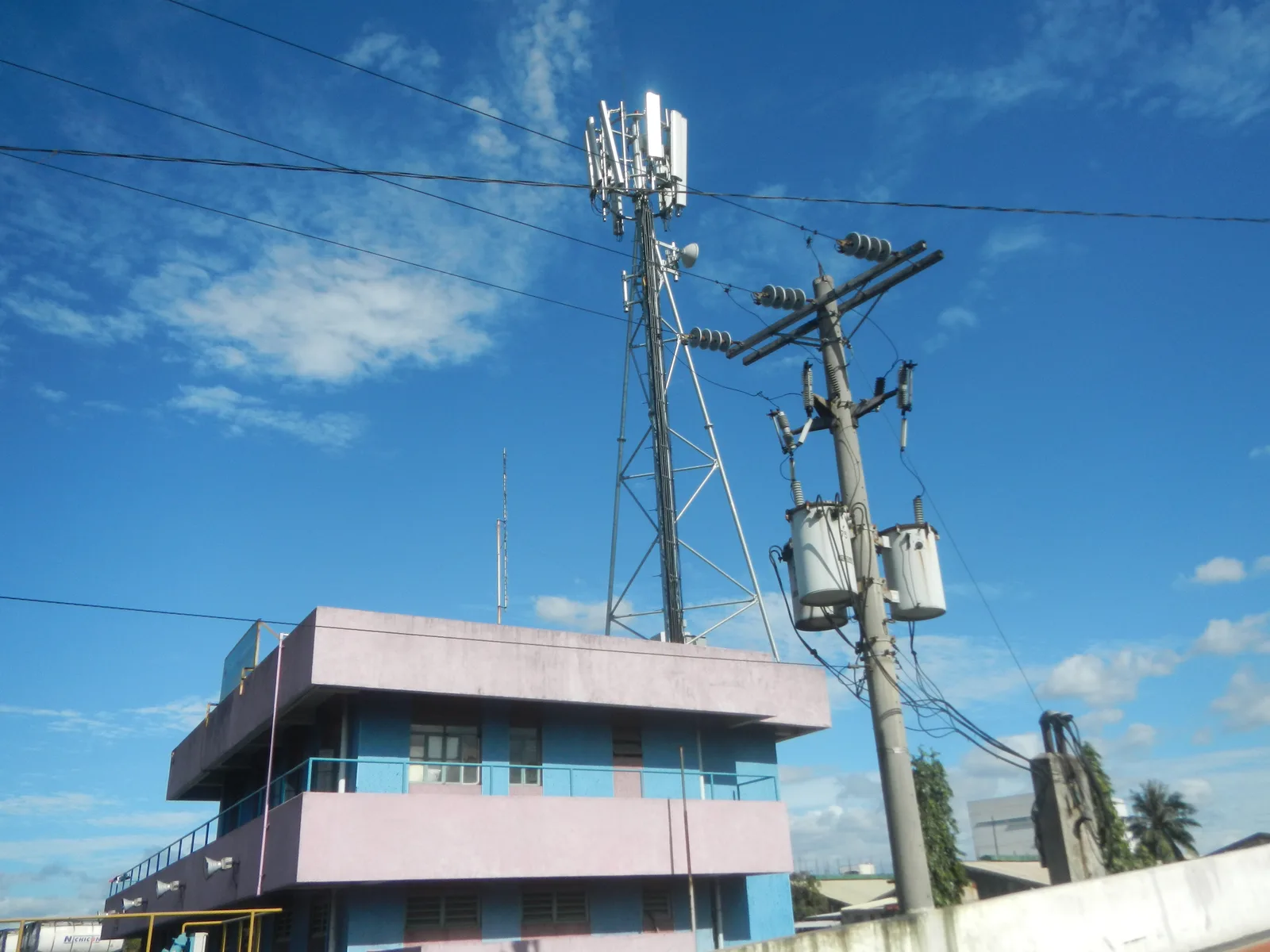
A mobile phone is a two-way radio. It talks to the nearest cell site, a set of antennas mounted on a tower, a rooftop or a pole. Each site covers an area called a cell, and as a person moves, the network hands the connection from one cell to the next. From the site, traffic travels onward through what engineers call backhaul, usually a fiber line or a microwave link, to the operator's core network and the wider internet.
Every link in that chain has to work. A phone can show full signal bars and still load pages slowly. The bars describe only the strength of the radio signal between the phone and the site. They say nothing about how many other people are sharing that site, or whether the line behind it has room to spare.
A phone can show full signal bars and still load pages slowly.
Why coverage has holes
Radio signals weaken with distance and are blocked or absorbed by what stands in the way. Hills, thick concrete walls, metal roofs and even dense trees all take a toll, which is why reception often improves near a window or on an upper floor. In cities, tall buildings create shadows; in the provinces, mountains and long distances between towns do the same.
The frequency used matters too. Operators hold licenses for different bands of radio spectrum. Lower frequencies travel farther and pass through walls more easily, so they are used to cover wide areas and reach indoors. Higher frequencies carry much more data but over shorter distances, so they suit busy districts where many sites can be built close together. A phone that does not support a band used in an area cannot benefit from it, which is one reason two phones on the same network can behave differently in the same room.
Congestion: a shared road
Capacity is shared. Every site has a limited amount of spectrum and backhaul, divided among whoever is connected at that moment. In the evening, when a whole neighbourhood is streaming and scrolling, each user gets a smaller slice. The same thing happens at a concert, a fiesta or a terminal during a holiday rush. The signal is present, but the road is full.
Adding capacity usually means adding sites, upgrading equipment or bringing fiber to towers that relied on weaker links. In the Philippines, building a tower has long involved permits from several offices as well as agreements with landowners and, at times, objections from residents. The government has moved to simplify permits and to encourage shared towers, where an independent company builds a structure that several operators rent space on instead of each building its own.
What a user can do
No setting on a phone can replace a missing tower, but a few habits help.
- Check which network has the strongest signal at home and at work before choosing a plan, by asking neighbours or testing a prepaid SIM.
- Use Wi-Fi calling, where the phone and the network support it, in buildings with weak reception.
- Switch airplane mode on and off to make the phone reconnect to the nearest site after travelling.
- Keep the phone's software updated, since updates can improve how it handles network bands.
- Report persistent dead spots to the operator. Complaints help show where coverage is needed.
No network covers every sitio and stairwell, and geography guarantees that the Philippines will always be harder to cover than a compact country on one landmass. Coverage does improve, site by site. Knowing what the bars can and cannot say makes it easier to tell a weak signal from a crowded one, and to ask the right question when service falls short.