After a typhoon, the same announcement tends to follow the weather bulletins: prices of basic goods in the affected areas are frozen. In calmer weeks, shoppers hear instead that the suggested retail price of sardines or instant noodles has been adjusted. Both phrases involve the government and the price of everyday goods, but they are different tools with different force. Telling them apart is useful for anyone who has ever wondered whether a price on a shelf is allowed.
Two lists of goods
The Price Act sorts everyday products into two groups. Basic necessities are goods that households cannot easily go without, such as rice, bread, fresh and canned fish, fresh meat and vegetables, milk, coffee, cooking oil, salt, laundry soap, candles, essential medicines and cooking fuel. Prime commodities are a second tier that includes items like flour, canned meat, vinegar, soy sauce, toilet soap, school supplies and basic construction materials.
Responsibility is divided among agencies. The Department of Agriculture watches farm and fishery products, the Department of Health covers medicines, the Department of Energy covers household cooking fuel, and the Department of Trade and Industry handles most manufactured goods found on grocery shelves.
What an SRP is, and is not
A suggested retail price, or SRP, is exactly what the name says. Agencies publish it as a guide for sellers and buyers, usually for specific brands and pack sizes, after reviewing the costs that manufacturers report. It is not a legal maximum. A store that sells above the SRP has not automatically broken the law, though a price far out of line can draw an inspection and a demand for an explanation. The agencies publish their current lists, so a shopper can check a shelf price against them.
When prices are frozen
A price freeze is stronger and narrower. When an area is declared under a state of calamity, the prices of basic necessities there are automatically held at their prevailing levels for a limited period set by law. No separate order is needed for the freeze to take effect. It applies only to basic necessities, only in the declared area, and it lapses when the period ends or it is lifted earlier.
The law also allows the President to impose a price ceiling on particular goods under certain conditions, such as widespread shortages or manipulation. That power is used sparingly, because holding a price below the cost of supply for long can empty the shelves it was meant to protect.
What is always illegal
Some practices are prohibited whether or not a calamity has been declared.
- Hoarding: keeping stocks off the market beyond normal levels to create a shortage.
- Profiteering: selling basic goods at a price grossly above their true worth.
- Cartels: sellers agreeing among themselves to fix prices or limit supply.
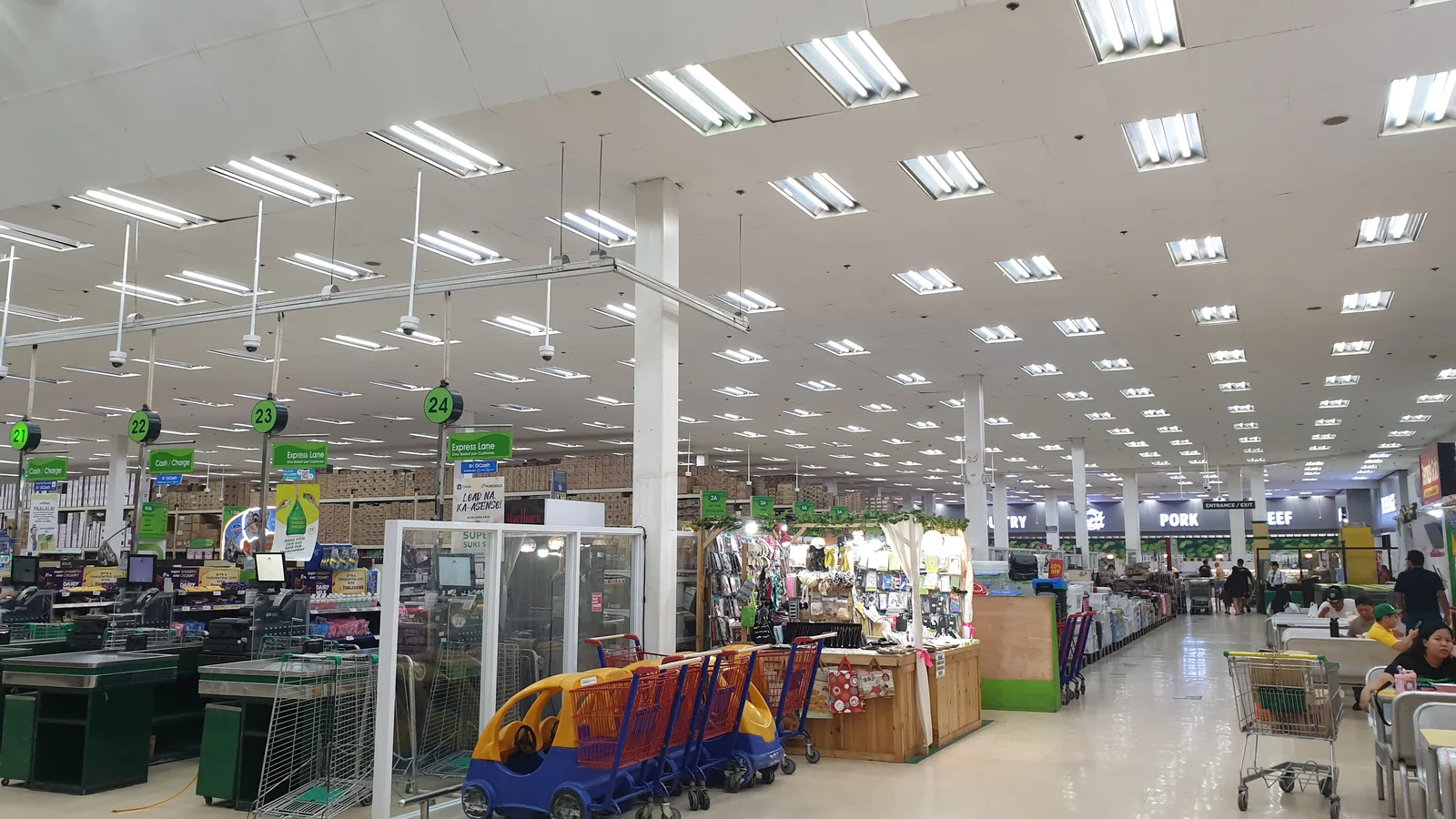
- Missing or misleading price tags: consumer law requires retail goods to carry a price tag, and a seller may not charge more than the price displayed.
What a shopper can do
Complaints work best when they are specific. Note the store, the date, the product, the brand and size, and the price charged, and keep the receipt or take a photo of the shelf tag. Reports can be made to the nearest office of the Department of Trade and Industry for manufactured goods, to the Department of Agriculture for market produce, or to the local price coordinating council in the city or municipality.
A suggested retail price is a guide, and a price freeze is an order.
None of this makes groceries cheaper in ordinary times. Prices still follow the cost of raw materials, fuel, transport and the exchange rate. What the rules offer is a floor of fair dealing: clear tags, no gouging when disaster strikes, and somewhere to turn when a price looks wrong. A suggested retail price is a guide, and a price freeze is an order. Knowing which one applies is the first step in knowing whether to complain.