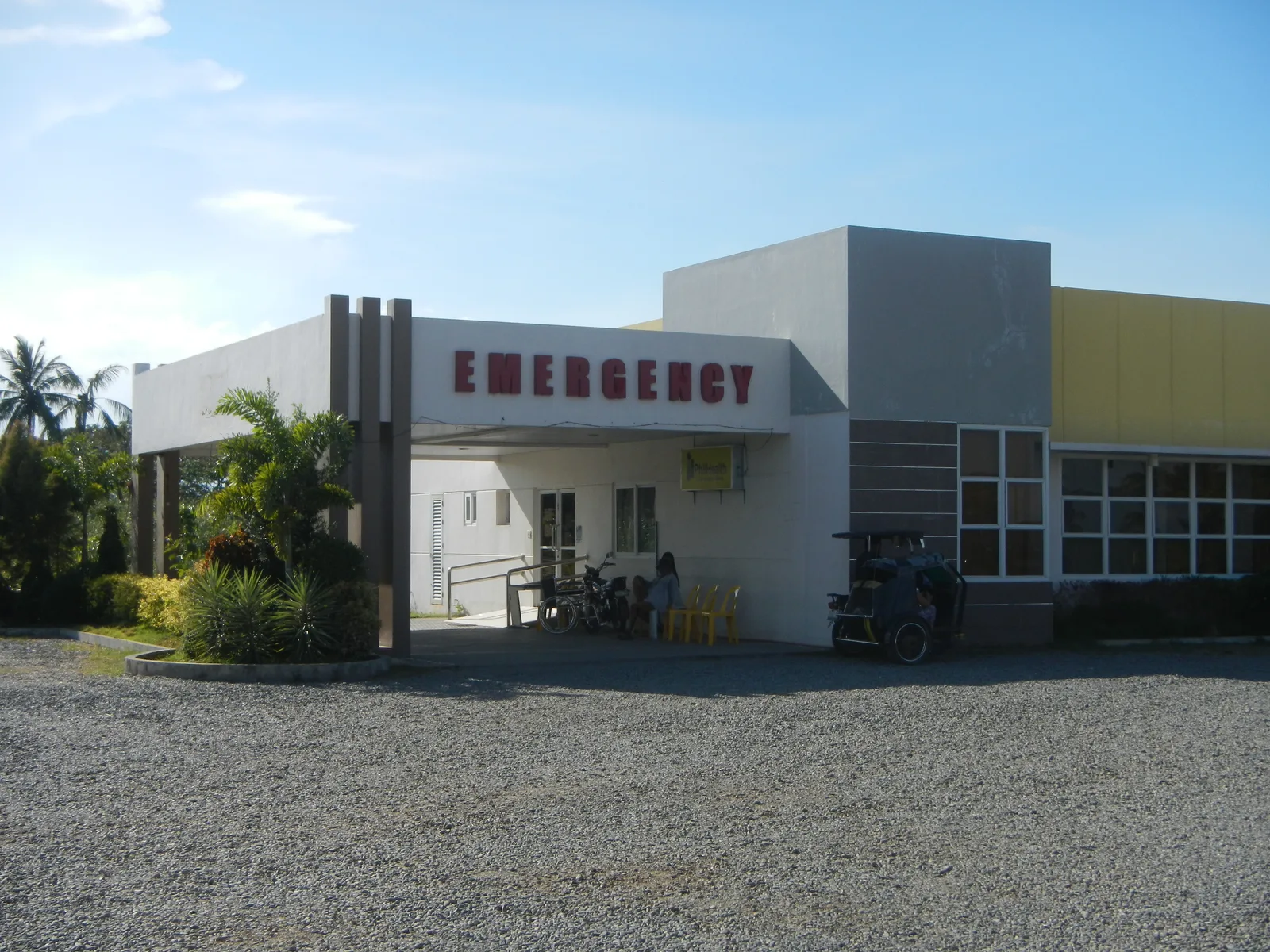
A crowded emergency room can look unfair from a plastic chair. Someone who arrived an hour ago is still waiting, while a patient wheeled in a minute ago disappears behind the curtain at once. The order is not random, and it is not favoritism. Emergency rooms are organized around a process called triage, and understanding it makes a difficult night easier to get through.
Sorting by urgency
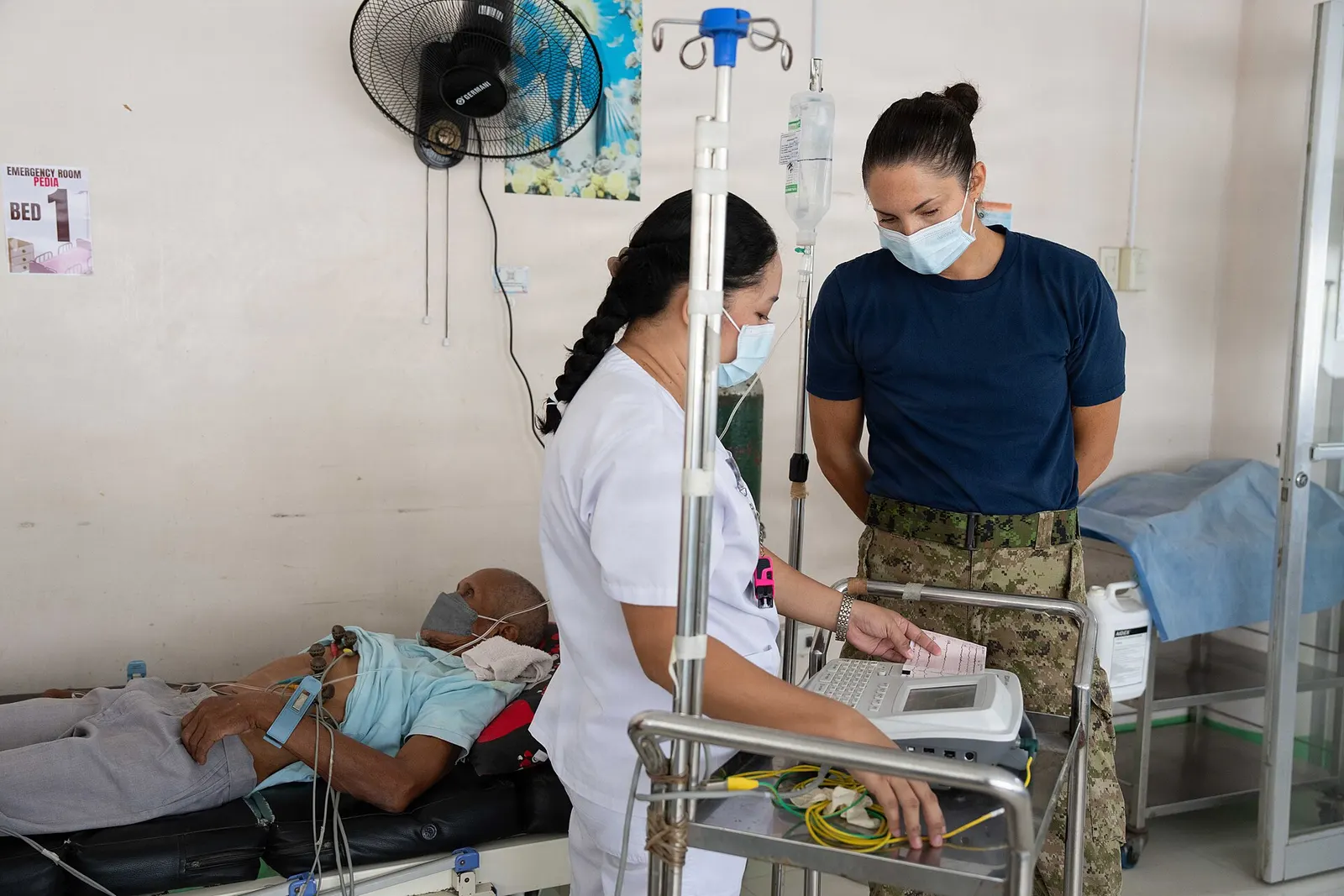
Triage comes from a French word meaning to sort. Soon after a patient arrives, a nurse or doctor makes a quick assessment: the main complaint, how it began, and vital signs such as pulse, blood pressure, breathing and temperature. The aim is not to reach a diagnosis. The question at triage is simpler: how long can this person safely wait?
Hospitals use slightly different scales, but most sort patients into a few levels. Those whose lives are in immediate danger, such as a person who is not breathing, is bleeding heavily or shows signs of a stroke or heart attack, are seen at once. Urgent cases, serious but stable, come next. Conditions that are uncomfortable but not dangerous wait longest, and on a busy night that wait can stretch for hours. Arriving by ambulance does not move a patient up the list. The assessment does.
The question at triage is simpler: how long can this person safely wait?
Triage is not a one-time verdict. Staff are meant to recheck people in the waiting area, and a patient whose condition changes should say so. Telling the triage desk that the pain has worsened, that breathing is harder or that a child has become drowsy is not jumping the queue. It is information the system depends on.
Why the wait is long
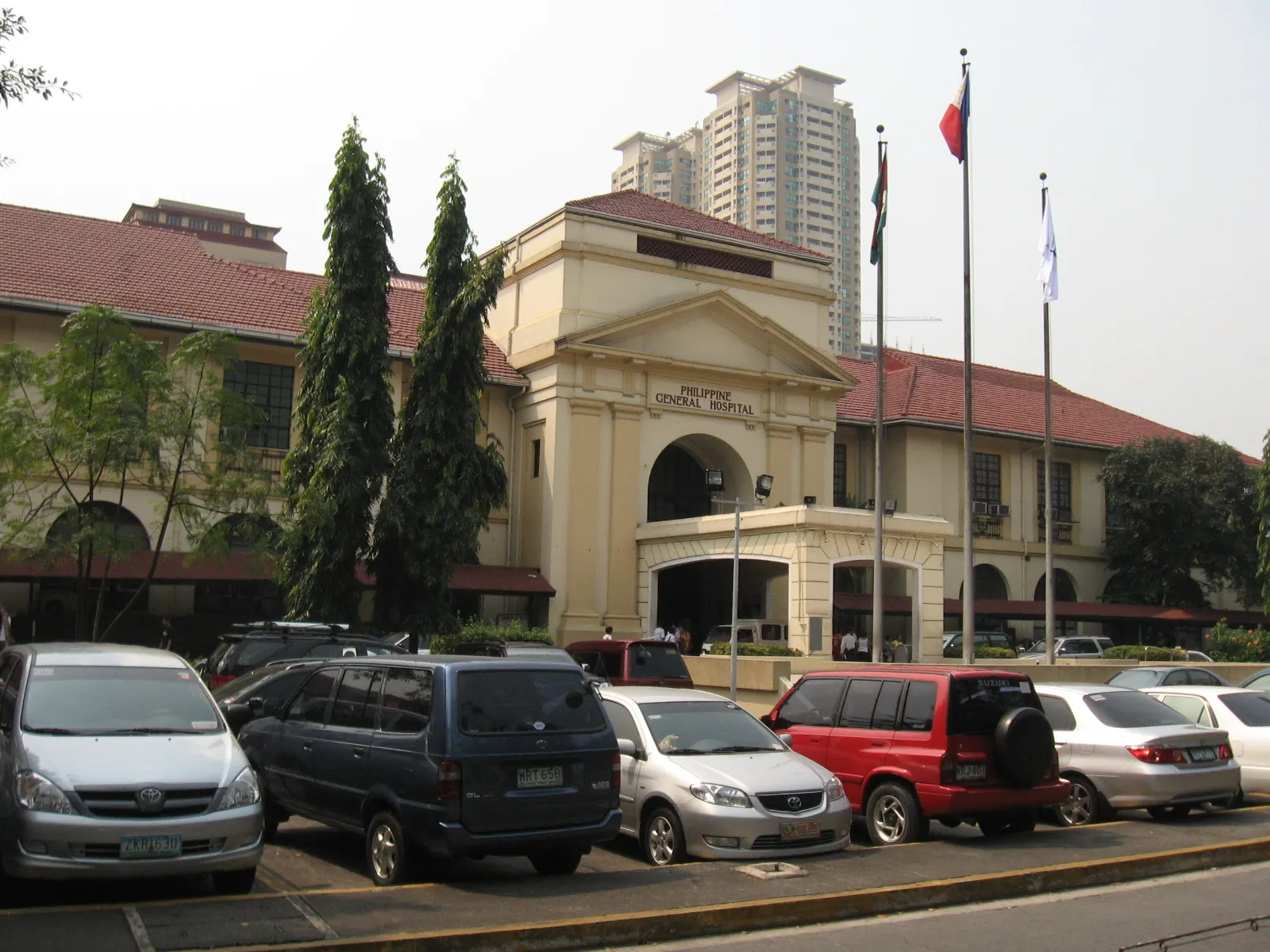
Emergency rooms in large public hospitals often serve more people than they were built for. They receive referrals from smaller facilities, patients who have no regular doctor, and people who come at night because clinics are closed. Beds inside the hospital may be full, so admitted patients stay in the emergency room while waiting for a ward, leaving less space for new arrivals. Laboratory tests and X-rays have queues of their own, and results must come back before a doctor can decide what happens next. The crowd in the hallway is often a sign of pressure elsewhere in the health system.
What the law says about deposits
Philippine law prohibits hospitals and clinics from demanding a deposit or advance payment before giving emergency care. In an emergency or serious case, a facility must provide the treatment needed to stabilize the patient, whatever the family's ability to pay at that moment. If the hospital lacks the capacity for what the patient needs, it may arrange a transfer, but only after giving the necessary initial care and coordinating with a facility that agrees to receive the patient.
Billing questions come later. PhilHealth benefits, medical social workers in government hospitals and assistance desks can all reduce what a family finally pays, and it is worth asking for the social service office once the patient is stable.
Is it an emergency?
When in doubt, it is safer to go. Some signs should never wait for morning.
- Chest pain or pressure, or sudden difficulty breathing.
- Sudden weakness on one side of the body, a drooping face or slurred speech.
- Bleeding that does not stop, or a serious injury to the head.
- Loss of consciousness, seizures or sudden confusion.
- A severe allergic reaction, with swelling of the face or throat.
- In infants and young children: difficulty breathing, unusual drowsiness or refusal to feed.
For problems that are not urgent, such as a mild fever, a lingering cough or a prescription refill, a health center, outpatient department or clinic will usually be faster and cheaper, and it leaves the emergency room free for those who cannot wait. Bringing a list of current medicines, any recent test results and a valid ID saves time in either place. The emergency room is built to treat the sickest first. Knowing that does not shorten the wait, but it explains it.